
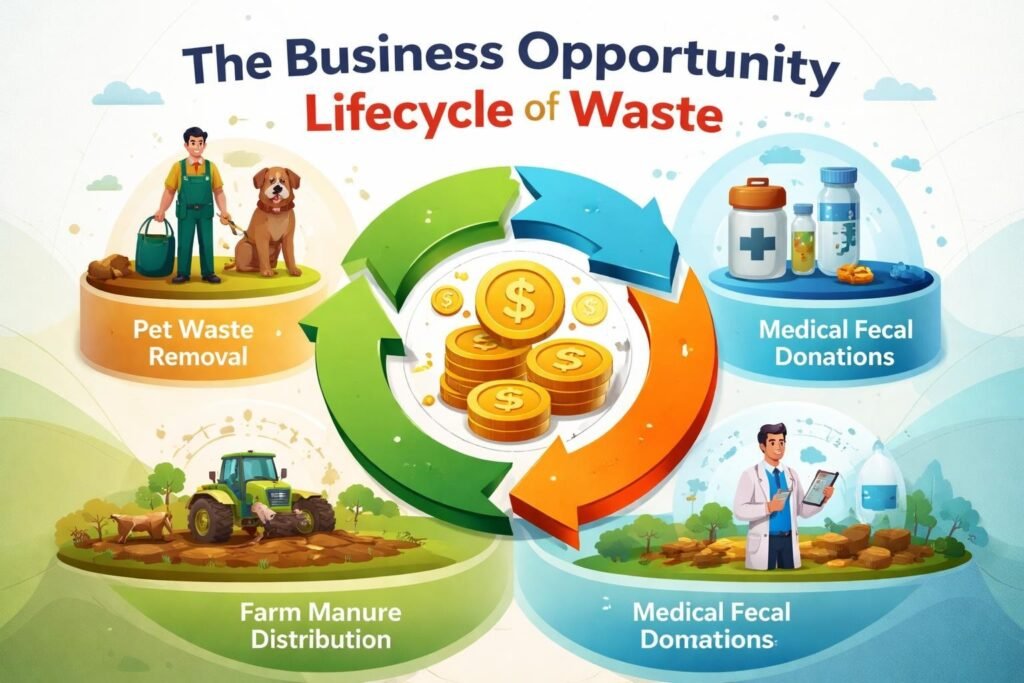
The concept of turning waste into wealth has never been more relevant than it is today. While it might sound unconventional, there are legitimate and profitable ways to sell poop in 2026. From pet waste removal services to agricultural manure sales and even medical stool donations, this unusual side hustle represents a growing market opportunity. The waste management industry continues to expand, and entrepreneurs who can stomach this niche are finding surprisingly lucrative income streams. Whether you're looking for a physical service business or a more specialized opportunity, the ability to sell poop offers multiple pathways to generate extra income.
Understanding the Market for Selling Waste
The waste-to-profit industry encompasses several distinct markets, each with unique requirements and earning potential. Pet owners spend billions annually on pet care services, including waste removal. Meanwhile, organic farming relies heavily on animal manure as fertilizer, creating consistent demand for quality livestock waste.
The Pet Waste Removal Industry
Pet waste removal has become a thriving service business across suburban America. Dog owners, particularly those with multiple pets or busy schedules, regularly pay for professional waste removal services. This business model requires minimal startup costs and can generate $500 to $2,000 monthly with consistent clients.
Key advantages of pet waste removal:
- Low barrier to entry with minimal equipment needs
- Recurring revenue through weekly or bi-weekly service contracts
- Flexible scheduling that works around other commitments
- Scalable business model that can expand across neighborhoods
Service providers typically charge between $10 and $20 per visit for standard residential properties. Commercial clients like dog parks, apartment complexes, and veterinary clinics often pay premium rates for regular maintenance contracts.
Agricultural Manure Sales
Farmers and ranchers have long understood the value of livestock waste. Animal manure serves as nutrient-rich fertilizer that improves soil health and reduces dependence on chemical alternatives. The EPA recognizes multiple beneficial uses of animal manure, including fertilizer application and soil amendment.
Those with access to livestock operations can sell poop directly to organic farmers, gardeners, and nurseries. Aged horse manure, chicken droppings, and cow manure each offer different nutrient profiles that appeal to specific agricultural needs.
| Manure Type | Nitrogen Content | Best Applications | Average Price per Ton |
|---|---|---|---|
| Chicken | High | Vegetable gardens, compost | $25-$40 |
| Horse | Medium | Flower beds, general use | $15-$30 |
| Cow | Medium | Large-scale farming, pastures | $10-$25 |
| Rabbit | High | Potted plants, seedlings | $30-$50 |
Building a Pet Waste Removal Business
Starting a pet waste removal service represents one of the most accessible ways to sell poop as a side hustle. This business model works particularly well for those exploring beginner-friendly side hustles that don't require specialized skills or significant capital investment.
Essential Equipment and Setup
The startup costs for pet waste removal remain remarkably low compared to most service businesses. Basic equipment includes gloves, waste bags, sanitizing supplies, and transportation. Many successful operators begin with equipment costing less than $200.
Required supplies for getting started:
- Heavy-duty gloves and protective gear
- Commercial-grade waste bags and containers
- Rakes, scoops, and collection tools
- Disinfectant spray and hand sanitizer
- Marketing materials and business cards
- Reliable vehicle for transportation
Professional operators often invest in branded uniforms and vehicle signage to build credibility. While not essential initially, these elements help differentiate your service from competitors and justify premium pricing.
Pricing and Client Acquisition
Strategic pricing determines profitability in the waste removal business. Research competitors in your area to establish baseline rates, then position your service based on reliability, frequency, and additional offerings. Most successful operators bundle services into monthly packages rather than charging per visit.
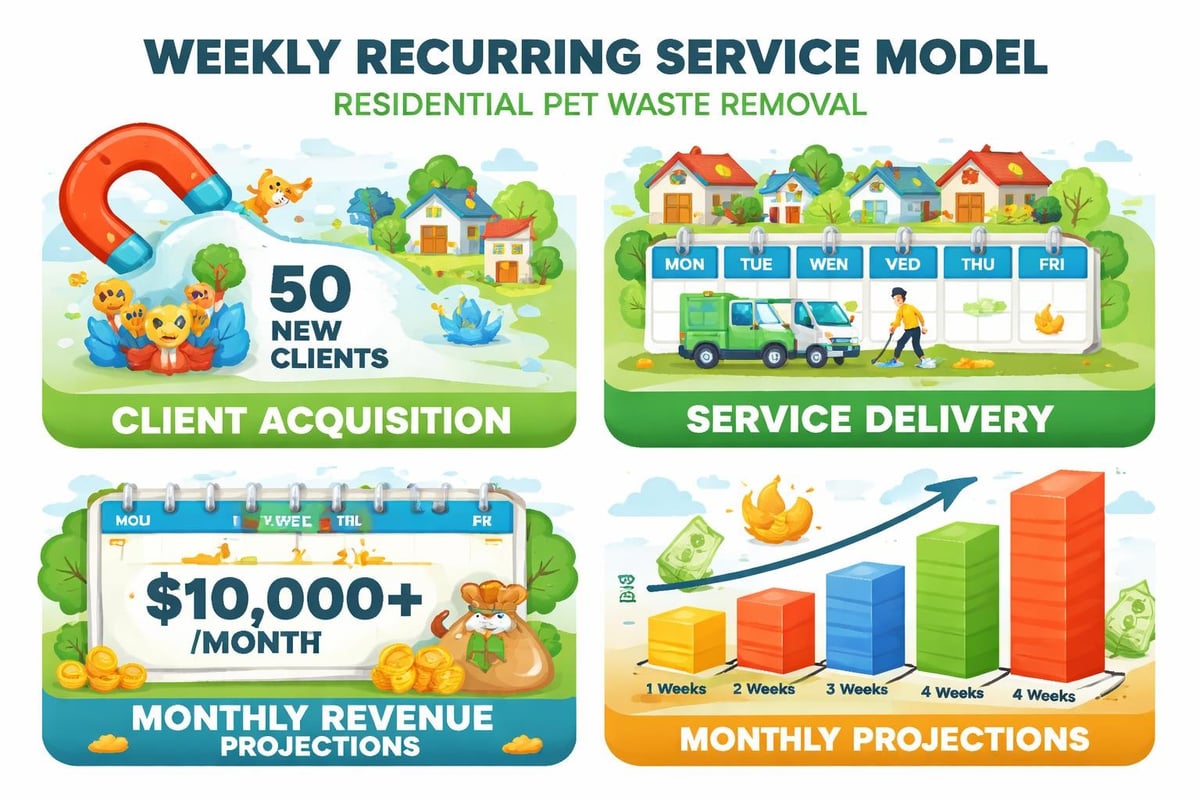
Residential clients typically prefer weekly service, while commercial properties may require daily or multiple weekly visits. Building a client base of 20 to 30 regular customers can generate $1,000 to $2,500 monthly revenue working part-time hours.
Marketing strategies that work effectively include:
- Door-to-door flyers in pet-friendly neighborhoods
- Local Facebook groups and community forums
- Partnerships with veterinarians and pet stores
- Referral incentives for existing customers
- Professional website with online booking capabilities
Medical Stool Donation Opportunities
Perhaps the most surprising way to sell poop involves medical stool donation programs. The FDA has approved treatments made from human feces to treat serious digestive conditions, creating demand for healthy stool donors.
Stool Banks and Compensation
Specialized stool banks recruit healthy donors to provide samples for fecal microbiota transplantation (FMT) therapies. OpenBiome and similar organizations screen potential donors extensively before acceptance. Research into future medicine using human poop continues to expand, suggesting growing opportunities in this field.
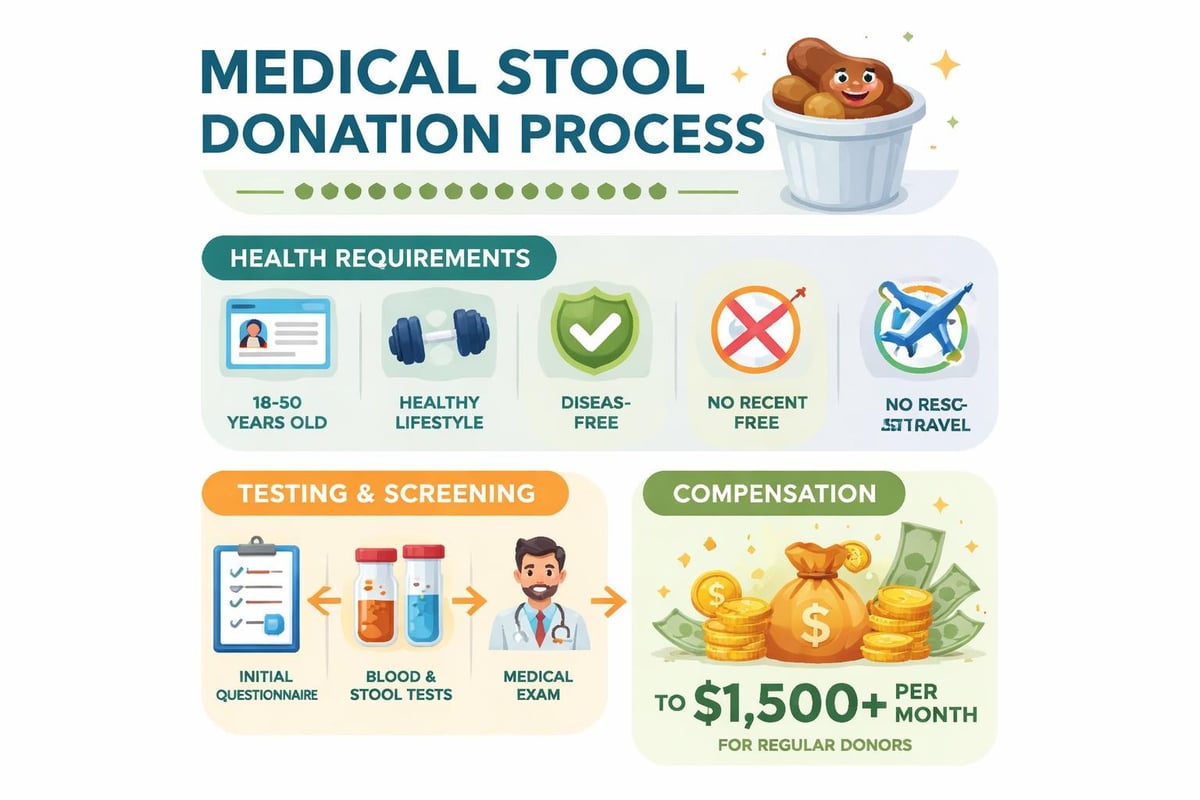
Qualified donors can earn $40 to $50 per donation, with some programs allowing donations up to five times weekly. This translates to potential monthly earnings of $800 to $1,000 for those who meet strict health criteria and maintain consistent donation schedules.
Donor qualification requirements typically include:
- Age between 18 and 50 years
- BMI within healthy range
- No recent antibiotic use
- Comprehensive health screening and blood tests
- Regular lifestyle and dietary habits
- No chronic health conditions or infections
The screening process takes several weeks and involves detailed questionnaires, physical examinations, and laboratory testing. Acceptance rates remain low, typically under 5% of applicants, making this opportunity highly selective.
Livestock Manure Collection and Distribution
For those with access to farms or rural areas, collecting and distributing livestock manure offers another avenue to sell poop profitably. Montana State University Extension highlights the benefits of manure as fertilizer, emphasizing its value for improving soil structure and nutrient content.
Sourcing and Processing Manure
Building relationships with local farms provides the raw material for this business model. Many livestock operations gladly allow waste removal at no cost, viewing it as a disposal service. The key lies in properly aging and composting the manure to make it garden-ready.
Aged manure sells at premium prices compared to fresh waste. The composting process typically requires 6 to 12 months, during which time the material breaks down into nutrient-rich fertilizer. Proper composting eliminates pathogens, reduces odor, and creates a product that appeals to organic gardeners and farmers.
Distribution Channels and Customers
Multiple sales channels exist for quality manure products. Garden centers, landscaping companies, organic farms, and individual gardeners all represent potential customers. Packaging options range from bulk delivery by the truckload to bagged products for retail sale.
| Distribution Method | Target Customer | Price Point | Volume Potential |
|---|---|---|---|
| Bulk delivery (by ton) | Farms, large gardens | $20-$40/ton | High |
| Bagged retail (40 lbs) | Home gardeners | $4-$8/bag | Medium |
| Wholesale to nurseries | Garden centers | $15-$25/ton | High |
| Direct farmer sales | Organic operations | $25-$35/ton | Medium |
This approach works particularly well as a passive income opportunity once systems are established. Composting happens naturally over time, and retail partnerships can generate ongoing sales with minimal active involvement.
Specialty Waste Products and Niche Markets
Beyond standard pet waste removal and manure sales, specialty markets exist for specific types of waste. Worm castings, bat guano, and exotic animal manure command premium prices in gardening and agricultural circles. These niche products often sell for significantly higher rates than common livestock waste.
Vermicomposting and Worm Castings
Worm castings represent the waste product of composting worms, creating one of the most valuable organic fertilizers available. Red wiggler worms process organic matter into nutrient-dense castings that gardeners prize for their plant growth properties. A small-scale vermicomposting operation can produce sellable castings within 3 to 4 months.
Worm castings typically sell for $1 to $2 per pound retail, or $400 to $800 per ton wholesale. Starting a worm farm requires minimal space, making it suitable for suburban or even urban environments. Initial investment covers worm stock, bedding materials, and bins, usually totaling $200 to $500.
Steps to start a vermicomposting side business:
- Purchase red wiggler worms from reputable suppliers
- Set up composting bins with proper bedding
- Feed worms regularly with kitchen scraps and organic matter
- Harvest castings every 3-4 months
- Package for retail or wholesale distribution
- Market to garden centers, farmers markets, and online
Exotic and Premium Manures
Certain animal wastes command exceptional prices due to their unique properties. Bat guano, alpaca manure, and llama droppings sell at premium rates to specialized growers and organic farmers. These products often require connections with exotic animal farms or wildlife management operations.
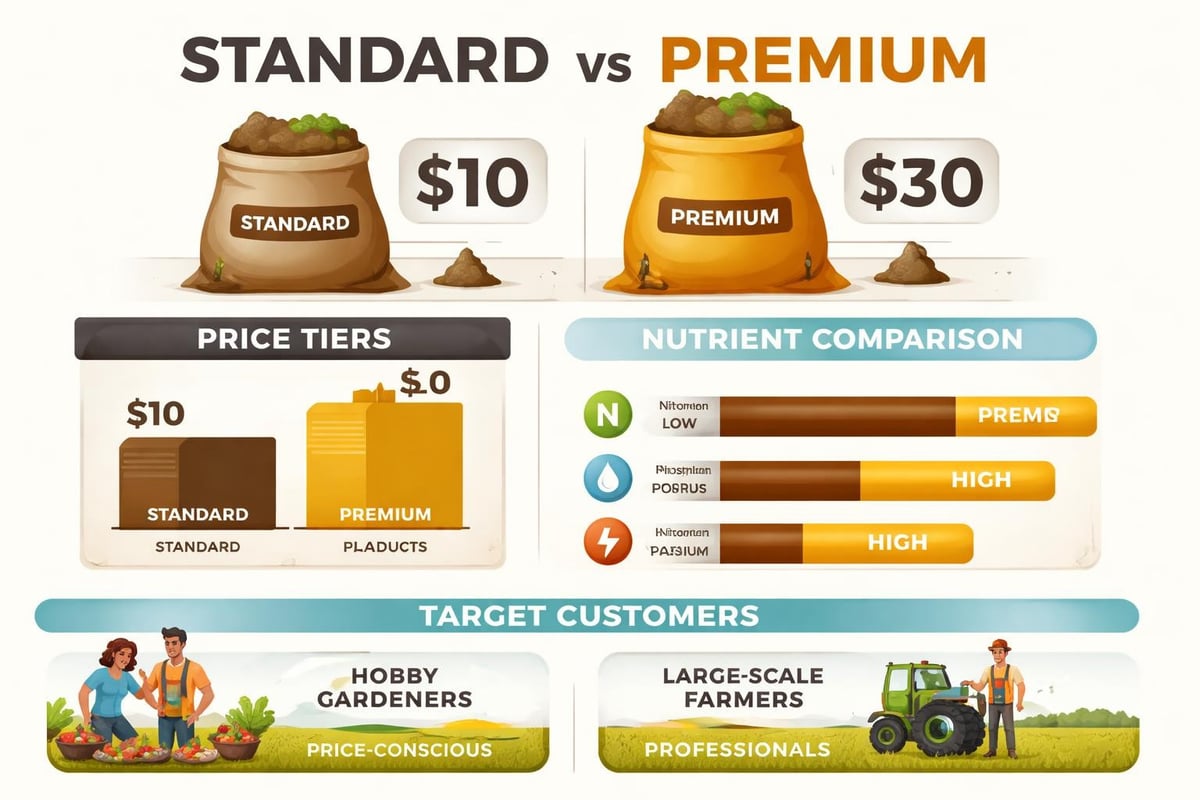
The market for exotic manures remains smaller but less competitive than standard livestock waste. Suppliers who can consistently provide quality specialty products often build loyal customer bases willing to pay premium prices for superior results.
Legal and Regulatory Considerations
Operating any business involving waste requires understanding relevant regulations and compliance requirements. While selling pet waste removal services faces minimal regulatory hurdles, agricultural manure sales may trigger environmental and transportation regulations depending on scale and location.
Business Licensing and Insurance
Standard business licensing applies to waste-related services just like any other commercial activity. Most jurisdictions require general business licenses, and some municipalities mandate specific permits for waste handling operations. Professional liability insurance protects against potential claims related to property damage or service issues.
Pet waste removal services typically operate under general service business regulations. However, commercial composting operations may require environmental permits, particularly if processing large volumes or accepting waste from multiple sources.
Health and Safety Protocols
Proper safety procedures protect both operators and customers when handling waste materials. Universal precautions include wearing protective equipment, maintaining hygiene standards, and properly disposing of waste according to local regulations. These practices also demonstrate professionalism that justifies premium pricing.
Commercial operations should develop written safety protocols covering:
- Personal protective equipment requirements
- Hand washing and sanitization procedures
- Vehicle and equipment cleaning schedules
- Waste disposal and storage methods
- Emergency response procedures
Scaling Your Waste-Based Business
Like any service business, operations that sell poop can scale from solo side hustles to multi-employee companies. Growth strategies depend on the specific business model but generally follow similar patterns of service expansion, geographic coverage, and operational efficiency improvements.
Hiring and Team Building
Pet waste removal services scale efficiently by hiring additional service providers to cover more territory. Employee-based models allow business owners to focus on marketing, customer service, and strategic growth while teams handle daily service delivery. This approach aligns well with principles found in successful freelancing platforms that connect service providers with customers.
Compensation structures typically include hourly wages plus performance bonuses for customer retention and upselling additional services. Well-trained teams can service 15 to 25 properties daily, generating substantial revenue that justifies employee costs while leaving healthy profit margins.
Technology and Automation
Modern service businesses leverage technology to improve efficiency and customer experience. Online booking systems, automated billing, route optimization software, and customer relationship management tools all contribute to smoother operations and higher profitability.
Technology investments that improve operations:
- Scheduling software for route optimization
- Mobile payment processing systems
- Automated invoicing and billing platforms
- Customer management databases
- GPS tracking for service verification
- Marketing automation for client retention
These tools reduce administrative time, minimize errors, and create better customer experiences that drive referrals and retention. Initial software investments typically range from $50 to $200 monthly but generate returns through increased capacity and reduced overhead.
Marketing Strategies for Waste Services
Effective marketing overcomes the initial stigma some customers feel about waste-related services. Professional branding, clear value communication, and strategic positioning help build credibility and justify pricing. The most successful operators focus on convenience, health benefits, and environmental responsibility rather than the waste itself.
Building a Professional Brand
Brand development starts with professional naming, logo design, and messaging that emphasizes service benefits rather than unpleasant aspects. Names like "Poop Patrol," "Yard Guard," or "Pet Waste Pros" communicate the service clearly while maintaining professionalism. Visual branding should appear clean, trustworthy, and environmentally conscious.
Digital presence matters significantly in modern service marketing. A professional website with clear service descriptions, pricing transparency, and easy booking options converts prospects into paying customers. Including customer testimonials and before-and-after photos builds trust and demonstrates service quality.
Content Marketing and SEO
Educational content attracts potential customers searching for solutions to waste management problems. Blog posts about lawn health, pet care, and environmental benefits of proper waste disposal position your business as an expert resource. This approach mirrors strategies used by successful online jobs platforms that build authority through valuable content.
Local SEO optimization ensures your business appears when nearby customers search for waste removal services. Google Business Profile optimization, local directory listings, and location-specific content help capture geographic search traffic. Reviews and ratings significantly impact local search rankings and customer decisions.
Financial Projections and Income Potential
Understanding realistic income expectations helps set appropriate goals and measure business success. The potential to sell poop profitably varies considerably based on business model, location, and effort level. Part-time operations can generate supplemental income, while full-time commitment can produce primary income comparable to traditional employment.
Revenue Models Comparison
Different waste-based businesses generate income through varying revenue models. Recurring service contracts provide predictable monthly income, while product sales create transaction-based revenue. Hybrid models combining services and products often achieve the highest overall profitability.
| Business Model | Startup Cost | Monthly Revenue Potential | Time to Profitability | Scalability |
|---|---|---|---|---|
| Pet waste removal | $200-$500 | $1,000-$3,000 | 1-2 months | High |
| Manure sales | $500-$2,000 | $500-$2,500 | 3-6 months | Medium |
| Stool donation | $0 | $500-$1,000 | Immediate | Low |
| Vermicomposting | $200-$500 | $300-$1,500 | 3-4 months | Medium |
These figures represent realistic ranges for part-time operations. Full-time commitment with proper systems can double or triple these revenue levels. Geographic location significantly impacts pricing power and customer density, with suburban and affluent areas supporting higher rates.
Profit Margins and Expenses
Service-based waste businesses typically enjoy healthy profit margins once established. Pet waste removal operations often achieve 60% to 70% gross profit margins after accounting for supplies, fuel, and labor. Product-based models show lower margins, typically 30% to 50%, due to processing time and material costs.
Common expense categories to budget for:
- Transportation and fuel costs
- Protective equipment and supplies
- Marketing and advertising
- Insurance and licensing fees
- Equipment maintenance and replacement
- Payment processing fees
Careful expense management and operational efficiency directly impact take-home income. Tracking metrics like cost per customer acquisition, service time per property, and customer lifetime value helps optimize profitability and identify growth opportunities.
Environmental and Social Impact
Beyond financial benefits, waste-based businesses contribute positively to environmental and community health. Proper waste management reduces pollution, prevents disease transmission, and supports sustainable agriculture practices. Historical uses of feces in medicine demonstrate humanity's long recognition of waste's potential value.
Supporting Sustainable Agriculture
Organic farmers increasingly seek natural fertilizer alternatives to synthetic chemicals. Animal manure provides essential nutrients while improving soil structure and water retention. USDA reports indicate manure application on U.S. farmland continues growing as organic farming expands.
Entrepreneurs who sell poop to agricultural markets directly support food production sustainability. This creates meaningful work beyond simple profit generation, appealing to values-driven individuals seeking purposeful income opportunities.
Community Health Benefits
Pet waste removal services protect public health by preventing contamination of water supplies and recreational spaces. Dog waste carries bacteria, parasites, and pathogens that threaten human and animal health. Professional removal prevents these contaminants from entering storm drains, groundwater, and community areas.
Marketing these health and environmental benefits positions waste services as essential community infrastructure rather than luxury conveniences. This messaging resonates particularly well in family-oriented neighborhoods and environmentally conscious communities.
The opportunity to sell poop represents an unconventional yet legitimate path to generating extra income across multiple business models. Whether you choose pet waste removal services, agricultural manure sales, medical donations, or specialty composting, each approach offers unique advantages for motivated entrepreneurs. If you're ready to explore more creative income opportunities and build a sustainable side hustle, Side Hustle Hackers provides the practical guidance, honest reviews, and community support you need to turn unusual ideas into profitable reality.


