

The digital economy has transformed how professionals earn extra income, creating unprecedented opportunities for those with technical skills. A technology side hustle offers flexibility, substantial earning potential, and the ability to work from anywhere while building valuable experience. Whether you’re a full-time employee looking to diversify income streams or someone ready to monetize existing tech knowledge, the landscape in 2026 provides multiple pathways to success. The key lies in identifying which opportunities align with your skills, available time, and income goals while leveraging the right platforms and strategies to maximize results.
Understanding the Technology Side Hustle Landscape
The technology sector continues expanding at remarkable speed, creating constant demand for skilled professionals who can deliver specialized services. This growth translates directly into viable side income opportunities across numerous disciplines.
Market dynamics favor tech-savvy individuals in 2026 more than ever before. Companies increasingly rely on freelance talent for project-based work, reducing overhead while accessing global expertise. This shift benefits side hustlers who can position themselves strategically within this ecosystem.
Current Market Demand
Several factors drive the technology side hustle boom:
Remote work normalization removes geographical barriers
Digital transformation initiatives across all industries
Small business technology needs requiring affordable expertise
Automation and AI integration creating new service categories
Cybersecurity concerns demanding specialized knowledge
The various tech side hustles available today range from traditional programming to emerging fields like AI implementation and blockchain development. Understanding where demand intersects with your capabilities determines optimal positioning.
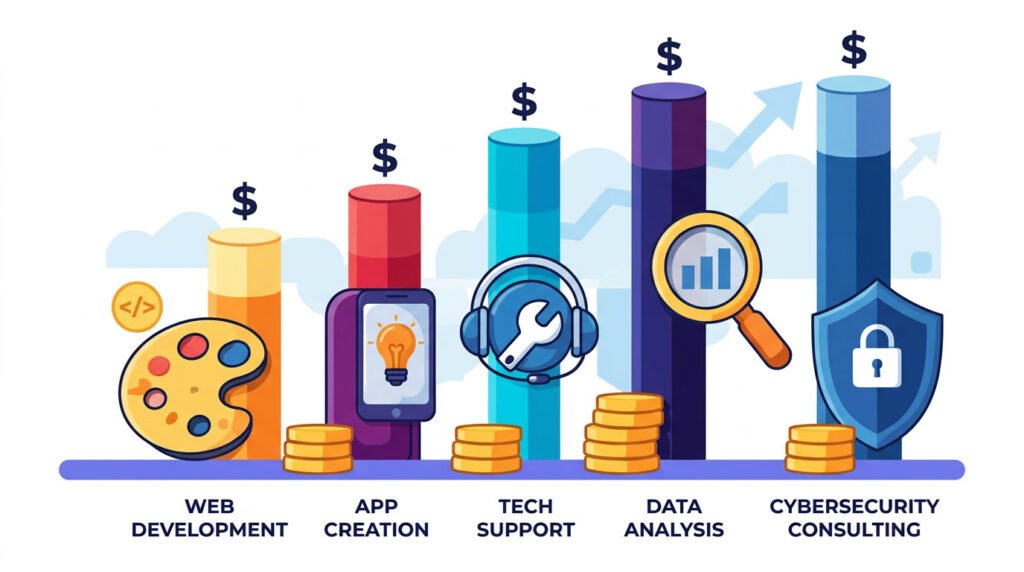
Income Potential Breakdown
Tech Side Hustle | Beginner Rate | Experienced Rate | Time Investment |
|---|---|---|---|
Web Development | $30-50/hour | $75-150/hour | Medium-High |
Mobile App Development | $40-60/hour | $100-200/hour | High |
Tech Support | $20-35/hour | $50-75/hour | Low-Medium |
Data Analysis | $35-55/hour | $80-150/hour | Medium |
Cybersecurity Consulting | $50-75/hour | $150-300/hour | High |
These figures reflect 2026 market rates and vary based on complexity, client type, and your proven track record.
High-Demand Technology Side Hustle Options
Selecting the right technology side hustle requires matching your existing skills with market opportunities. Each pathway offers distinct advantages depending on your background and learning capacity.
Web Development and Design
Web development remains one of the most accessible entry points into technology side work. Businesses continuously need websites built, updated, and maintained, creating consistent demand.
Frontend development focuses on user-facing elements using HTML, CSS, and JavaScript. This specialization suits those with design sensibilities and attention to detail. Backend development involves server-side logic, databases, and application functionality, appealing to systematic thinkers who enjoy problem-solving.
The beauty of web development as a side hustle lies in its scalability. Start with simple landing pages, progress to complex applications, and eventually build recurring revenue through maintenance contracts.
Mobile Application Development
Smartphone ubiquity creates endless opportunities for app developers. Whether building iOS, Android, or cross-platform applications, skilled developers command premium rates.
Consider these specialized niches within mobile development:
Business productivity apps solving specific workflow problems
E-commerce integrations connecting platforms and payment systems
Educational applications for skill development and training
Health and wellness trackers capitalizing on lifestyle trends
Entertainment and gaming for creative developers
Learning frameworks like React Native or Flutter enables cross-platform development, doubling your market reach with single codebases.
Technical Writing and Documentation
Organizations desperately need clear documentation for software, APIs, and technical processes. Technical writers bridge the gap between complex technology and end users.
This technology side hustle suits detail-oriented communicators who understand technical concepts. Projects include user manuals, API documentation, knowledge base articles, and training materials. Unlike coding-intensive work, technical writing offers predictable hours and lower stress levels while still commanding respectable rates.
Cloud Services and DevOps
Cloud computing dominance creates demand for professionals managing AWS, Azure, and Google Cloud infrastructure. DevOps practices emphasizing automation and continuous deployment require specialized expertise many companies lack internally.
Key service offerings include:
Cloud migration planning and execution
Infrastructure automation using tools like Terraform
Container orchestration with Kubernetes
CI/CD pipeline setup and optimization
Cost optimization analysis and implementation
Even part-time cloud consulting generates substantial income, as many popular tech side hustles in this category bill at premium rates.
Building Your Technology Side Hustle Foundation
Success in any technology side hustle requires more than technical competence. Strategic planning, proper positioning, and systematic execution separate sustainable ventures from fleeting attempts.
Skills Assessment and Development
Honest evaluation of your current capabilities forms the foundation. List technical skills, experience level, and areas needing improvement. Identify gaps between your knowledge and market requirements.
Online learning platforms provide cost-effective skill development. Focus on in-demand technologies with clear ROI rather than chasing every new trend. Certifications from recognized providers add credibility, particularly when lacking traditional employment history in specific areas.

Platform Selection Strategy
Multiple platforms connect tech freelancers with clients, each serving different market segments:
Platform | Best For | Fee Structure | Competition Level |
|---|---|---|---|
Upwork | Diverse tech projects | 5-20% sliding | High |
Toptal | Premium developers | Platform varies | Very High |
Fiverr | Quick deliverables | 20% commission | Very High |
Direct networking | Free (organic) | Medium | |
Your Website | Brand building | Payment processor only | Low |
Starting on established platforms builds initial experience and testimonials. Transitioning to direct client relationships through personal websites and networking reduces fees while increasing margins. Many successful side hustlers maintain presence across multiple channels, optimizing for different client types and project scopes.
Pricing Your Services Effectively
Underpricing remains a common mistake among new tech side hustlers. While competitive rates attract initial clients, unsustainable pricing leads to burnout and resentment.
Research how to price your freelance services considering these factors:
Your experience level and proven results
Project complexity and required deliverables
Client budget and business size
Timeline urgency and flexibility
Ongoing maintenance potential
Value-based pricing often outperforms hourly rates for experienced practitioners. When clients focus on outcomes rather than time invested, you capture more value while maintaining flexibility in how work gets completed.
Scaling Your Technology Side Hustle
Growth transforms sporadic gig work into substantial secondary income. Strategic scaling requires systems, boundaries, and long-term thinking beyond project-to-project survival.
Time Management Essentials
Balancing full-time employment with side work demands ruthless prioritization. Most successful tech side hustlers establish clear boundaries around available hours and stick to them consistently.
Productive scheduling approaches include:
Dedicated time blocks for client work (evenings, weekends)
Buffer time between projects for unforeseen issues
No-work periods protecting personal relationships and health
Administrative batching for emails, invoicing, and updates
Learning windows for skill development and staying current
Automation tools handle repetitive tasks like appointment scheduling, contract generation, and payment collection. Time saved on administration creates capacity for higher-value activities.
Client Acquisition Systems
Consistent client flow requires systematic marketing rather than reactive scrambling. Successful technology side hustles employ multiple acquisition channels working simultaneously.
Content marketing establishes expertise through blog posts, tutorials, or YouTube videos addressing common challenges in your niche. This approach generates inbound leads from people already recognizing your value. Networking both online and offline builds relationships leading to referrals and repeat business.
The best freelance websites for beginners provide structured marketplaces where proven track records translate into higher rates and better projects. As reputation grows, premium platforms become accessible, connecting you with established businesses paying professional rates.
Productizing Your Services
Moving beyond pure service delivery toward productized offerings creates scalability. Standard packages with fixed scopes and pricing reduce sales friction while making delivery more efficient.
Examples include:
WordPress setup packages with predetermined themes and plugins
Security audit bundles following consistent checklists
Monthly maintenance plans with clearly defined services
Template-based solutions customized for specific industries
This approach works exceptionally well for side hustles in e-commerce, where standardized solutions meet common needs across multiple clients.
Emerging Technology Side Hustle Opportunities
Innovation creates new categories faster than traditional employment evolves. Positioning yourself early in emerging fields offers competitive advantages before markets become saturated.
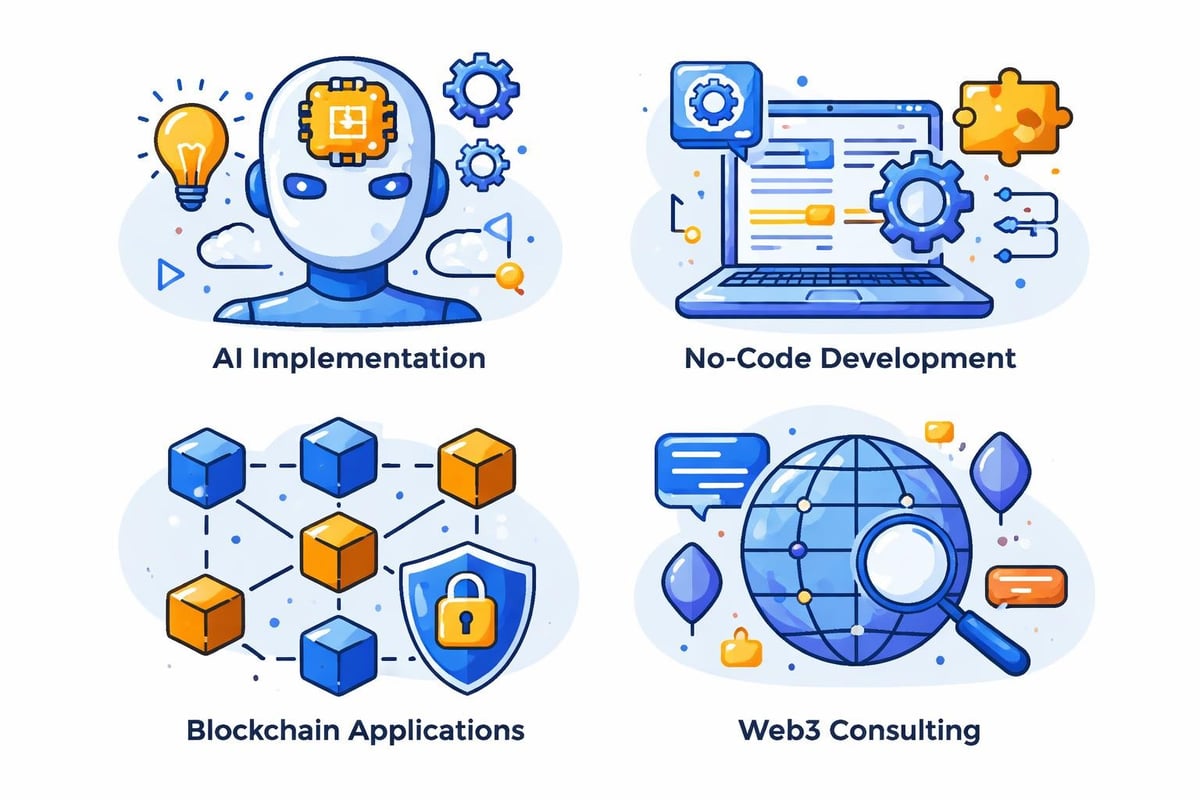
Artificial Intelligence and Machine Learning
AI integration represents one of the fastest-growing demand areas in 2026. Businesses recognize AI’s potential but lack internal expertise for implementation.
Accessible entry points include:
Implementing AI chatbots for customer service
Training custom models for specific business applications
Consulting on AI strategy and vendor selection
Building automated workflows incorporating AI APIs
Creating AI-generated content systems with human oversight
You don’t need PhD-level expertise to deliver value. Understanding practical applications and available tools often suffices for small-to-medium business needs. Exploring how AI tools assist with side hustles reveals both opportunities and realistic limitations.
No-Code and Low-Code Development
Platforms enabling application development without traditional coding democratize software creation. This trend creates opportunities for tech-adjacent professionals bridging business understanding with platform expertise.
Popular platforms include Bubble, Webflow, Airtable, and Zapier. Specialists helping businesses leverage these tools build applications faster and cheaper than traditional development while maintaining professional results.
Blockchain and Web3 Services
Cryptocurrency and decentralized applications continue evolving despite market volatility. Developers comfortable with blockchain technologies, smart contracts, and Web3 infrastructure find eager clients in this space.
Services range from NFT marketplace development to DAO governance implementation. While more specialized than general web development, blockchain work commands premium rates reflecting both complexity and current scarcity of expertise.
Legal and Financial Considerations
Professional technology side hustle operation requires attention to business fundamentals beyond technical execution. Proper structure protects assets while optimizing tax treatment.
Business Structure Options
Operating as a sole proprietor requires minimal setup but offers no liability protection. Forming an LLC separates personal and business assets while maintaining tax simplicity through pass-through treatment.
S-Corporation election becomes advantageous once net income exceeds approximately $60,000 annually, enabling FICA tax savings through reasonable salary determination. Consult tax professionals familiar with freelance technology work for personalized guidance.
Contract and Agreement Essentials
Every client engagement should include written agreements specifying:
Scope of work with clear deliverables
Payment terms including rates, schedule, and methods
Intellectual property ownership upon project completion
Confidentiality provisions protecting client information
Termination conditions for either party
Templates from legal professionals specializing in technology contracts provide solid foundations. Customize based on project specifics rather than using generic agreements lacking industry-appropriate protections.
Tax Planning Strategies
Quarterly estimated tax payments prevent year-end surprises and penalties. Track all business expenses meticulously, as deductions significantly reduce tax liability.
Common deductible expenses include:
Home office space (percentage of housing costs)
Computer equipment and software subscriptions
Internet and phone services (business portion)
Professional development and certifications
Marketing and advertising costs
Setting aside 25-30% of gross income for taxes provides conservative reserves covering federal, state, and self-employment obligations.
Avoiding Common Technology Side Hustle Pitfalls
Learning from others’ mistakes accelerates your path to profitability. Certain patterns consistently derail promising technology side ventures.
Scope Creep and Boundary Issues
Clients frequently request additions beyond original agreements. Without firm boundaries, projects balloon while compensation remains fixed. Combat scope creep through detailed contracts, change order processes, and willingness to decline unreasonable requests.
Clear communication prevents most issues before they arise. Document everything in writing, confirm understanding regularly, and address concerns immediately rather than hoping they resolve independently.
Burnout and Overcommitment
The temptation to accept every opportunity leads to exhausted, poor-quality work damaging reputation. Sustainable technology side hustles maintain reasonable workloads aligned with available capacity.
Recognize warning signs including declining work quality, persistent fatigue, relationship strain, and diminished enjoyment. When these appear, reduce commitments and reassess priorities. Understanding top freelancing niches helps focus on highest-value opportunities requiring less total volume.
Technology Stagnation
Rapid technological evolution makes yesterday’s hot skills tomorrow’s obsolete knowledge. Allocate time and budget toward continuous learning, ensuring your capabilities remain marketable.
Balance trendy technologies with foundational skills offering enduring value. While frameworks change, principles of good design, clean code, and user-focused solutions transcend specific tools.
Resources and Next Steps
Beginning your technology side hustle journey requires action beyond planning. Specific resources accelerate progress when used strategically.
Essential Tools and Software
Invest in tools improving efficiency and professional presentation:
Project management: Asana, Trello, or Monday.com
Time tracking: Toggl or Harvest for accurate billing
Communication: Slack for client coordination
Invoicing: FreshBooks or Wave for payment processing
Portfolio hosting: GitHub Pages or custom WordPress site
Many tools offer free tiers sufficient for starting out. Upgrade as revenue justifies the investment rather than accumulating expenses prematurely.
Learning Resources and Communities
Online communities provide support, advice, and opportunities. Participate actively in relevant forums, Discord servers, and LinkedIn groups where your target clients gather.
Structured learning through platforms like Coursera, Udemy, or specialized bootcamps builds credentials while developing skills. Focus on easy online jobs for beginners if transitioning from non-technical backgrounds.
Measuring Success Metrics
Track progress through concrete metrics rather than subjective feelings. Monitor monthly revenue, hourly rate trends, client acquisition costs, and project profitability individually.
Key performance indicators include:
Average project value (increasing over time)
Client retention rate (repeat business percentage)
Effective hourly rate (total earnings divided by hours worked)
Pipeline value (potential upcoming projects)
Referral percentage (new clients from existing relationships)
Regular review identifies what’s working and where adjustments yield improvement. Successful technology side hustles evolve based on data rather than assumptions.
The technology side hustle landscape offers exceptional opportunities for motivated individuals willing to invest time developing marketable skills and building professional reputations. Success requires strategic thinking, consistent execution, and continuous adaptation to changing market demands. Side Hustle Hackers provides the practical resources, honest reviews, and community support you need to navigate these opportunities effectively. Explore proven strategies and join thousands building sustainable side income through flexible, rewarding work that fits your lifestyle.


