
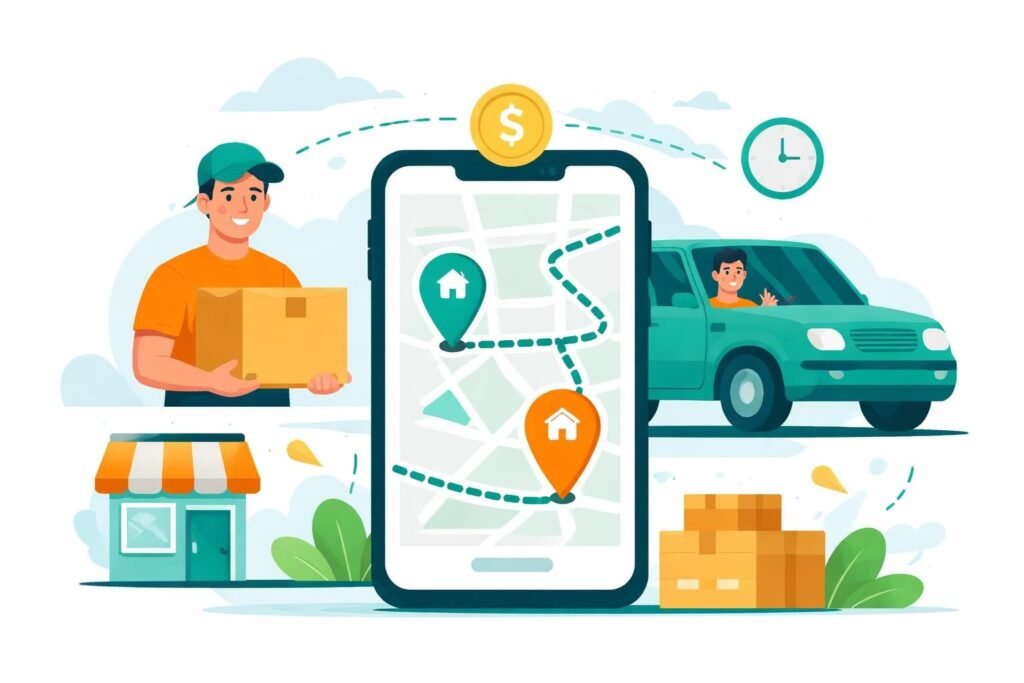
Ever thought about making money from trips you’re already taking? That’s exactly what being a Roadie driver is all about. Instead of driving around aimlessly hoping for ride requests, you’re delivering packages along routes you were already planning to drive. Whether you’re heading to work, visiting family, or just running errands, you can pick up deliveries that match your schedule and earn some extra cash. It’s like getting paid to do what you’d be doing anyway, which is pretty much the dream when it comes to side hustles.
What Exactly Is a Roadie Driver?
A Roadie driver works with Roadie’s crowdsourced delivery platform, helping businesses and individuals get items from point A to point B. Unlike traditional delivery jobs where you’re stuck following company routes, you get to choose which deliveries fit your existing plans.
The concept is brilliant in its simplicity. Someone needs to ship something. You’re already driving somewhere. Roadie connects you both. You earn money, they get their item delivered, and nobody’s making unnecessary trips.
How the Platform Works
Here’s the basic flow for anyone considering becoming a Roadie driver:
Download the Roadie app and complete your driver application
Browse available deliveries (called “gigs”) in your area
Select gigs that match where you’re already going
Pick up the item from the sender
Deliver it to the recipient
Get paid directly to your account
What makes this different from other gig apps is the flexibility. You’re never obligated to accept any delivery. If nothing fits your route, you simply don’t take it.
What Can You Expect to Earn?
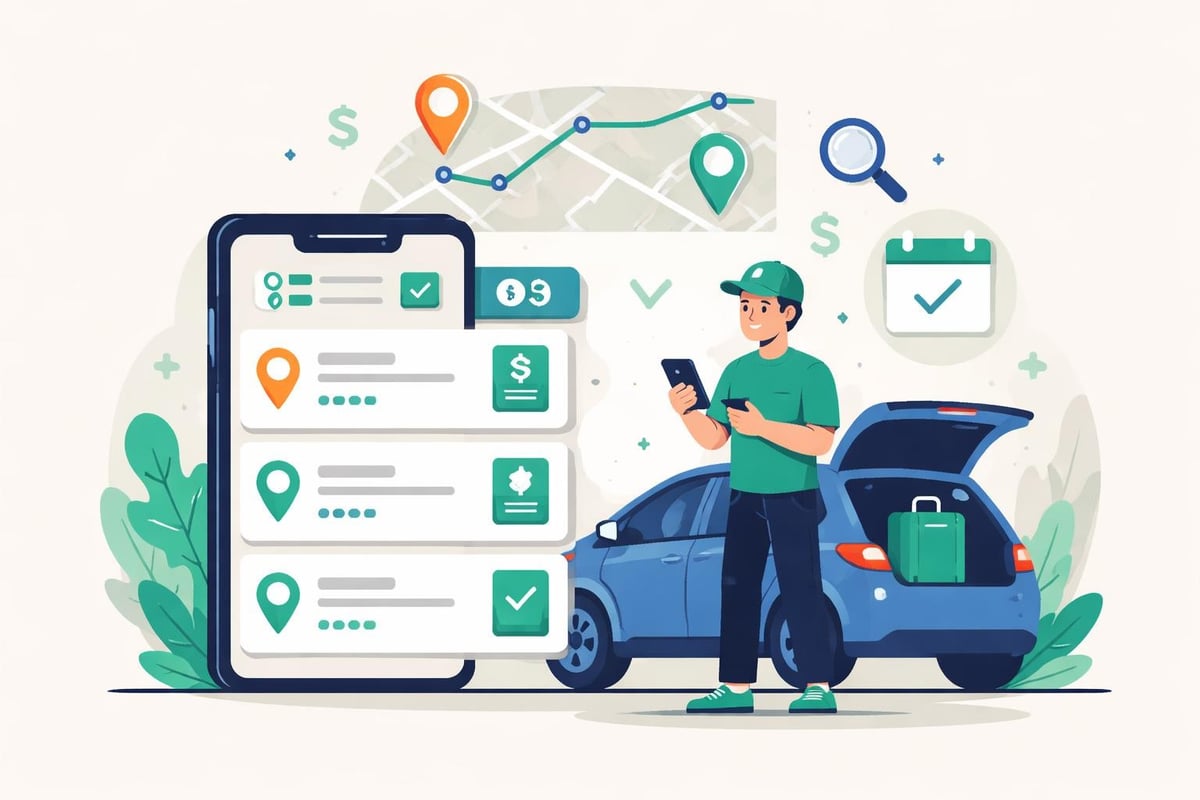
Let’s talk money, because that’s why we’re all here, right? The earnings for a Roadie driver vary significantly based on several factors, but understanding the pay structure helps set realistic expectations.
Delivery Type | Average Pay Range | Time Investment |
|---|---|---|
Local (under 30 miles) | $8-$20 | 30-60 minutes |
Medium (30-100 miles) | $20-$60 | 1-3 hours |
Long haul (100+ miles) | $60-$150+ | 3-6 hours |
Walmart/Home Depot | $6-$15 | 20-40 minutes |
According to detailed 2025 earnings data, most Roadie driver income falls between $12-$18 per hour when you factor in driving time and fuel costs. However, this varies wildly based on strategy.
Maximizing Your Earnings
The smartest Roadie driver approach isn’t about accepting every gig. It’s about being selective:
Route stacking: Accept multiple deliveries along the same route to maximize earnings per mile driven
High-value items: Prioritize appliances, furniture, and specialty items that pay $50+
Existing trips: Only accept deliveries for routes you’re already driving
Premium retailers: Home Depot and Best Buy deliveries often pay better than peer-to-peer shipments
Some drivers report earning $300-$500 per week working 10-15 hours, while others treat it as pure supplemental income and make $100-$200 monthly from trips they’d take anyway.
Requirements and Getting Started
Becoming a Roadie driver isn’t complicated, but there are specific requirements you’ll need to meet before you can start earning.
Basic Requirements:
Valid driver’s license
Clean driving record
Vehicle insurance
Smartphone (iPhone or Android)
Age 18 or older (21+ for some deliveries)
Ability to lift 50+ pounds (for many gigs)
The driver resources hub provides complete details, but the application process typically takes 1-3 days for approval.
Vehicle Considerations
Here’s something that surprises people: you don’t need a fancy vehicle. Any reliable car, truck, or SUV works. In fact, having a larger vehicle opens up more opportunities.
Vehicle Type | Advantages | Best For |
|---|---|---|
Sedan | Excellent fuel economy | Small packages, local deliveries |
SUV | More cargo space | Medium-sized items, furniture |
Pickup truck | Maximum capacity | Large appliances, bulk items |
Van | Protected cargo area | Weather-sensitive deliveries |
The real question isn’t what you drive but whether your vehicle fits your target delivery types. A sedan owner focusing on small local packages can do just as well as someone with a truck going after big-ticket items.
Types of Deliveries You’ll Encounter
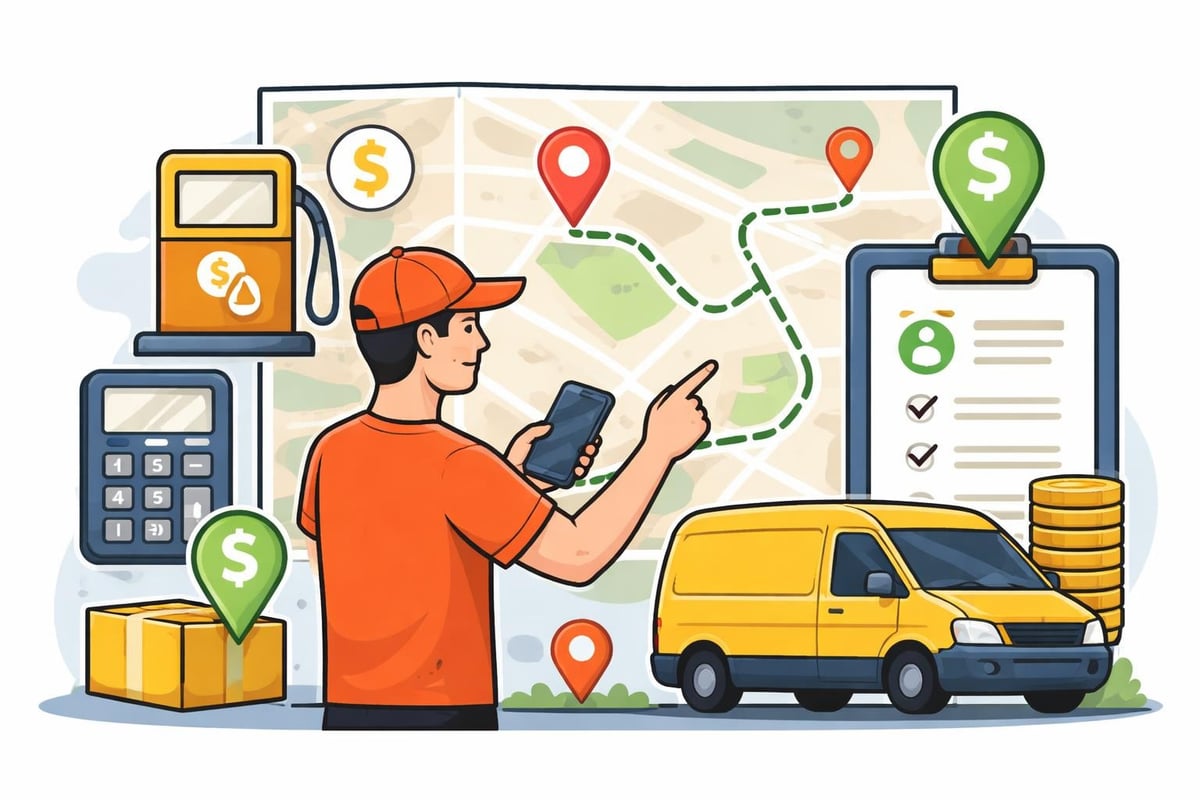
The variety keeps things interesting. As a Roadie driver, you’re not stuck delivering one type of item day after day.
Retail Partnerships
Major retailers use Roadie for same-day delivery. This means regular, predictable gigs from stores like:
Home Depot (appliances, tools, building materials)
Walmart (groceries, household items)
Best Buy (electronics, appliances)
AutoZone (auto parts)
These typically pay less per delivery but they’re consistent and easy to stack.
Peer-to-Peer Shipments
This is where things get interesting. People ship everything you can imagine:
Furniture and antiques
Musical instruments
Emergency medication
Important documents
Pet supplies and live plants
Event equipment
These deliveries often pay premium rates because the sender sets the price based on urgency and value.
Long-Distance Hauls
Planning a road trip? Check for long-distance deliveries along your route. Some Roadie driver stories involve making $200+ delivering items between cities they were already traveling between for personal reasons.
Building Trust and Safety
Roadie takes trust seriously, and as a Roadie driver, you benefit from multiple safety features.
Safety Features:
Background checks for all drivers
Real-time GPS tracking
In-app messaging (no personal info shared)
Photo verification at pickup and delivery
Insurance coverage during active deliveries
24/7 support access
You’re also rated by senders, and maintaining a good rating unlocks higher-paying opportunities. Think of it like building your reputation in any freelancing gig, except you’re hauling packages instead of writing code.
Strategic Tips From Experienced Drivers
After talking to dozens of Roadie driver veterans, some patterns emerge. These folks have figured out how to make this gig work efficiently.
Time Management Strategies
The biggest mistake new drivers make? Accepting deliveries that take them out of their way. The math seems simple: $15 for 20 minutes sounds great. But if that delivery adds 40 minutes of round-trip driving to your day, you’re actually making $7.50 per hour after fuel.
Smart scheduling includes:
Planning your week’s regular routes first
Checking the app the night before
Accepting deliveries that add less than 10% to your existing drive time
Bundling multiple deliveries in the same area
Declining low-pay gigs that don’t fit your efficiency standards
Communication Excellence
Being a successful Roadie driver means more than just moving boxes. Communication separates good drivers from great ones.
When you accept a gig, immediately contact the sender with your estimated pickup time. Send updates if you’re running late. Take clear photos at each step. These simple actions lead to better ratings, which leads to access to better-paying deliveries.
Think about it like client management in freelancing. The technical work matters, but communication often matters more.
Tax Considerations and Business Planning
Here’s something many new Roadie driver hopefuls forget: you’re technically an independent contractor. That means different tax rules apply compared to traditional employment.
What You Need to Track
All delivery income (Roadie provides annual tax documents)
Mileage for every delivery (use an app like MileIQ)
Vehicle maintenance costs
Phone and data plan expenses
Any delivery-related supplies
Most Roadie driver veterans recommend setting aside 25-30% of earnings for taxes. It sounds like a lot, but you’ll thank yourself when tax season arrives.
Common Deductions:
Expense Category | What You Can Deduct | Why It Matters |
|---|---|---|
Vehicle costs | Mileage or actual expenses | Usually your biggest deduction |
Phone expenses | Business use percentage | Data plans add up |
Supplies | Blankets, straps, dollies | Anything used for deliveries |
Insurance | Rideshare/delivery add-ons | Extra coverage you purchase |
Check out this comprehensive review for more details on managing your Roadie driver finances.
Comparing Roadie to Other Delivery Gigs
You’ve probably heard of DoorDash, Uber Eats, Instacart, and others. So how does being a Roadie driver stack up?
The main difference is philosophical. Most delivery apps want you driving around waiting for orders. Roadie assumes you’re already going somewhere and helps you monetize that trip.
When Roadie Makes Sense
Choose Roadie when:
You have regular routes (commuting, frequent trips)
You want complete schedule flexibility
You’re okay with variable income
You prefer fewer but larger payouts
You already drive a lot for personal reasons
When Other Apps Might Be Better
Traditional food delivery might work better if:
You want to work specific shifts
You prefer consistent order flow
You’re in a dense urban area with short delivery distances
You want more predictable hourly earnings
Many successful side hustlers use multiple platforms. Check deliveries on Roadie for your planned routes, fill gaps with other gig work opportunities, and maximize your earning potential.
Real-World Scenarios and Strategies
Let’s look at how different people use Roadie differently, because there’s no single “right” way to be a Roadie driver.
The Commuter: Sarah drives 45 minutes to work five days a week. She checks Roadie every morning and accepts one delivery along her route. Average weekly earnings: $75-$125 for essentially zero extra time.
The Road Tripper: Mark visits his parents 200 miles away twice monthly. He always checks for long-haul deliveries along that route. Average per trip: $80-$150, which covers his gas and then some.
The Hustler: James treats Roadie as a legitimate income stream. He plans routes specifically around high-paying deliveries 15-20 hours weekly. Monthly earnings: $800-$1,200.
Each approach works. The key is matching the Roadie driver model to your lifestyle rather than forcing your lifestyle to fit the platform.
Growing Your Roadie Business
Once you’ve got the basics down, some drivers take it to the next level. This isn’t necessary, but it’s possible if you want to maximize this opportunity.
Building Efficiency
Create standard routes through your city
Develop relationships with regular senders
Invest in equipment (dollies, moving blankets, ratchet straps)
Track your most profitable delivery types and focus there
Use slow periods to research your market
Expanding Capabilities
Some Roadie driver professionals expand their vehicle options. They’ll rent a truck for big-ticket deliveries that pay $100+, or team up with someone who has a larger vehicle for specialty items.
This level of commitment isn’t for everyone, but it shows the platform’s potential when you treat it strategically. It’s similar to how people approach any side hustle that can scale, you start small and grow based on what works.
Common Challenges and Solutions
Every gig has downsides. Here’s what Roadie driver veterans wish they’d known earlier.
Challenge: Deliveries get canceled after you’ve already driven to pickup Solution: Don’t drive far for pickups. Stick to deliveries where pickup is convenient regardless.
Challenge: Items don’t fit in your vehicle as described Solution: Always verify dimensions before accepting. Contact sender immediately if there’s an issue.
Challenge: Inconsistent availability in your area Solution: Check multiple times daily. Best gigs go fast. Enable notifications for new deliveries.
Challenge: Lower pay than expected after expenses Solution: Track everything for two weeks. Calculate your actual hourly rate. Adjust your acceptance strategy.
The learning curve isn’t steep, but there is one. Give yourself a month to figure out what works in your specific market before deciding if this gig fits your goals.
Making the Decision
So, should you become a Roadie driver? Here’s the honest assessment.
This works brilliantly if you already drive regularly and want to monetize those trips. It’s perfect for people who value flexibility over consistent income. It’s ideal for anyone with space in their vehicle and time in their schedule.
It’s less ideal if you need predictable weekly income, don’t drive much naturally, or want something you can clock into and out of with guaranteed earnings.
The beauty of the Roadie driver model is the low commitment. Sign up, try a few deliveries, and see how it fits your life. Unlike starting a traditional business, there’s virtually no startup cost or long-term obligation.
Your vehicle’s already insured. You’re already driving places. You already have a smartphone. The only real investment is your time, and you control exactly how much you give.
Becoming a Roadie driver offers a legitimate way to turn your existing travel into extra income without massive time commitments or lifestyle changes. Whether you’re looking to offset your gas costs or build a flexible income stream around your schedule, the platform provides real opportunities for the right person. Ready to explore more ways to build income on your terms? Side Hustle Hackers offers honest reviews, practical guides, and proven strategies to help you find and succeed with side hustles that actually work for your life and goals.


