
📱 Imagine transforming your free time in 2026 into real income, all with a few taps on your smartphone. As the gig economy accelerates, gig apps are quickly becoming the go-to solution for flexible work and extra earnings.
🚀 Whether you want fast side gigs, specialized freelance projects, or on-demand shifts that fit your lifestyle, this guide is your essential resource. You will discover top gig apps, current trends, and expert strategies to help you start earning confidently.
💡 Ready to navigate the world of gig apps? Dive in and unlock your roadmap to success.
The Gig Economy in 2026: Trends, Stats, and What’s New
Imagine a world where the workforce is more dynamic, flexible, and digital than ever. In 2026, the gig economy is not just a trend—it is a fundamental shift in how millions earn a living. From side hustlers to full-time freelancers, gig apps are at the center of this transformation. Let us explore the numbers, drivers, opportunities, and challenges shaping this fast-evolving landscape.
The Explosive Growth of Gig Work
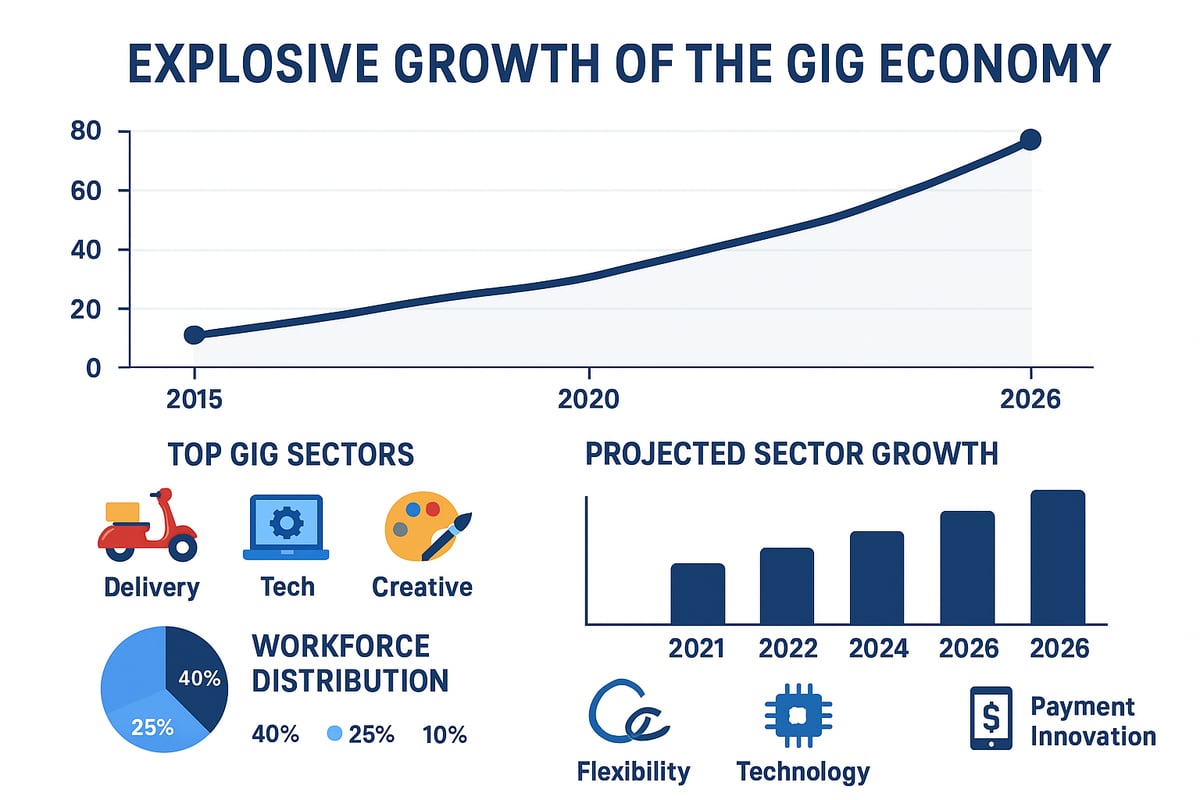
📈 The gig economy has reached unprecedented heights. By 2025, over 76 million U.S. workers—an impressive 36% of the workforce—were engaged in freelance or gig work. This upward trajectory is not limited to one demographic. Workers from all age groups, backgrounds, and industries are participating in gig apps, with many using them for both primary and supplemental income.
The appeal is clear: more people are seeking control over their schedules and the freedom to work on their terms. This surge is expected to continue, pushing the gig economy into new territory as we approach 2026.
Key Drivers Behind the Surge
Several powerful forces are fueling the rapid adoption of gig apps:
🕒 Flexibility: Workers want autonomy and the ability to choose when and how they work.
💼 Business Efficiency: Companies leverage gig talent for agile, cost-effective staffing.
📱 Technology: Advancements in mobile platforms make gig apps more intuitive and accessible.
These drivers have made gig work an attractive option for students, retirees, parents, and professionals seeking additional income or a career reset. The result is a booming marketplace where gig apps connect talent with opportunity in real time.
Emerging Gig Sectors and Opportunities
The gig economy is expanding beyond traditional rideshare and delivery roles. New sectors are emerging, offering diverse opportunities:
🏥 Healthcare: Telehealth support, caregiving, and medical transcription.
💻 Tech: Coding, cybersecurity, and remote IT support.
🎭 Creative: Video editing, content creation, and design gigs.
🤖 AI-Powered Gigs: Data annotation, model training, and prompt engineering.
🏠 Virtual Events & Consulting: Online workshops, remote consulting, and digital event staffing.
Micro-gigs and task-based work are on the rise, allowing workers to complete short, skill-based tasks on-demand. This evolution means gig apps are now suitable for a wider range of skills and interests.
Challenges Facing Gig Workers
While gig apps offer freedom, they also present unique challenges:
💸 Variable Income: Earnings can fluctuate week to week.
🚫 Lack of Benefits: Most gigs do not include health insurance or retirement plans.
⚖️ Increased Competition: More workers mean higher competition for top gigs.
💰 Service Fees: Platforms often take a cut of each payment.
🏛️ Regulatory Uncertainty: Changing laws may impact worker status and protections.
Gig workers must stay informed and proactive to navigate these hurdles and protect their livelihoods.
The Impact of Technology on Gig Apps
Innovation is reshaping how gig apps operate:
🤖 AI Matching: Smart algorithms connect workers with the best-fit gigs.
💳 Instant Pay: Enhanced payment systems enable same-day transfers.
🛡️ Integrated Safety: In-app insurance and safety features are becoming standard.
These improvements not only boost efficiency but also make gig apps safer and more appealing for new users. Technology is the backbone that allows the gig economy to scale and adapt to changing demands.
Data and Insights
To grasp the scale and direction of the gig economy, consider these latest insights:
Year | US Gig Workforce | % of Total Workforce | Global Market Size (USD) |
|---|---|---|---|
2015 | 40 million | 25% | $204 billion |
2020 | 59 million | 34% | $347 billion |
2025 | 76 million | 36% | $455 billion |
2026 (est.) | 80 million | 37% | $500+ billion |
User satisfaction with is trending upward, thanks to better user interfaces, instant payments, and more tailored gig matching. For a deeper dive into recent numbers and projections, see the Global Gig Economy Workforce Estimates.
The gig economy’s momentum is expected to accelerate, driven by innovation, shifting labor preferences, and the ongoing digital transformation of work.
Types of Gig Apps: Industry Breakdown & Best Use Cases
The landscape in 2026 is vast and diverse, offering income opportunities for every skill set and schedule. Let’s break down the core categories of gig apps, highlight the best use cases, and help you spot the right fit for your goals.
Transportation & Delivery Apps
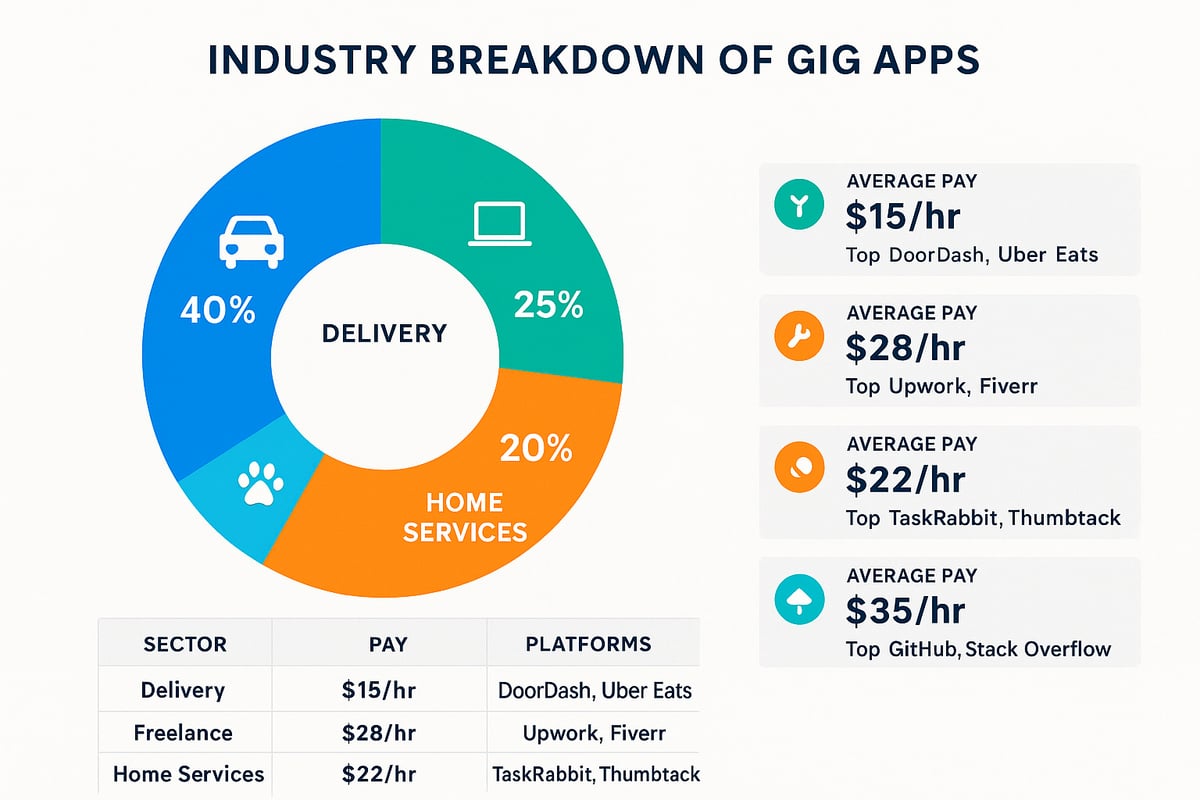
Transportation and delivery apps remain among the most popular choices for flexible earning. Drivers can pick up passengers, deliver meals, or handle package drop-offs with just a smartphone. Top platforms include Uber and Lyft for ridesharing, while DoorDash, Uber Eats, and Grubhub dominate food delivery.
Grocery shoppers often turn to Instacart or Shipt, and Amazon Flex offers a route-based approach for package delivery. These gig apps are ideal for those who prefer active, on-the-go work with control over their hours.
Curious about maximizing your earnings with these platforms? Check out the Driving and delivery gig apps guide for expert insights on setup, pay structures, and real driver experiences.
Freelance & Creative Services Platforms
If you have digital skills, freelance gig apps open up a world of remote work. Upwork and Freelancer connect professionals to projects in writing, design, and programming. Fiverr, 99designs, and Dribbble cater to creatives, allowing artists, editors, and designers to showcase portfolios and land short-term gigs.
Toptal is the go-to platform for high-end freelance tech and design roles, often requiring a rigorous screening process. These gig apps are best suited for those seeking project-based work, portfolio growth, and the freedom to choose clients.
Pros include global reach and flexible schedules, while competition and service fees can impact earnings. Still, for many, these platforms deliver steady freelance income and valuable networking.
Home, Event, and Hospitality Services
Hands-on gig apps excel in local services and events. TaskRabbit and Thumbtack link users to gigs in handyman work, moving, repairs, and assembly. For hospitality and events, Qwick, shiftNOW, and Instawork offer shift-based work in hotels, catering, and event staffing.
Handy stands out for home cleaning and skilled trades, matching workers with recurring or one-time jobs. These gig apps favor those with physical skills, reliability, and a knack for customer service.
The main advantages are immediate, local job opportunities and flexible shifts. However, travel between gigs and physical demands can be a factor to consider.
Specialized & Niche Gig Apps
There’s a growing market for specialized gig apps that cater to unique interests and needs. Rover and Wag! are leaders in pet sitting and dog walking, while Care.com and UrbanSitter focus on childcare and eldercare.
Drivers with automotive expertise can join Honk for roadside assistance gigs. For those interested in mystery shopping or retail audits, Gigwalk and Field Agent provide task-based opportunities.
These gig apps work best for individuals with niche skills or certifications, offering both supplemental income and the chance to build a specialized client base.
Tech & Remote Work Platforms
Tech-savvy workers find their match with gig apps like Guru and Contently, which offer gigs in IT, tech support, content creation, and digital marketing. UserTesting pays users to provide feedback on products and websites, making it a strong choice for those who enjoy usability testing and analysis.
Remote gig apps are perfect for digital nomads or those seeking location-independent work. They often provide a steady stream of tasks and the flexibility to work from anywhere, but may require specific skills or equipment.
Comparison Table: Gig Apps by Industry
Industry | Top Platforms | Features | Typical Earnings |
|---|---|---|---|
Transportation & Delivery | Uber, DoorDash, Instacart | Flexible, on-demand | $15–$30/hr |
Freelance & Creative | Upwork, Fiverr, Toptal | Remote, project-based | $20–$100/hr+ |
Home & Hospitality | TaskRabbit, Instawork, Handy | Local, shift-based | $18–$40/hr |
Specialized & Niche | Rover, Care.com, Gigwalk | Task-based, specialized | $15–$35/hr |
Tech & Remote | Guru, Contently, UserTesting | Digital, remote tasks | $20–$60/hr |
From ridesharing to remote consulting, gig apps in 2026 offer unmatched diversity, making it easier than ever to find a platform aligned with your skills and lifestyle.
How to Choose the Right Gig App for You
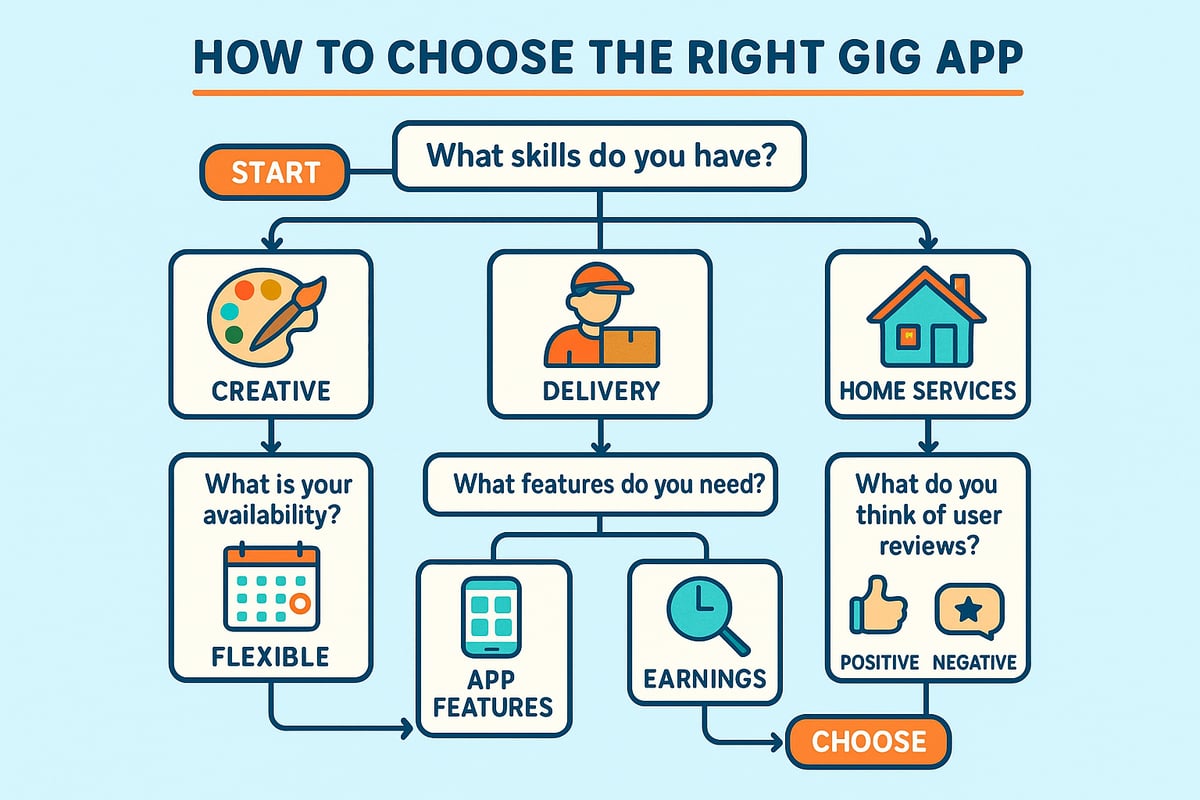
Choosing the right gig apps in 2026 can make all the difference in your side hustle success. With so many platforms available, it’s essential to find the ones that fit your skills, preferences, and schedule. Let’s break down the most important steps for making a smart choice.
Assessing Your Skills, Interests, and Availability
🧩 Start by mapping your strengths and passions. Are you a creative thinker, a hands-on problem solver, or someone who enjoys driving? Identifying your preferred work style is crucial for narrowing down gig apps. For example, design professionals might thrive on creative platforms, while outgoing personalities may excel in delivery or hospitality gigs.
Consider how much time you can realistically commit. Do you want a flexible side project or a consistent part-time income? Matching your skills and schedule to the right app increases both satisfaction and earning potential. For a tailored list of platforms that align with your expertise, explore make money with your skills apps for detailed options.
Evaluating App Features and User Experience
📱 Not all gig apps are created equal. A user-friendly interface saves time and frustration. Look for apps that offer clear navigation, strong customer support, and reliable payment systems.
Safety and insurance features, such as in-app support, background checks, or occupational accident coverage, can provide peace of mind for gig workers. Transparency in job details—like location, pay, and requirements—also helps you make informed decisions before accepting gigs.
Comparing Earnings Potential and Fees
💸 Understanding how much you’ll really earn is essential. Each gig app has its own commission structure and potential hidden costs. Review payout rates, service fees, and any additional expenses such as mileage, equipment, or supplies.
To help you compare, here’s a quick decision matrix:
Platform | Avg. Pay/Hour | Commission Fee | Payment Speed |
|---|---|---|---|
Uber | $18–$25 | 20–25% | Instant/Same Day |
DoorDash | $15–$22 | 10–15% | Instant/Same Day |
Upwork | $20–$40 | 5–20% | Weekly |
TaskRabbit | $17–$30 | 15% | Weekly |
Carefully weigh your expected net earnings before committing to any platform.
Considering Flexibility and Scheduling
⏰ One of the biggest draws of gig apps is flexibility. Some platforms offer true on-demand gigs, letting you pick up work whenever you want. Others may require advance scheduling or approval.
Think about whether you prefer spontaneous opportunities or a predictable routine. Apps like Instacart and DoorDash provide instant offers, while others such as Instawork allow you to claim shifts in advance. Balancing flexibility with your other commitments ensures gig work fits seamlessly into your lifestyle.
Reading Reviews and Community Feedback
⭐ User experiences can reveal a lot about a gig app’s reliability. Always check app store ratings, online reviews, and community forums before signing up. Look for patterns—are there frequent complaints about delayed payments or technical glitches?
Red flags include poor customer support, hidden fees, or a lack of clarity in job postings. Positive feedback, on the other hand, often points to trustworthy apps that value their workers. Taking time to research can save you from frustration and help you choose the best platform for your needs.
Step-by-Step: Getting Started and Maximizing Earnings on Gig Apps
Starting with gig apps can feel overwhelming, but breaking it down into actionable steps makes the process clear and manageable. Follow this roadmap to boost your income, optimize your workflow, and achieve lasting success in the gig economy.
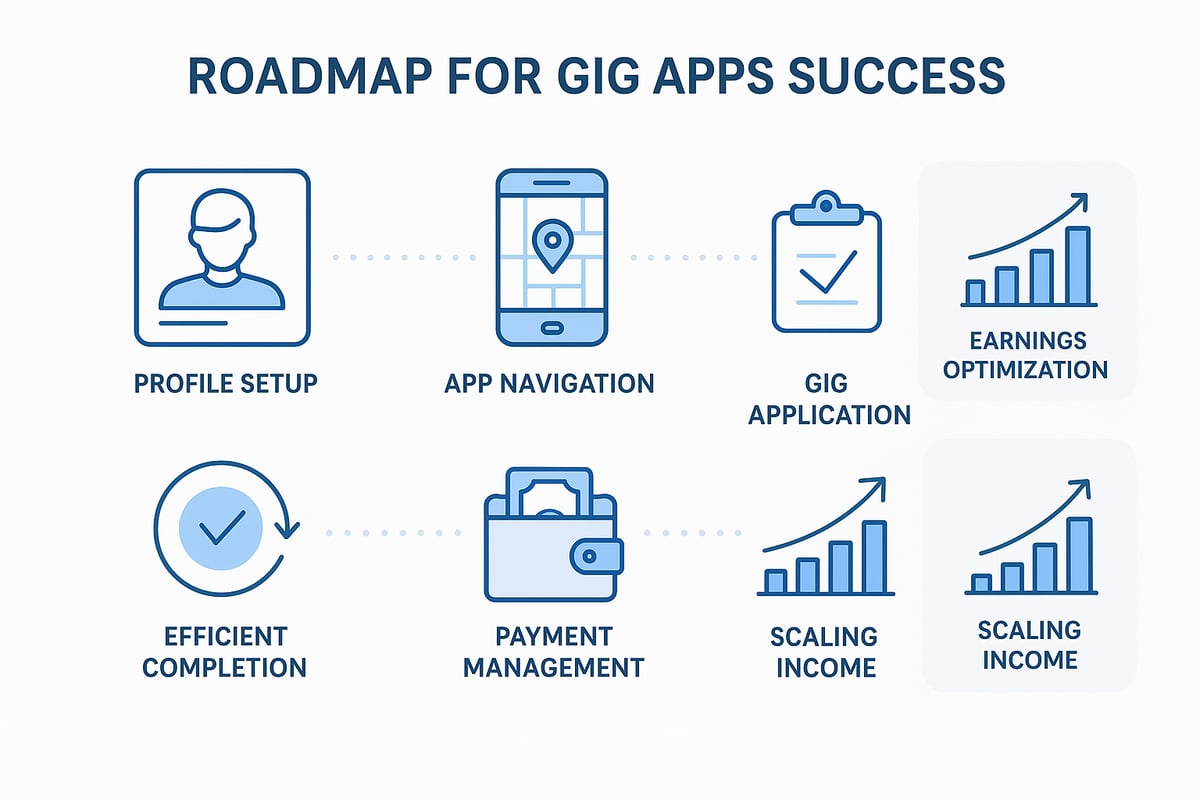
Step 1: Setting Up Your Profile for Success
📝 Craft a Winning Profile
First impressions count. Your profile is your storefront. Use a clear, professional photo and write a concise bio that highlights your skills and reliability. List relevant experience, certifications, and any specialties you have.
🔒 Verify and Secure Your Account
Complete all required verifications, such as ID checks, background screenings, or uploading credentials. Secure your account with strong passwords and enable two-factor authentication if offered.
💡 Add Payment and Tax Details
Input your payment information carefully to avoid delays. Most apps require you to set up direct deposit or link a payment service. Also, add tax details to ensure smooth reporting.
Profile Setup Checklist
Task | Completed (✔/✖) |
|---|---|
Upload profile photo | |
Write bio | |
Add certifications | |
Verify ID | |
Link payment method |
A well-prepared profile helps you stand out and increases your chances of getting selected for high-quality gigs.
Step 2: Navigating the App and Finding the Best Gigs
🔍 Use Advanced Filters
Gig apps offer search tools and filters to match you with the most suitable jobs. Filter by location, pay rate, type of work, or client ratings to target gigs that fit your preferences.
📲 Set Alerts and Notifications
Enable gig alerts for instant updates on new opportunities. Many apps let you customize notifications for high-paying or last-minute gigs, so you never miss out.
🚩 Spot Quality Gigs
Look for detailed job descriptions, clear requirements, and trustworthy clients. Avoid gigs with vague instructions or unusually low pay.
Top Tips:
Bookmark favorite gig categories.
Use in-app maps to plan routes for delivery or on-site work.
Review estimated earnings before accepting.
By mastering app navigation, you maximize your time and focus on the gigs that align with your goals.
Step 3: Applying, Booking, and Confirming Gigs
📨 Understand Application Processes
Each platform has its own workflow. Some apps require a formal application or bidding, while others allow instant booking. Read instructions carefully and tailor your responses.
⚡ Respond Quickly
Speed is critical. Reply promptly to client messages and confirmation requests. Fast responders are more likely to secure top gigs.
📅 Confirm Details
Double-check all job information before committing. Confirm the location, time, and any special requirements to avoid surprises.
Application Workflow Example
Step | Action |
|---|---|
Apply or bid | Submit details |
Wait for approval | Monitor app |
Confirm gig | Reply promptly |
Staying organized and responsive helps you secure more gigs and build a strong reputation in the gig apps space.
Step 4: Completing Gigs Efficiently and Professionally
⏰ Manage Your Time
Arrive early, plan routes ahead, and use time-tracking apps. Efficient time management means you can fit in more gigs and earn more.
🤝 Deliver Quality Service
Communicate clearly with clients and confirm expectations. Going the extra mile, like sending progress updates, can lead to repeat business and higher ratings.
⭐ Build Positive Ratings
Request feedback after every completed gig. Consistently high ratings on gig apps unlock premium opportunities and priority access to top jobs.
Efficiency Boosters:
Use checklists for recurring tasks.
Keep essential tools or supplies ready.
Learn shortcuts and best practices from experienced users.
Professionalism and efficiency are your best assets for long-term success.
Step 5: Managing Payments, Taxes, and Benefits
💸 Track Your Earnings
Monitor your income using in-app wallets or third-party finance apps. Check for instant pay features, which are a major advantage in some gig apps.
🚀 Get Paid Faster
Choose platforms that offer quick payouts. For a list of the 10 gig apps that pay fast, review options that minimize waiting time for your earnings.
📑 Plan for Taxes and Deductions
Keep records of all income and expenses. Use spreadsheet templates or accounting apps tailored for gig workers. Set aside a portion of your earnings for tax season.
Benefits Planning:
Explore health and accident insurance options.
Investigate retirement plans for independent workers.
Check if your app offers any worker protection features.
Managing payments and financial details ensures you keep more of what you earn and avoid surprises at tax time.
Step 6: Scaling Up and Diversifying Your Gig Income
📈 Work Across Multiple Platforms
Do not rely on one app alone. Many successful gig workers use several gig apps simultaneously to increase their earning stability and tap into different markets.
🔧 Specialize for Higher Pay
Develop niche skills or certifications to access premium gigs. For example, advanced cleaning, pet care, or tech support can command higher rates.
🌐 Leverage Reviews and Referrals
Encourage satisfied clients to leave reviews and refer you to others. Positive feedback boosts your visibility and can unlock exclusive opportunities.
Growth Strategies Table
Strategy | Potential Impact |
|---|---|
Multi app usage | Income stability |
Niche skills | Higher average pay |
Strong reviews | More premium gigs |
Scaling your apps journey means more income, flexibility, and long-term growth potential.
Advanced Tips, Tools, and Strategies for Gig App Success
Mastering gig apps in 2026 is about more than just signing up and completing tasks. To truly thrive, you need a strategic approach that combines technology, branding, and community support. Let’s explore advanced tactics and essential tools that can elevate your earnings and help you stay ahead in a fast-changing gig economy.
Leveraging Technology and Tools
Technology is transforming how gig apps operate and how workers maximize their time. AI-powered matching helps you find gigs tailored to your skills and location, reducing time spent searching. Scheduling tools like Google Calendar or GigSmart’s in-app planner keep your workflow organized.
Top tools for gig apps include:
Time tracking apps (e.g., Toggl, Clockify) to monitor hours and earnings
Mileage and expense trackers (e.g., Everlance, Stride) for tax deductions
Multi-app management tools to juggle several platforms efficiently
Automation plugins for notifications, gig alerts, and even auto-responses
Integrating these digital resources into your daily routine can streamline your workflow and help you reach your income goals with gig apps.
Building a Brand and Reputation
Your reputation is your currency in the gig world. Building a recognizable brand across gig apps increases trust and attracts higher-paying clients. Start by crafting a professional profile with a clear photo, detailed bio, and evidence of your expertise.
Key steps to boost your personal brand:
Collect and showcase top reviews from satisfied clients
Display certifications or badges to highlight specialized skills
Network with repeat clients for referrals and ongoing work
Stay consistent in communication and quality across platforms
By focusing on your digital presence, you will stand out in the crowded gig apps marketplace and secure more lucrative opportunities.
Avoiding Common Pitfalls
Even experienced gig app users face challenges. Common pitfalls include hidden fees, delayed payments, and technical glitches. To protect your income and time, read app terms carefully and monitor updates.
Practical ways to avoid issues:
Review payout schedules and watch for fee changes
Check user forums for reports of app bugs or policy shifts
Document all completed gigs to resolve disputes quickly
Understand cancellation policies to avoid penalties
For a deeper dive into real-world experiences and common issues, see this TaskRabbit review for gig work.
Staying vigilant on gig apps ensures you avoid unnecessary setbacks and keep your side hustle profitable.
Maximizing Efficiency and Earnings
To boost your earnings, you need to work smarter on gig apps. Stacking gigs—working on multiple platforms or tasks in a day—can increase income and reduce downtime. Optimize your schedule by targeting high-demand hours, such as lunch and dinner for delivery apps.
Efficiency boosters for gig apps:
Batch similar gigs to minimize travel or setup time
Negotiate better rates with repeat clients or during peak demand
Invest in upskilling (certifications, workshops) for access to premium gigs
Track performance metrics to identify your most profitable activities
These strategies help you make the most of each hour spent on gig apps and support long-term income growth.
Staying Informed and Adapting to Trends
The gig economy evolves rapidly, with new regulations, features, and market shifts. Following industry news and projections helps you anticipate changes and adapt your gig apps strategy.
Stay ahead by:
Subscribing to gig economy newsletters for updates
Monitoring regulatory changes that could affect your rights or pay
Exploring new gig sectors as technology and demand shift
Reviewing market growth data to spot emerging opportunities
For a comprehensive view of market trends and future growth, check the Gig Economy Market Growth Projections.
Keeping up with the latest on gig apps ensures you remain competitive and resilient in any economic climate.
Community Support and Resources
You do not have to navigate gig apps alone. Online forums, peer groups, and mentorship programs offer support, advice, and solutions for common gig work challenges. Community can be a lifeline for both practical help and motivation.
Valuable community resources for gig apps include:
Reddit’s r/gigwork and r/sidehustle for peer advice
Local Facebook groups for gig workers in your area
Mentorship platforms connecting new and experienced workers
Mental health and financial planning resources tailored for freelancers
Tapping into these networks can help you overcome obstacles, learn new skills, and build lasting connections in the gig apps world.
Frequently Asked Questions About Gig Apps in 2026
Curious about gig apps in 2026? We have compiled answers to the most common questions, helping you make informed choices as you start or scale your journey in the gig economy.
What are the best gig apps for beginners?
🟢 Many newcomers start with user-friendly gig apps that require minimal setup and flexible onboarding. Popular choices include:
DoorDash: Simple sign-up, fast approval, and high demand for delivery.
TaskRabbit: Local tasks with a variety of options, from moving help to furniture assembly.
Instacart: Grocery shopping and delivery, with straightforward app navigation.
These gig apps are ideal for those who want to earn quickly without specialized skills. Explore user reviews and onboarding steps to find the right fit for your needs.
How much can you realistically earn from gig apps?
💰 Earnings through gig apps vary based on industry, location, and time commitment. According to U.S. Gig Economy Statistics, top earners in delivery and remote freelance sectors can make $20–$35 per hour, while entry-level tasks average $10–$18 per hour.
Platform | Avg. Hourly Earnings | Typical Fees |
|---|---|---|
DoorDash | $15–$25 | 10–20% |
Upwork | $20–$35 | 5–20% |
Instacart | $13–$20 | 5–10% |
Maximize your gig apps income by working during peak times and combining multiple platforms.
Are gig apps safe and reliable?
🛡️ Most leading gig apps invest in safety, insurance, and user protections. For example, GigSmart offers occupational accident insurance, and many platforms use background checks and secure payment systems.
However, always read app policies and user reviews. Stay alert for payment delays, app glitches, or lack of customer support. Regulatory shifts, such as those highlighted in Regulatory Changes in the Gig Economy, are shaping how gig apps manage worker protections and data transparency.
How do taxes work for gig app income?
📝 Earnings from gig apps are considered self-employment income. Keep detailed records of your payments, mileage, and expenses. Most platforms provide annual tax forms (1099s), but it is your responsibility to track deductions and pay estimated taxes.
Using expense-tracking apps can simplify this process. Consult a tax professional familiar with gig apps to maximize deductions and avoid surprises during tax season.
Can you use multiple gig apps at once?
🔄 Absolutely. Many gig workers “stack” gig apps to increase earning potential and reduce downtime. For example, you might deliver with DoorDash while waiting for Instacart orders, or switch between TaskRabbit and Uber depending on demand.
Pros:
More consistent income
Access to a wider range of gigs
Cons:
Juggling schedules
Managing multiple app notifications
Plan your workflow to avoid double-booking and maintain high ratings across platforms.
What new gig app trends should I watch for in 2026?
🤖 The gig apps landscape is rapidly evolving. Major trends include:
AI-powered job matching for tailored gig suggestions
Instant payment options and digital wallets
Growth in specialized sectors like healthcare and virtual events
Regulatory updates affecting worker classification and benefits
Stay informed about new features and industry news to stay ahead in the gig apps market.
If you’re ready to put all these gig app insights into action and take control of your financial future, you’re not alone. Thousands of people are transforming their free time into real income with the right strategies and support. We know starting can feel overwhelming, but you don’t have to do it by yourself. If you want step by step guidance, honest reviews, and a supportive community to help you avoid pitfalls and maximize your earnings, it’s time to take the next step.
Start Your First Hustle
and join others who are turning gig work into real results.


