
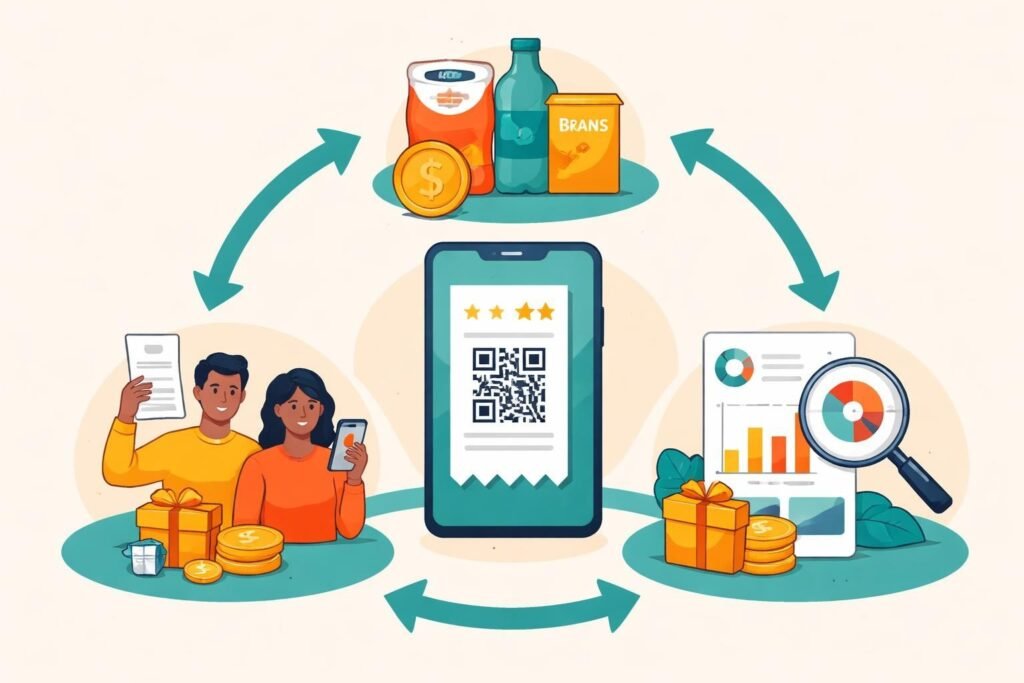
Fetch Rewards has become one of the most popular receipt-scanning apps, with millions of users earning points on everyday purchases. As someone exploring apps to scan receipts for cash, you might wonder how this generous rewards program sustains itself. Understanding how does Fetch make money reveals a sophisticated business model that benefits users, brands, and the company simultaneously. This revenue strategy combines affiliate marketing, data analytics, and strategic partnerships to create a thriving ecosystem that rewards consumer behavior while generating substantial income for the platform.
The Primary Revenue Streams Behind Fetch Rewards
Fetch operates on a multi-faceted business model that generates income from several interconnected sources. The company has built a sustainable financial foundation that allows it to offer attractive rewards while maintaining profitability.
Brand Partnership Commissions
The core answer to how does Fetch make money lies in brand partnerships and affiliate commissions. When users scan receipts containing products from Fetch’s partner brands, those companies pay Fetch a commission or marketing fee. This performance-based model creates a win-win scenario where brands gain verified purchase data and customer engagement while Fetch earns revenue for facilitating these connections.
According to FinanceBuzz’s analysis of Fetch’s revenue model, these brand partnerships form the backbone of the company’s income strategy. Partner companies invest in Fetch’s platform because it delivers measurable results through actual purchase verification rather than traditional advertising impressions.
Key partnership benefits for brands include:
Verified purchase tracking and consumer behavior data
Targeted promotional opportunities to engaged shoppers
Performance-based marketing with measurable ROI
Direct feedback loops on product reception and market penetration
Data Insights and Analytics Revenue
Beyond direct brand payments, understanding how does Fetch make money requires examining the data monetization strategy. Fetch collects aggregated, anonymized shopping data that provides invaluable market insights to consumer packaged goods companies, retailers, and market research firms.
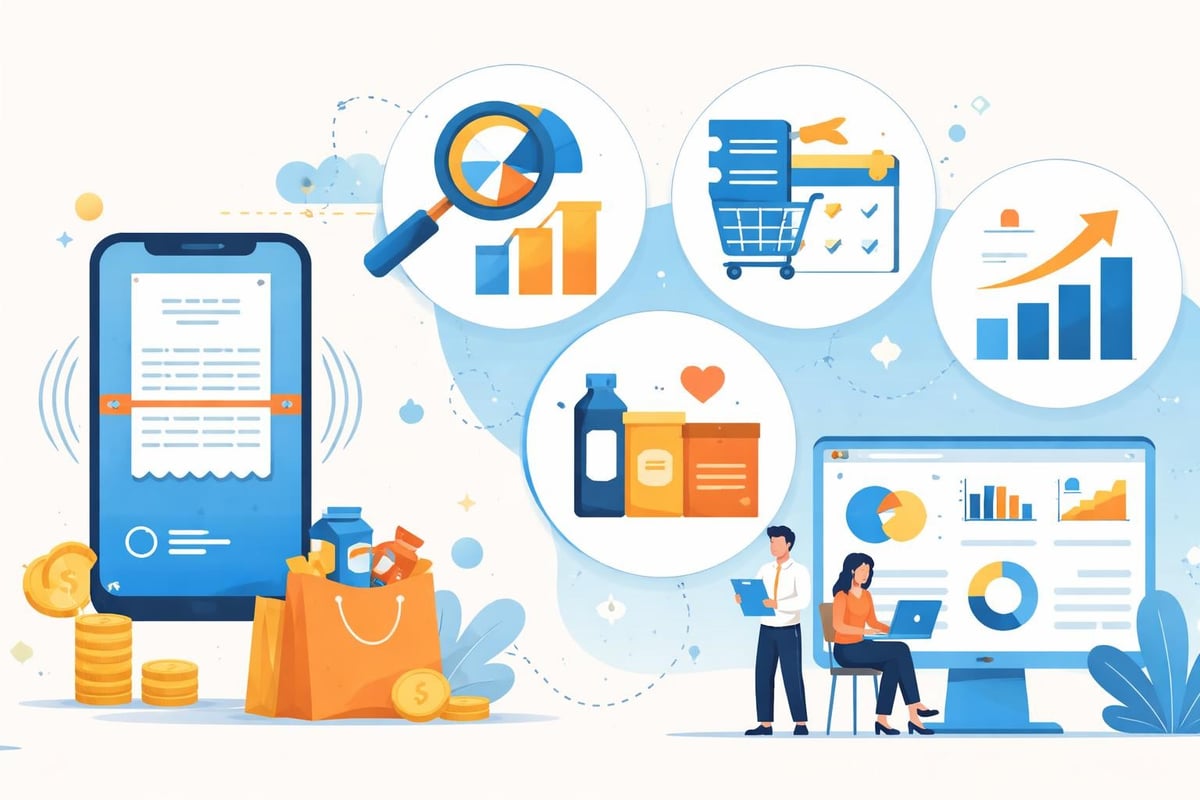
This information helps brands understand purchasing trends, competitive positioning, and consumer preferences across different demographics and regions. The detailed analysis from MintWit highlights how this data infrastructure creates substantial value separate from individual transaction commissions.
Data Type | Brand Value | Fetch Revenue Source |
|---|---|---|
Purchase frequency | Product development insights | Subscription analytics packages |
Brand switching patterns | Competitive intelligence | Market research reports |
Regional preferences | Distribution optimization | Geographic trend data |
Category trends | Strategic planning | Industry benchmarking services |
Diversified Income Through Strategic Initiatives
Fetch has expanded beyond its original receipt-scanning model to create additional revenue opportunities that complement its core business.
Interchange Fees and Credit Card Partnerships
When users link credit or debit cards to their Fetch account for automatic purchase tracking, the company participates in interchange fee arrangements. As explained in this comprehensive video breakdown, these fees represent a small percentage of each transaction processed through linked payment methods.
This revenue stream answers another dimension of how does Fetch make money by creating passive income from card-linked offers and transactions. Banks and payment processors share a portion of interchange fees with platforms that drive card usage and customer engagement.
Users link their credit or debit cards to Fetch
Automatic tracking captures eligible purchases
Fetch receives a portion of interchange fees from processors
Users benefit from seamless point accumulation
Gaming and Engagement Revenue
In 2026, Fetch has significantly expanded its monetization through Fetch Play, a mobile gaming feature that rewards users for playing sponsored games. Fetch’s announcement about rewards for mobile gaming demonstrates this diversification strategy.
Game developers and advertisers pay Fetch to feature their games and promotions within the app. This creates an engagement ecosystem where users earn points, developers gain qualified users, and Fetch generates revenue from both placement fees and performance bonuses.
Gaming revenue components:
Game developer placement fees for featured positions
Performance bonuses based on user acquisition and retention
In-game advertising revenue from third-party sponsors
Data insights sold to mobile gaming companies
Similar to other gig apps that pay fast, Fetch has learned to monetize user engagement across multiple touchpoints.
Strategic Partnerships and Collaborative Ventures
Understanding how does Fetch make money in 2026 requires examining the company’s partnership ecosystem that extends beyond individual brand relationships.
Technology Platform Collaborations
Fetch’s collaboration with Kard exemplifies how strategic technology partnerships create new revenue channels. By integrating with card-linked offer platforms, Fetch expands its brand network and creates additional commission opportunities without significant infrastructure investment.
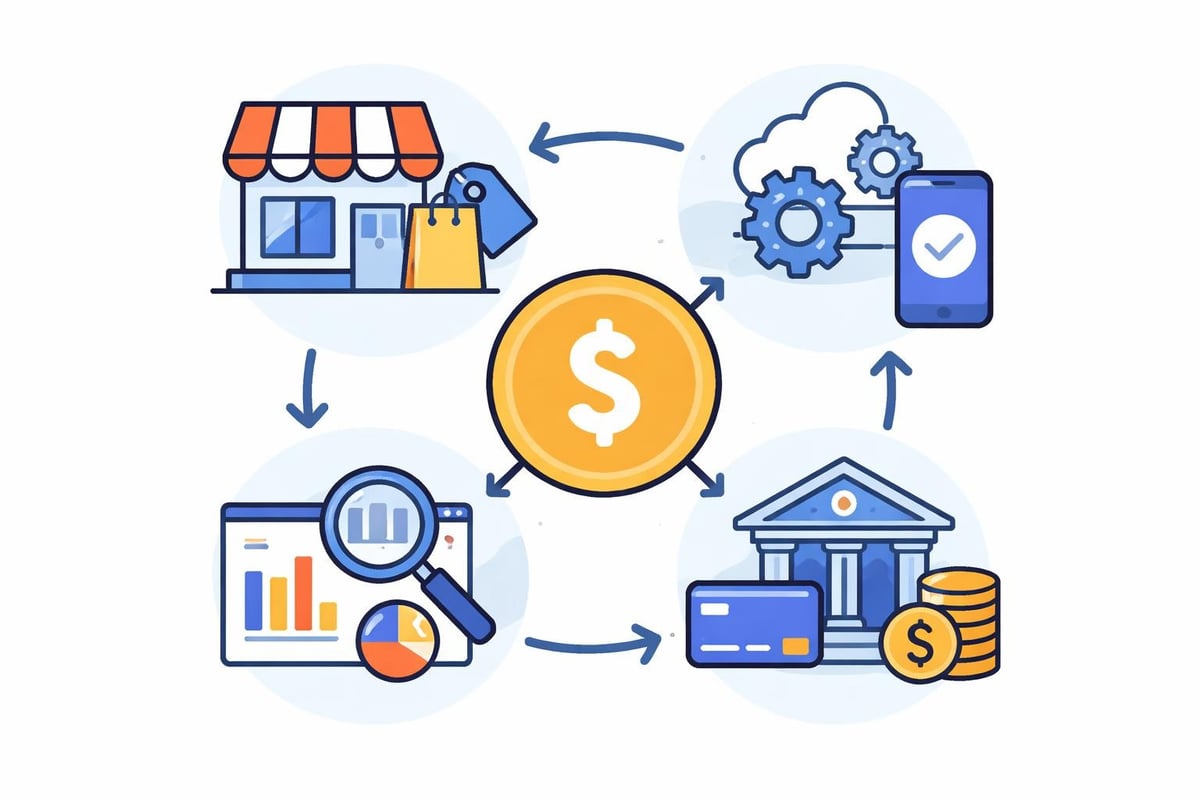
These collaborative arrangements allow Fetch to:
Access broader brand networks through partner platforms
Share technology infrastructure costs
Cross-promote services to complementary user bases
Generate referral fees and revenue-sharing arrangements
Financial Institution Partnerships
Banks and credit card issuers partner with Fetch to enhance their own customer loyalty programs. These financial institutions pay Fetch for white-label solutions, co-branded promotions, or integration capabilities that make their cards more attractive to consumers.
According to YoreOyster’s examination of Fetch’s revenue sources, these B2B relationships create stable, recurring revenue streams that complement consumer-facing activities.
Advertising and Sponsored Content Revenue
Beyond transactional commissions, how does Fetch make money through advertising represents a growing segment of the business model.
In-App Advertising Placements
Fetch’s user base of millions of engaged shoppers presents valuable advertising inventory. Brands pay for:
Featured placement in special offers sections
Banner advertisements within the app interface
Sponsored push notifications for new promotions
Premium visibility in category browsing
These advertising placements command premium rates because Fetch can demonstrate actual purchase intent and conversion rather than passive impressions. Users actively engage with the app to earn rewards, making advertising more effective than traditional channels.
Sponsored Brand Campaigns
Companies launch comprehensive campaigns through Fetch that combine multiple revenue elements. A typical sponsored campaign might include data insights, targeted promotions, featured placement, and performance bonuses based on sales lift.
Campaign Element | Brand Investment | Fetch Revenue Model |
|---|---|---|
Featured offers | $50,000-$200,000 | Fixed placement fee |
Data reporting | $10,000-$50,000 | Analytics package |
Bonus point promotions | Variable | Performance commission |
User targeting | $25,000-$100,000 | Audience access fee |
Market Conditions and Revenue Challenges
While exploring how does Fetch make money, it’s important to acknowledge economic factors that impact revenue generation. The PYMNTS report on Fetch’s workforce adjustments highlights how consumer spending patterns directly affect commission-based revenue models.
During economic downturns or periods of reduced consumer spending, Fetch faces challenges:
Lower transaction volumes reduce commission revenue
Brands decrease marketing budgets affecting partnership fees
Users may engage less frequently with the app
Competition intensifies for consumer wallet share
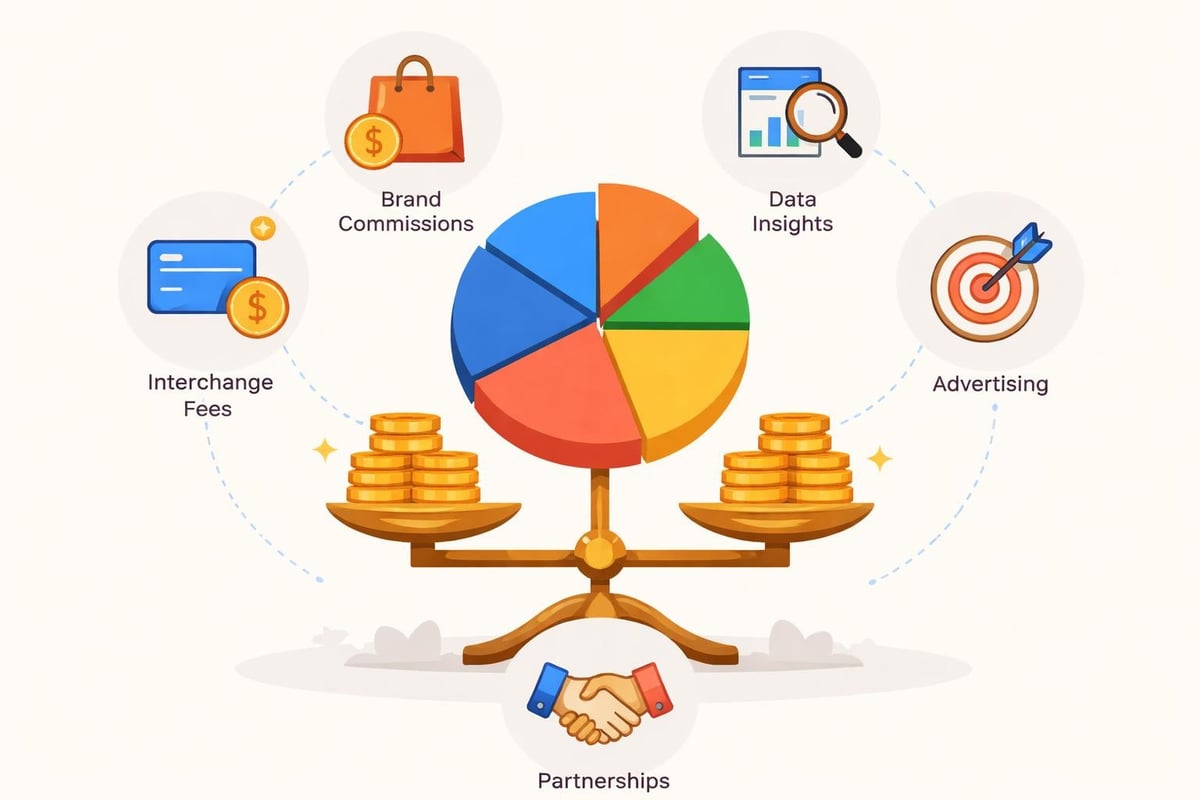
However, Fetch’s diversified revenue model helps insulate the company from over-reliance on any single income source. The combination of data sales, advertising, partnerships, and direct commissions creates resilience against market fluctuations.
The User Value Exchange Model
A critical component of understanding how does Fetch make money involves recognizing the value exchange with users. Unlike many passive income streams that require upfront investment, Fetch creates value by:
Converting User Behavior into Revenue
Every receipt scan, card link, and game played generates data and engagement that Fetch monetizes. Users receive points (typically valued at approximately $0.01 each), while Fetch receives substantially more from brands and partners for facilitating these interactions.
The economics breakdown:
User scans receipt worth 100 points ($1 value)
Fetch earns $3-5 from brand commissions and data
User redeems points for gift cards at full value
Fetch maintains profit margin from the transaction spread
This model works because brands value verified purchase data and targeted reach more than the cost of rewards. Users receive tangible benefits without requiring freelancing skills or time investments beyond normal shopping behavior.
Technology Infrastructure as Revenue Enabler
How Fetch makes money wouldn’t be possible without robust technology infrastructure that processes millions of receipt scans and transactions daily. This technology itself creates revenue opportunities through:
Licensing and White-Label Solutions
Fetch licenses its receipt-scanning technology and rewards platform to other companies. Retailers, financial institutions, and brands can implement Fetch’s proven technology under their own branding, paying licensing fees and revenue shares.
API Access and Integration Services
Companies pay for API access to integrate Fetch’s capabilities into their own applications or systems. This B2B revenue stream provides:
Monthly or annual API access fees
Transaction-based charges for platform usage
Custom integration development services
Technical support and maintenance contracts
For entrepreneurs exploring online jobs and side hustles, understanding these B2B technology revenue models provides insights into scalable business development.
Investment and Growth Funding Impact
Beyond operational revenue, how does Fetch make money from an investor perspective includes venture capital funding that supports growth initiatives. While not traditional revenue, investment capital allows Fetch to:
Expand brand partnerships without immediate profitability pressure
Develop new features like Fetch Play before monetization
Acquire competitive advantages through technology investment
Scale user acquisition faster than revenue alone would permit
This venture-backed approach means Fetch can prioritize long-term value creation over short-term profitability, building a larger user base and more comprehensive data assets that increase future revenue potential.
Competitive Advantages in Revenue Generation
Fetch’s revenue model succeeds partly because of competitive advantages that enhance monetization:
Market position strengths:
First-mover advantage in receipt rewards created strong brand recognition
Massive user base provides negotiating leverage with brands
Comprehensive purchase data across retailers offers unique insights
Simple user experience drives consistent engagement
Compared to platforms like Swagbucks, Fetch’s focused approach on shopping behavior allows for deeper brand relationships and higher-value data collection.
Future Revenue Opportunities
Looking ahead in 2026 and beyond, how Fetch makes money will likely expand through:
Retail Media Networks
Fetch could develop its own retail media network, selling advertising space directly to brands based on purchase intent data. This positions Fetch similarly to Amazon or Walmart’s advertising platforms.
Subscription Premium Tiers
Introducing premium subscription options where users pay monthly fees for enhanced earning rates or exclusive offers could create predictable recurring revenue.
Cryptocurrency and Blockchain Integration
Experimenting with crypto rewards or blockchain-based loyalty programs could attract new user segments and technology partnerships.
International Expansion
Launching in new markets outside North America would dramatically increase revenue potential through expanded brand partnerships and user acquisition.
For those interested in building automated businesses, Fetch’s model demonstrates how technology platforms create scalable revenue through network effects and data monetization.
Understanding how does Fetch make money reveals a sophisticated multi-revenue business model that turns everyday shopping into profitable data and marketing opportunities. The company generates income through brand partnerships, data insights, advertising, strategic collaborations, and technology licensing while providing genuine value to millions of users. If you’re ready to explore legitimate ways to earn extra income through apps, side hustles, and proven opportunities, Side Hustle Hackers offers comprehensive reviews and practical guidance to help you build real online income with transparency and effectiveness.


