

The sharing economy has transformed how people earn extra income, and the event space rental market represents one of the most lucrative yet underutilized opportunities available today. Whether you own a loft, have access to a commercial property, or manage underused spaces, platforms like Splacer are creating pathways for property owners to monetize their venues. This platform serves as a marketplace connecting people who need unique event spaces with those who have them available, functioning similarly to how Airbnb revolutionized short-term accommodations. For anyone exploring flexible income streams, understanding how Splacer works and the opportunities it presents can unlock a valuable revenue channel.
Understanding the Splacer Platform and Business Model
Splacer operates as a peer-to-peer marketplace for event venues, connecting space owners with individuals and businesses seeking locations for meetings, workshops, photo shoots, parties, and corporate events. The platform emerged from recognizing a significant gap in the market: traditional event venues often come with high costs, inflexible packages, and limited availability, while countless unique spaces sit unused throughout the week.
The business model benefits three key stakeholders. Space owners gain a revenue stream from otherwise idle property. Event hosts access diverse, affordable venues that match their specific needs. Splacer itself facilitates transactions by providing listing management, payment processing, insurance coverage, and customer support.
How the Marketplace Functions
The platform operates through a straightforward process that resembles other sharing economy services:
Space owners create listings with photos, descriptions, amenities, capacity, and pricing
Event hosts search based on location, capacity, price range, and event type
Booking requests are submitted with event details and proposed dates
Owners review and approve requests that fit their availability and preferences
Payment processing occurs through the platform with automatic payouts
Reviews and ratings build reputation for both parties after events conclude
This structured approach minimizes risk while maximizing convenience for both sides of the transaction.

Revenue Potential for Space Owners
The income opportunity through Splacer varies significantly based on location, space type, amenities, and marketing effort. Understanding realistic earning expectations helps you evaluate whether this side hustle aligns with your financial goals.
Space Type | Average Hourly Rate | Typical Monthly Bookings | Potential Monthly Income |
|---|---|---|---|
Residential loft/apartment | $50-150 | 4-8 events | $800-$4,800 |
Small commercial space | $100-300 | 8-15 events | $3,200-$18,000 |
Photo studio | $75-200 | 10-20 events | $3,000-$16,000 |
Rooftop/outdoor venue | $150-400 | 6-12 events | $3,600-$19,200 |
Large event hall | $300-800 | 8-16 events | $9,600-$51,200 |
Key factors influencing earning potential:
Location density – Urban markets command premium rates and higher demand
Space uniqueness – Distinctive features justify higher pricing
Amenities included – WiFi, furniture, kitchen access, AV equipment add value
Flexible availability – Weeknight and weekend openings increase booking frequency
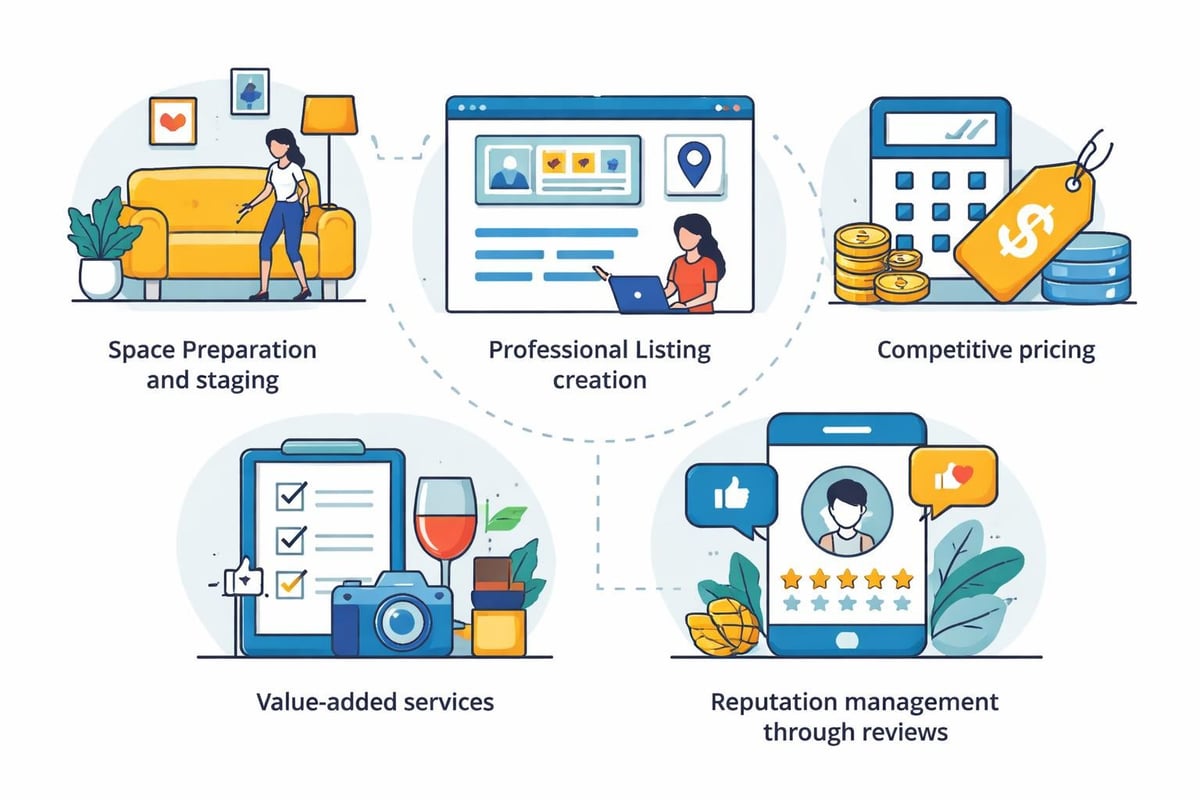
Professional presentation – High-quality photos and detailed descriptions convert browsers to bookers
Positive reviews – Strong ratings build trust and enable price increases
Many successful hosts on the platform treat their listings as a serious freelance service, investing in staging, photography, and responsive communication to maximize bookings.
Getting Started as a Splacer Host
Launching your space rental side hustle requires more than simply uploading photos. Strategic preparation positions your listing for success in a competitive marketplace.
Property Assessment and Preparation
Before creating your listing, evaluate whether your space meets market demands. Walk through your property with fresh eyes, identifying both assets and improvement opportunities.
Essential space requirements:
Minimum square footage appropriate for gatherings (typically 400+ sq ft)
Clean, well-maintained condition with functional utilities
Adequate restroom facilities for expected capacity
Accessibility considerations for diverse guests
Parking or public transportation proximity
Noise tolerance from neighbors or building management
Investing in basic improvements delivers substantial returns. Fresh paint, decluttering, adequate lighting, and creating flexible furniture arrangements make spaces more appealing across event types.
Creating an Effective Listing
Your Splacer listing functions as your sales page, requiring the same attention to detail you’d apply to pricing your freelance services. Professional presentation separates successful hosts from those struggling to book events.
Critical listing components:
Photography quality – Hire a professional photographer or invest in learning proper interior photography techniques
Comprehensive descriptions – Detail every amenity, dimension, capacity, and unique feature
Competitive pricing – Research comparable venues in your area to establish market-appropriate rates
Clear house rules – Specify permitted event types, capacity limits, noise restrictions, and cleanup expectations
Flexible policies – Balanced cancellation and modification terms attract more inquiries
Fast response times – Reply to booking requests within hours to capture committed clients
The company’s LinkedIn presence provides insights into industry standards and best practices for hosts seeking to optimize their listings.

Types of Events and Target Markets
Understanding who books through splacer helps you position your space effectively and identify improvement opportunities that appeal to specific customer segments.
Primary Event Categories
Different event types generate varying revenue potential and operational requirements:
Corporate events represent the most lucrative category, including meetings, training sessions, product launches, and team-building activities. These bookings typically occur during business hours, offer consistent demand, and command premium rates. Corporate clients value reliability, professional presentation, and business-appropriate amenities like high-speed internet and presentation equipment.
Creative productions encompass photography sessions, video shoots, podcast recordings, and content creation. This segment often books for shorter durations but at higher hourly rates. Hosts serving this market benefit from good natural lighting, neutral backgrounds, and minimal acoustic interference.
Social gatherings include birthday parties, baby showers, intimate weddings, and anniversary celebrations. Weekend demand dominates this category, with hosts potentially blocking prime days for higher-paying bookings. These events require flexible furniture arrangements and adequate space for food service.
Fitness and wellness classes represent growing demand, from yoga sessions to dance workshops. These bookings often recur weekly, providing predictable income. Spaces need adequate ceiling height, solid flooring, and climate control.
Maximizing Your Splacer Income
Transitioning from occasional bookings to consistent revenue requires strategic optimization across pricing, marketing, and operations.
Dynamic Pricing Strategies
Successful hosts adjust rates based on demand patterns, similar to strategies used in profitable ecommerce side hustles. Implement tiered pricing that reflects value variations:
Peak pricing for Friday evenings and Saturdays
Discounted rates for weekday daytime bookings
Extended booking incentives offering reduced hourly rates for full-day rentals
Seasonal adjustments capitalizing on holiday demand or accounting for summer slowdowns
Last-minute deals filling calendar gaps with discounted availability
Track your booking patterns quarterly, identifying opportunities to raise rates on high-demand time slots while stimulating bookings during slower periods.
Expanding Your Service Offerings
Value-added services differentiate your listing from competitors while increasing per-booking revenue. Consider these enhancement options:
Add-On Service | Implementation Cost | Additional Revenue | Profit Margin |
|---|---|---|---|
AV equipment rental | $500-2,000 upfront | $50-100 per booking | 70-85% |
Catering coordination | Partnership-based | 10-15% commission | 100% |
Professional cleaning | $50-100 per event | $75-150 markup | 30-50% |
Event planning assistance | Time investment | $100-300 per booking | 90%+ |
Photography services | Partner photographer | 20% referral fee | 100% |
These additions transform a simple space rental into a comprehensive event solution, justifying premium pricing while improving customer satisfaction.
Building a Stellar Reputation
Reviews function as social proof, directly impacting booking conversion rates and enabling rate increases. Customer feedback platforms demonstrate how reputation influences platform success.
Reputation-building tactics:
Exceed expectations through thoughtful touches like welcome signage or complimentary refreshments
Maintain immaculate cleanliness standards that surprise guests
Respond professionally to issues, turning potential negative reviews into demonstrations of excellent service
Follow up after events with personalized thank-you messages
Request reviews from satisfied clients while experiences remain fresh
Feature testimonials in listing descriptions to reinforce positive impressions
Hosts with 4.8+ star ratings and 10+ reviews typically command 25-40% premium pricing compared to newer listings.
Legal and Practical Considerations
Operating a space rental side hustle involves regulatory compliance and risk management that protect your investment and ensure sustainable operations.
Insurance and Liability Protection
Splacer provides host protection insurance, but understanding coverage limitations remains essential. Review your homeowner’s or commercial property insurance policy, as standard policies may exclude commercial activity. Many hosts purchase additional liability coverage specifically for event rentals, typically costing $400-800 annually for $1-2 million in protection.
Risk mitigation strategies include:
Requiring security deposits for larger events or new clients
Implementing clear damage policies with documented pre-event conditions
Restricting certain high-risk activities like cooking with open flames
Maintaining emergency contact information and procedures
Conducting post-event walkthroughs before releasing deposits
Regulatory Compliance
Zoning laws, business licenses, and tax obligations vary by jurisdiction. Research local requirements before launching your splacer listing to avoid penalties or forced closure.
Common regulatory considerations:
Zoning regulations – Verify your property allows commercial event hosting
Business licensing – Obtain required permits for operating an event venue
Tax obligations – Report rental income appropriately and collect applicable sales taxes
HOA restrictions – Review homeowner association rules prohibiting commercial activities
Occupancy limits – Adhere to legal capacity based on square footage and egress options
Consulting with a local attorney or tax professional familiar with the sharing economy provides clarity on your specific obligations.
Comparing Splacer to Alternative Platforms
The event space marketplace includes several competitors, each with distinct features and target audiences. Understanding these differences helps you maximize exposure and revenue.
Platform Comparison Overview
Platform | Primary Focus | Commission Rate | Host Benefits | Best For |
|---|---|---|---|---|
Splacer | Diverse events | 15-20% | Insurance included, marketing support | Urban unique spaces |
Peerspace | Creative productions | 15% | Creative community focus | Photo/video studios |
Venuelust | Corporate events | 10-15% | Business-focused clientele | Professional venues |
Tagvenue | International reach | Varies | Global exposure | Major metro areas |
Direct booking | Full control | 0% | Maximum profit retention | Established hosts |
Many successful hosts maintain presence across multiple platforms while developing direct booking relationships with repeat clients. This diversification strategy, similar to approaches discussed in top freelancing niches, reduces dependency on any single platform while maximizing visibility.
Building Direct Booking Channels
As your reputation grows, transitioning high-value clients to direct bookings eliminates platform commissions. Develop these channels through:
Creating a simple website showcasing your space with direct booking capabilities
Offering returning clients incentives for booking outside the platform
Collecting email addresses for marketing future availability
Networking within event planning communities and corporate event coordinators
Leveraging social media to showcase successful events and attract inquiries
Platform terms of service typically prohibit soliciting direct bookings from clients acquired through their marketplace, so focus these efforts on organic discovery and referrals.
Scaling Your Event Space Business
What begins as a side hustle can evolve into a substantial income stream or full-time business through strategic expansion.
Growth Strategies for Ambitious Hosts
Portfolio expansion involves leasing or managing additional properties specifically for event rentals. Some hosts partner with property owners, offering to list and manage their spaces in exchange for revenue sharing. This approach requires minimal capital while multiplying income potential.
Vertical integration means developing in-house capabilities for services you currently outsource or refer. Hiring a dedicated event coordinator, purchasing quality AV equipment, or establishing catering partnerships increases per-event profitability while improving customer experience.
Specialization positioning focuses your marketing on specific event types where your space excels. Becoming known as the premier photography studio or top corporate training venue in your area commands premium pricing and generates referral momentum.
Time Investment and Passive Income Potential
The Splacer side hustle requires varying time commitments depending on your operational approach:
Active management (10-15 hours weekly) – Personal client communication, event supervision, setup/breakdown
Semi-passive (5-8 hours weekly) – Automated booking systems, hired cleaning/setup staff, minimal personal involvement
Fully passive (2-4 hours weekly) – Professional property manager handles all operations for percentage of revenue
Most hosts begin with active management, gradually systematizing operations as booking volume justifies hiring support staff. The platform’s infrastructure handles significant operational burden, making this more passive than many side hustles once systems are established.
Real Success Stories and Income Examples
Examining actual host experiences provides realistic expectations and actionable insights for newcomers to the platform.
Urban Loft Host Case Study
Maria converted her 1,200-square-foot Brooklyn loft into a profitable event space in 2023. Initially booking 3-4 events monthly at $125/hour, she earned approximately $1,500 monthly. After implementing professional photography, adding presentation equipment, and actively soliciting reviews, her bookings increased to 12-15 events monthly at $175/hour, generating $8,400-10,500 monthly by late 2025.
Key success factors:
Invested $2,000 in professional staging and photography
Developed relationships with local event planners who became repeat clients
Created package deals for recurring workshops and classes
Hired a cleaning service to streamline turnover between events
Commercial Space Conversion
James leased a 2,500-square-foot ground-floor commercial space specifically for event rentals in Austin, Texas. His monthly lease costs $3,200, with additional utilities and insurance totaling $800. Charging $250/hour and booking 50-60 hours monthly, he generates $12,500-15,000 in gross revenue, netting $8,500-11,000 after expenses.
This approach demonstrates how dedicated event spaces can generate full-time income when operated in high-demand markets with professional management.
Common Challenges and Solutions
Understanding potential obstacles helps you prepare effective responses rather than encountering unexpected setbacks.
Addressing Frequent Host Concerns
Low initial bookings frustrate new hosts, but patience combined with optimization typically resolves this challenge. Focus on competitive pricing for your first 5-10 events to build reviews quickly, then gradually increase rates as your reputation strengthens.
Difficult clients occasionally arise, requiring professional boundaries and clear communication. Document all agreements, maintain detailed house rules, and address concerns promptly but firmly. Most issues stem from unclear expectations rather than intentional misconduct.
Seasonal fluctuations affect demand in many markets, with summer and holiday periods showing different patterns than other seasons. Plan financially for slower months while capitalizing on peak periods through premium pricing and maximum availability.
Property wear and maintenance represent ongoing costs that successful hosts budget proactively. Set aside 15-20% of gross revenue for repairs, deep cleaning, and periodic upgrades that maintain your space’s competitive appeal.
The venture analysis of Splacer’s business model provides broader context for understanding the platform’s evolution and market position.
Technology and Tools for Success
Efficient operations rely on leveraging technology that automates routine tasks while enhancing customer experience.
Essential Host Tools
Calendar management prevents double-bookings and simplifies availability tracking. Synchronize your splacer calendar with personal schedules using tools like Google Calendar or specialized event management platforms.
Communication templates standardize responses to common inquiries while maintaining personalization. Create saved responses for booking confirmations, event reminders, check-in instructions, and follow-up thank-you messages.
Financial tracking software organizes income, expenses, and tax documentation. Solutions like QuickBooks Self-Employed or Wave cater specifically to freelancers and side hustlers, simplifying quarterly tax preparation.
Smart home technology enhances security and operational efficiency through keyless entry systems, security cameras, and environmental controls manageable remotely.
These technological investments parallel tools recommended for best freelance platforms, enabling professional operations at scale.
Marketing Your Splacer Listing Beyond the Platform
While the Splacer platform provides built-in discovery, proactive marketing accelerates booking growth and builds direct client relationships.
Effective Promotion Tactics
Social media showcases your space through behind-the-scenes content, successful event highlights, and client testimonials. Instagram and LinkedIn prove particularly effective for reaching event planners and corporate coordinators.
Local networking within event industry groups, chambers of commerce, and business associations generates referrals and direct inquiries. Attend events, sponsor local gatherings, and build relationships with complementary service providers like caterers, photographers, and entertainers.
Content marketing through blog posts or videos about event planning tips, showcasing your neighborhood’s attractions, or highlighting successful client stories establishes authority while improving search visibility.
Strategic partnerships with event planners, corporate HR departments, and creative agencies create consistent referral channels worth more than individual bookings.
The Splacer platform represents a legitimate opportunity to monetize underutilized space through the growing demand for flexible, unique event venues. Success requires thoughtful preparation, professional presentation, and consistent operational excellence, but the income potential justifies the effort for property owners in suitable markets. Whether you’re exploring flexible income options or building a comprehensive freelance portfolio, Side Hustle Hackers provides the practical guidance, honest reviews, and proven strategies you need to launch and grow profitable online income streams.


