

Accounting professionals possess a unique combination of technical skills, analytical thinking, and industry knowledge that makes them exceptionally well-positioned to earn extra income outside their primary employment. Whether you're a CPA looking to diversify your revenue streams or a bookkeeper seeking financial flexibility, pursuing an accountant side hustle can transform your specialized expertise into substantial supplemental earnings. The financial skills you've developed throughout your career are in constant demand across businesses of all sizes, creating numerous opportunities to monetize your knowledge on your own terms and schedule.
Why Accountants Make Excellent Side Hustlers
Accountants bring several competitive advantages to the side hustle landscape that other professionals simply don't possess. Your understanding of financial systems, regulatory compliance, and tax implications gives you immediate credibility with potential clients.
Key advantages accountants have:
- High-value skills: Financial expertise commands premium rates in the marketplace
- Flexible work: Most accounting tasks can be completed remotely and asynchronously
- Recurring revenue: Many services require ongoing monthly or quarterly engagement
- Low startup costs: Minimal equipment or software investment required beyond what you already use
- Built-in networking: Existing professional connections provide immediate client opportunities
The ability to leverage your accounting knowledge in freelancing niches positions you ahead of general freelancers who lack specialized financial training. This expertise barrier to entry protects your earning potential and reduces direct competition.

Freelance Bookkeeping Services
Freelance bookkeeping represents one of the most accessible and profitable accountant side hustle options available in 2026. Small businesses and entrepreneurs desperately need financial record-keeping but can't justify hiring a full-time accountant.
Getting Started with Bookkeeping Clients
You can begin offering bookkeeping services immediately with minimal setup. Most clients need basic services like transaction categorization, bank reconciliation, and monthly financial statements. FreeAgent highlights several side hustles for accountants that leverage this exact skillset.
Essential bookkeeping service offerings:
- Monthly transaction recording and categorization
- Bank and credit card reconciliation
- Accounts payable and receivable management
- Financial statement preparation
- QuickBooks or Xero setup and training
Pricing typically ranges from $300 to $1,500 per month per client depending on transaction volume and complexity. Landing just three to five clients can generate $1,000 to $5,000 in monthly recurring revenue.
Tools and Software Requirements
Modern cloud-based accounting platforms make remote bookkeeping incredibly efficient. QuickBooks Online, Xero, FreshBooks, and Wave provide everything needed to manage multiple clients from anywhere.
| Platform | Monthly Cost | Best For | Key Features |
|---|---|---|---|
| QuickBooks Online | $30-$200 | Established businesses | Comprehensive reporting, payroll integration |
| Xero | $13-$70 | Growing companies | Beautiful interface, unlimited users |
| FreshBooks | $17-$55 | Service businesses | Time tracking, project management |
| Wave | Free-$16 | Startups and solopreneurs | No monthly fee, receipt scanning |
Tax Preparation and Planning
Tax season creates massive demand for qualified professionals who can navigate complex regulations. Offering tax preparation as an accountant side hustle allows you to capitalize on seasonal peaks while maintaining flexibility throughout the year.
Seasonal Tax Preparation
The period from January through April generates concentrated income opportunities. Individual tax returns typically command $200 to $500 per return, while small business returns range from $500 to $2,000 depending on complexity.
According to Becker’s guide to accounting side hustles, tax preparation remains one of the highest-earning options for accounting professionals. The specialized knowledge required creates natural barriers to competition.
Steps to launch tax preparation services:
- Obtain necessary credentials (PTIN, EA, or CPA license)
- Invest in professional tax software (Drake, ProSeries, Lacerte)
- Set up secure document collection systems
- Establish clear pricing structures
- Market services through local business networks
Year-Round Tax Planning
Beyond seasonal preparation, ongoing tax planning provides continuous value to clients. Business owners and high-income individuals need strategic guidance on estimated payments, deduction optimization, and retirement planning.
Monthly retainer arrangements for tax planning typically range from $200 to $1,000 depending on client complexity. This transforms a seasonal accountant side hustle into year-round income.
Financial Consulting and Advisory
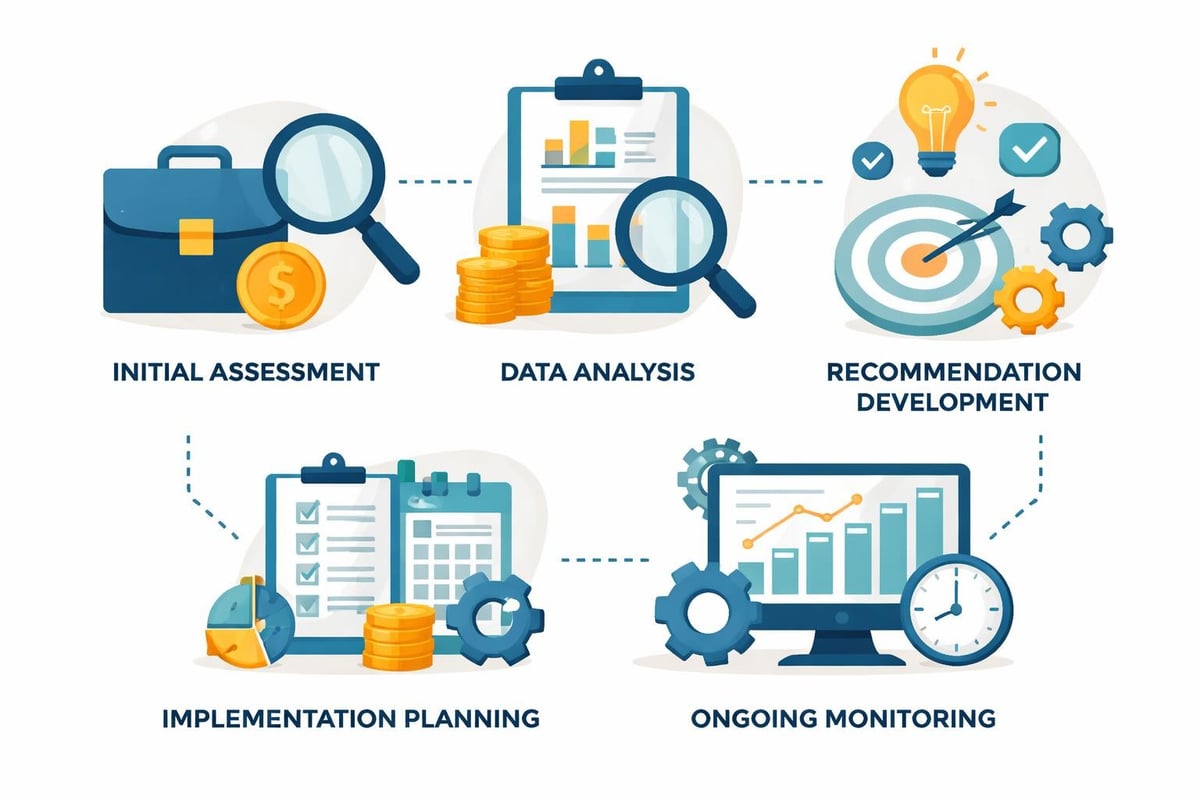
Your analytical skills and industry experience make you valuable as a strategic advisor. Small business owners regularly face financial decisions where professional guidance could save or earn them thousands of dollars.
Business Financial Analysis
Companies need help interpreting their financial data to make informed decisions. Services might include profitability analysis by product line, pricing strategy development, or cash flow forecasting.
High-value consulting services:
- Break-even analysis and pricing recommendations
- Cash flow projection and working capital optimization
- Financial dashboard creation and KPI tracking
- Budgeting and variance analysis
- Financial modeling for expansion or investment decisions
Consulting rates for accounting professionals typically range from $75 to $250 per hour based on expertise and market. Project-based pricing for comprehensive analyses can reach $2,000 to $10,000 for strategic engagements.
Startup Financial Services
New businesses desperately need guidance on entity selection, accounting system setup, and financial projections. Build Your Firm discusses strategic side hustles that accounting professionals can incorporate into their service offerings.
Startup packages bundling entity formation advice, bookkeeping system setup, and first-year financial guidance typically sell for $1,500 to $5,000. These relationships often convert into long-term bookkeeping or tax clients.
Online Course Creation and Teaching
Sharing your knowledge through educational content creates passive income potential while establishing your expertise. The demand for accounting and finance education continues growing as more people pursue entrepreneurship.
Developing Accounting Courses
Platforms like Teachable, Udemy, and Skillshare make course creation accessible. Topics might include QuickBooks training, tax basics for freelancers, or bookkeeping fundamentals for small business owners.
Popular course topics for accountants:
- Bookkeeping basics for entrepreneurs
- Tax deduction strategies for self-employed individuals
- Financial statement interpretation
- Accounting software tutorials
- Personal finance and budgeting systems
Successful courses can generate $500 to $5,000 monthly once established. While creation requires upfront time investment, courses continue selling with minimal ongoing effort. Taxfyle explores various income opportunities including educational content creation.
Tutoring and Coaching
One-on-one tutoring for accounting students or coaching for professionals pursuing certifications commands premium rates. CPA exam tutoring typically ranges from $50 to $150 per hour.
Virtual tutoring platforms and local universities provide ready access to students needing assistance. Marketing through LinkedIn and professional networks attracts adult learners seeking career advancement.
Writing and Content Creation
Your technical expertise makes you valuable to publications, businesses, and marketing agencies needing financial content. This accountant side hustle offers complete location independence and flexible scheduling.
Freelance Financial Writing
Businesses need blog posts, whitepapers, and educational content explaining financial concepts. Technology companies, financial service providers, and business publications regularly hire accounting professionals as subject matter experts.
Content types in demand:
- Financial blog posts and articles
- Tax guides and educational resources
- Industry analysis and trend reports
- Case studies and success stories
- Email newsletters and drip campaigns
Rates vary significantly based on complexity and client budget. Blog posts might earn $100 to $500 each, while comprehensive whitepapers command $1,000 to $5,000. Building relationships with consistent clients creates predictable monthly income.
Newsletter and Blog Monetization
Creating your own financial newsletter or blog builds an audience while generating multiple revenue streams. Monetization comes through advertising, affiliate partnerships, sponsored content, and paid subscriptions.
This approach requires patience as audience growth takes time. However, established financial newsletters with several thousand subscribers can generate $2,000 to $10,000 monthly through combined revenue sources.

Managing Your Accountant Side Hustle
Successfully balancing your primary career with additional income streams requires systems and boundaries. The most profitable accountant side hustle fails if it creates burnout or professional conflicts.
Time Management Strategies
Allocate specific time blocks for side hustle work rather than attempting to fill every spare moment. Many accounting professionals dedicate evenings, weekends, or specific weekdays to their additional ventures.
Effective scheduling approaches:
- Block calendar time just as you would client meetings
- Set maximum weekly hours to prevent overcommitment
- Use project management tools to track deliverables
- Automate repetitive tasks wherever possible
- Batch similar activities for efficiency
Start conservatively with one or two clients before expanding. The goal is sustainable additional income, not immediate burnout.
Financial and Tax Considerations
As CNBC advises regarding side hustle finances, maintaining accurate records from day one simplifies tax compliance and business management. Your accounting background gives you advantages here, but treat your own finances with the same professionalism you provide clients.
| Tax Consideration | Action Required | Deadline/Frequency |
|---|---|---|
| Business entity selection | Choose sole proprietorship, LLC, or S-corp | Before earning income |
| Estimated tax payments | Calculate and submit quarterly payments | April 15, June 15, Sept 15, Jan 15 |
| Expense tracking | Record all business-related costs | Ongoing |
| Mileage logs | Document business travel | Per occurrence |
| Income documentation | Save all payment records | Ongoing |
Separate business and personal finances immediately. Open dedicated accounts even for side activities to maintain clear boundaries and simplified tracking. The Associated Press outlines essential steps for treating side gigs professionally.
Client Acquisition and Marketing
Your professional network provides the fastest path to initial clients. Colleagues, former employers, and industry connections often know businesses needing your exact services.
Client generation strategies:
- Inform your network about services offered
- Join local business organizations and chambers of commerce
- Create a professional website showcasing expertise
- Leverage LinkedIn for content sharing and connection
- Ask satisfied clients for referrals and testimonials
Many accountants find their most profitable clients through referrals rather than cold marketing. Delivering exceptional service to early clients creates organic growth through word-of-mouth recommendations.
Scaling Your Income Potential
The most successful accountant side hustle ventures eventually grow beyond trading time for money. Transitioning to leveraged models multiplies earning potential without proportionally increasing work hours.
Productizing Your Services
Creating standardized service packages with fixed pricing allows you to work more efficiently. Instead of custom proposals for each client, offer defined tiers meeting common needs.
Example service tiers:
- Basic Package: Monthly bookkeeping and financial statements ($500/month)
- Growth Package: Bookkeeping, quarterly tax planning, KPI tracking ($1,200/month)
- Premium Package: Full CFO services including forecasting and strategic planning ($2,500/month)
This clarity helps clients self-select appropriate services while you maintain predictable workflows. Exploring various side hustle opportunities reveals patterns of successful service packaging.
Building Team and Systems
Once client demand exceeds your available hours, hiring subcontractors or junior accountants extends your capacity. You maintain client relationships and quality oversight while delegating execution.
Virtual assistants can handle administrative tasks like appointment scheduling, invoice generation, and basic client communication. This frees your time for higher-value activities only you can perform.
Technology and Automation
Modern accounting technology automates significant portions of traditional workflows. Bank feed automation, receipt scanning apps, and AI-powered categorization reduce manual data entry dramatically.
Investing time in proper system setup pays ongoing dividends. Templates for common documents, standardized client onboarding processes, and automated reporting save hours each week.
Legal and Professional Considerations
Operating an accountant side hustle requires attention to regulatory requirements and professional obligations. Your credentials and reputation represent valuable assets requiring protection.
Licensing and Insurance
Verify that your side activities comply with state board regulations governing your credentials. Some jurisdictions require public accounting licenses for specific services or impose restrictions on outside employment.
Professional liability insurance becomes essential when providing paid financial services. Errors and omissions coverage protects your personal assets if clients claim financial harm from your advice.
Ethical Boundaries
Maintain clear separation between your employer's interests and your independent practice. Never solicit your employer's clients, use proprietary information, or create conflicts of interest.
Most employment agreements include provisions about outside business activities. Review your contract and obtain necessary approvals before launching client-facing services. Transparency prevents future complications.
Client Agreements and Documentation
Written engagement letters protect both you and clients by clearly defining scope, deliverables, and responsibilities. Standard contracts should address payment terms, confidentiality, limitation of liability, and termination provisions.
Understanding proper business structure helps avoid common pitfalls when establishing professional services. Even side activities benefit from formal business practices.
Maximizing Profitability
The difference between a modestly profitable accountant side hustle and genuinely lucrative venture often comes down to strategic choices about clients, services, and pricing.
Premium Pricing Strategies
Your expertise justifies rates significantly above general bookkeepers or non-credentialed service providers. Position yourself as the professional choice for clients who value quality and credentials over bargain pricing.
Clients seeking the cheapest option rarely become your best customers. They demand excessive time, question every invoice, and switch providers for minimal savings. Target clients who appreciate expertise and pay accordingly.
Niche Specialization
Focusing on specific industries or client types allows you to develop deep expertise and efficient systems. Becoming the go-to accountant for restaurants, medical practices, or e-commerce businesses commands premium rates.
Industry specialization also simplifies marketing. You understand client pain points, speak their language, and network in focused communities. For those just starting out, exploring beginner-friendly side hustles can provide initial revenue while building specialized expertise.
Value-Based Pricing
Shift from hourly billing to value-based pricing wherever possible. When your tax strategy saves a client $10,000, your fee should reflect that value rather than just the hours invested.
Project-based and retainer pricing also creates more predictable income for you while removing the ceiling on earning potential. Becoming more efficient doesn't decrease revenue as it does with hourly rates.
Building Long-Term Success
The most valuable accountant side hustle evolves into a sustainable business providing financial security and professional satisfaction. Strategic planning turns short-term extra income into long-term wealth building.
Creating Systems and Processes
Document your workflows, create templates, and standardize operations. This preparation enables easier scaling and potentially transforms your side venture into a sellable asset.
Client onboarding checklists, service delivery procedures, and communication templates ensure consistent quality regardless of workload. Systems also make delegation possible when ready to expand.
Continuous Skill Development
Invest in continuing education beyond mandatory CPE requirements. Emerging areas like cryptocurrency taxation, international compliance, and forensic accounting create specialized opportunities with less competition.
Technology proficiency also differentiates you from competitors. Mastering advanced features in accounting platforms or learning data analytics tools adds service capabilities commanding premium rates.
Exit Strategy and Growth Options
Consider your long-term vision for the accountant side hustle. Some professionals maintain modest additional income indefinitely. Others grow their ventures into full practices, eventually transitioning from employee to business owner.
Both paths offer validity. Clarifying your goals helps make strategic decisions about growth, hiring, and time investment. Your side hustle should serve your broader life and career objectives.
Building a profitable accountant side hustle transforms your financial expertise into diversified income streams while maintaining career flexibility and security. Whether you choose bookkeeping, consulting, content creation, or multiple revenue sources, your specialized knowledge positions you for success in 2026's evolving marketplace. Side Hustle Hackers provides the practical resources, honest reviews, and proven strategies you need to discover legitimate opportunities, launch your venture confidently, and build sustainable income beyond your primary career.


