
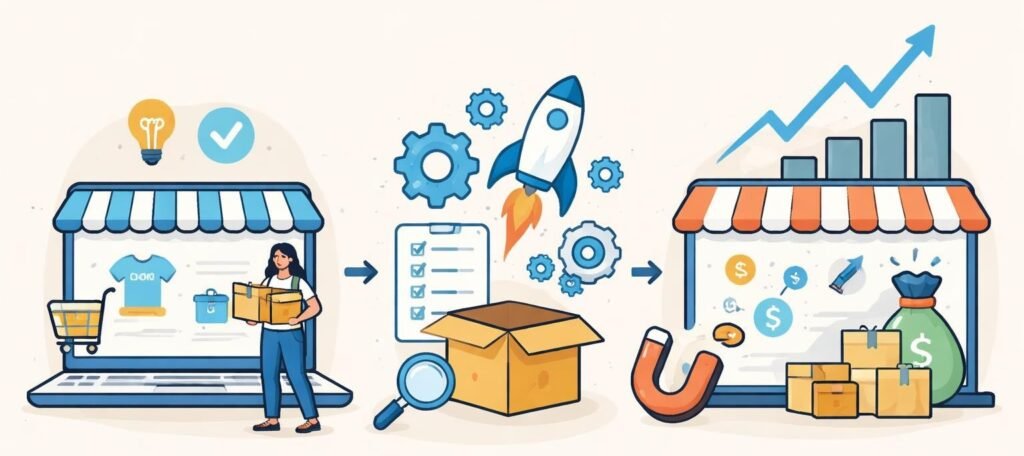
Starting an ecommerce side hustle has become one of the most accessible ways to build real online income in 2026. Unlike traditional business models that require significant capital and resources, modern ecommerce platforms enable anyone to launch an online store with minimal upfront investment. Whether you’re looking to supplement your full-time income or testing the waters of entrepreneurship, an ecommerce side hustle offers flexibility, scalability, and the potential for passive revenue streams that work even while you sleep.
Understanding the Ecommerce Side Hustle Landscape
The ecommerce industry continues to evolve rapidly, creating unprecedented opportunities for side hustlers who understand current market dynamics. Ecommerce sales are projected to exceed $7 trillion globally in 2026, representing a massive opportunity for entrepreneurs willing to carve out their niche. The barrier to entry has never been lower, with platforms like Shopify, Etsy, and Amazon making it possible to launch a store in hours rather than weeks.
What makes an ecommerce side hustle particularly attractive is its compatibility with existing work schedules. You can manage inventory, process orders, and communicate with customers during evenings and weekends. Many successful side hustlers dedicate just 10-15 hours weekly to their ecommerce ventures, strategically automating repetitive tasks to maximize efficiency.
Key Benefits of Ecommerce Side Hustles
Building an online store as a side venture delivers several compelling advantages over traditional side hustles:
- Low startup costs compared to brick-and-mortar businesses
- Location independence allowing you to work from anywhere
- Scalable revenue potential without proportional time investment
- Flexible scheduling that fits around your primary commitments
- Diverse business models from dropshipping to print-on-demand
- Data-driven insights through built-in analytics tools
The economics of ecommerce side hustles have improved dramatically. Where entrepreneurs once needed thousands of dollars for inventory, modern fulfillment solutions enable you to start with zero upfront product costs. This shift has democratized entrepreneurship, allowing people from all financial backgrounds to participate in the digital economy.
Choosing Your Ecommerce Business Model
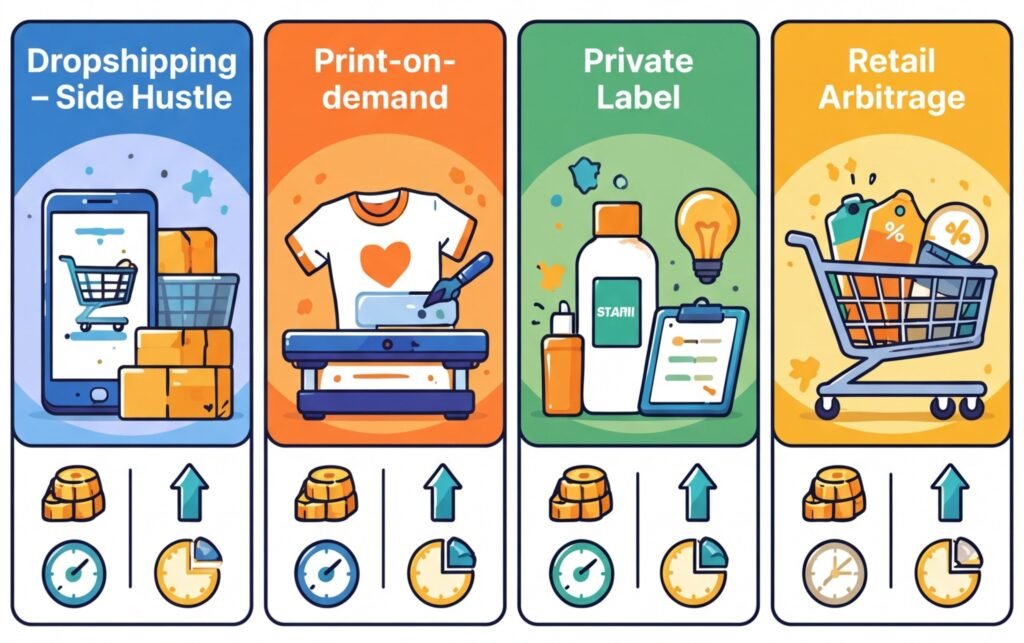
Selecting the right business model represents your first critical decision when launching an e-commerce side hustle. Each approach offers distinct advantages, challenges, and capital requirements. Your choice should align with your available budget, time commitment, and long-term business goals.
Dropshipping: The Low-Risk Entry Point
Dropshipping remains one of the most popular ecommerce side hustle models for beginners. You market and sell products without ever touching inventory. When customers place orders, your supplier ships directly to them. This model minimizes financial risk while allowing you to test multiple product categories quickly.
Advantages include:
- Zero inventory investment required
- No warehouse or storage needs
- Easy to test new products and niches
- Minimal overhead costs
Challenges to consider:
- Lower profit margins (typically 15-25%)
- Less control over shipping times
- Quality control difficulties
- High competition in popular niches
Print-on-Demand: Creative Expression Meets Commerce
Print-on-demand services allow you to sell customized products like t-shirts, mugs, phone cases, and wall art without holding inventory. You create designs, upload them to platforms like Printful or Printify, and earn profit on each sale. This model works exceptionally well for designers, artists, and content creators with existing audiences.
The beauty of print-on-demand lies in its creative freedom. You can launch new designs weekly, test different concepts, and build a brand around your unique aesthetic. Many successful side hustlers combine this with top freelancing niches to diversify their income streams.
Private Label: Building Your Brand
Private labeling involves sourcing generic products from manufacturers, adding your branding, and selling them under your own label. This approach requires more capital and planning but offers significantly higher profit margins and brand-building opportunities. You maintain greater control over product quality, packaging, and customer experience.
| Business Model | Startup Cost | Profit Margin | Time Investment | Skill Level |
|---|---|---|---|---|
| Dropshipping | $100-$500 | 15-25% | 10-15 hrs/week | Beginner |
| Print-on-Demand | $50-$300 | 20-35% | 8-12 hrs/week | Beginner |
| Private Label | $1,000-$5,000 | 35-50% | 15-20 hrs/week | Intermediate |
| Retail Arbitrage | $500-$2,000 | 25-40% | 12-18 hrs/week | Intermediate |
Finding Your Profitable Niche
Niche selection can make or break your ecommerce side hustle. Rather than competing in oversaturated markets, successful side hustlers identify underserved micro-niches where they can establish authority and command premium prices. The sweet spot lies at the intersection of market demand, personal interest, and limited competition.
Research-Driven Niche Selection
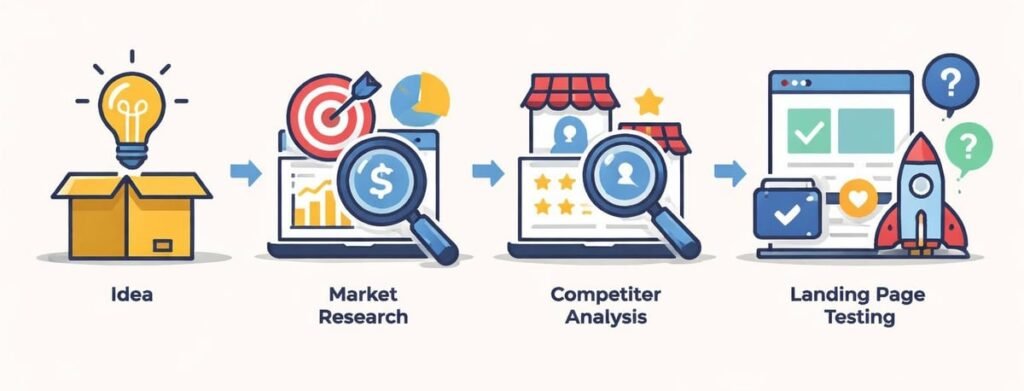
Start by analyzing market trends using tools like Google Trends, Amazon Best Sellers, and social media listening. Look for products with consistent search volume that haven’t reached peak saturation. Consider exploring affordable e-commerce side hustles that align with your interests and expertise.
Effective niche research involves:
- Identifying passionate communities through Reddit, Facebook groups, and forums
- Analyzing competitor pricing to understand market expectations
- Evaluating profit potential after accounting for all costs
- Testing demand through social media ads before committing
- Assessing long-term viability rather than chasing temporary trends
Problem-solving products consistently outperform novelty items. Focus on products that address specific pain points or fulfill genuine needs within your target market. The most sustainable ecommerce side hustles solve real problems for defined customer segments.
Validating Your Product Ideas
Before investing significant time or money, validate your product concepts through low-cost testing. Create landing pages describing your proposed products and drive targeted traffic through social media ads. A conversion rate above 2% typically indicates viable demand worth pursuing further.
You can also test products through passive income streams like affiliate marketing before committing to inventory. This approach minimizes risk while providing valuable market insights.
Setting Up Your Online Store
Technical setup has become remarkably straightforward in 2026, with platforms offering increasingly intuitive interfaces and powerful features. Your platform choice impacts everything from transaction fees to available integrations, so evaluate options carefully based on your specific business model and growth plans.
Platform Comparison and Selection
Shopify remains the market leader for standalone stores, offering comprehensive features, extensive app ecosystem, and reliable infrastructure. Plans start at $39 monthly, making it accessible for serious side hustlers. The platform handles everything from payment processing to inventory management, allowing you to focus on marketing and customer service.
Etsy excels for handmade, vintage, and creative products. The built-in marketplace provides immediate access to millions of potential customers. However, you’ll face more competition and less brand control compared to standalone stores. Listing fees run $0.20 per item, plus 6.5% transaction fees.
Amazon FBA offers unparalleled reach and fulfillment infrastructure. You send inventory to Amazon warehouses, and they handle storage, packing, and shipping. This model works well for products with proven demand but requires careful attention to fees that can consume 30-40% of revenue.
Essential Store Elements
Regardless of platform, your ecommerce side hustle requires certain foundational elements:
- Professional product photography showcasing items from multiple angles
- Compelling product descriptions addressing benefits over features
- Clear shipping and return policies building customer confidence
- Mobile-optimized design capturing smartphone shoppers
- Secure payment processing through trusted gateways
- Email capture mechanisms for building customer lists
Invest time in creating high-quality product listings. Poor photography and weak descriptions cost you sales regardless of how great your products are. Many successful side hustlers outsource professional photography, recognizing it as essential rather than optional.
Marketing Your Ecommerce Side Hustle
Building a store represents just the beginning. Without consistent traffic, even the best products languish unseen. Successful ecommerce side hustles implement multi-channel marketing strategies that combine paid advertising, organic content, and community building to drive sustainable customer acquisition.
Organic Traffic Strategies
Search engine optimization (SEO) delivers free, qualified traffic when implemented correctly. Optimize product titles, descriptions, and meta tags for relevant keywords. Create valuable content through blogs, buying guides, and tutorials that attract potential customers during their research phase. This approach requires patience but builds compounding returns over time.
Social media marketing provides direct access to target audiences. Platforms like Instagram, TikTok, and Pinterest work exceptionally well for visual products. Share behind-the-scenes content, customer testimonials, and educational posts that build community rather than just promoting products. Similar to finding freelance clients, building authentic relationships converts better than hard selling.
Paid Advertising Fundamentals
Start with modest advertising budgets ($10-20 daily) while learning platform mechanics. Facebook and Instagram ads offer sophisticated targeting options enabling precise audience reach. Test multiple ad creatives, copy variations, and audience segments to identify winning combinations.
Key advertising metrics to monitor:
| Metric | Target Range | Significance |
|---|---|---|
| Click-Through Rate | 1.5-3% | Ad relevance and appeal |
| Cost Per Click | $0.50-$2.00 | Budget efficiency |
| Conversion Rate | 2-4% | Landing page effectiveness |
| Return on Ad Spend | 3:1 minimum | Overall profitability |
| Customer Acquisition Cost | Under 30% of LTV | Long-term sustainability |
Track these metrics religiously. Profitable ecommerce side hustles make data-driven decisions rather than operating on assumptions. Adjust campaigns based on performance, ruthlessly cutting underperforming ads while scaling winners.
Managing Operations Efficiently
Time management separates successful ecommerce side hustles from those that burn out their founders. Since you’re balancing this venture alongside other commitments, operational efficiency becomes paramount. Strategic automation and delegation enable you to scale revenue without proportionally increasing time investment.
Automation Tools and Systems
Modern ecommerce platforms offer extensive automation capabilities. Set up email sequences that welcome new subscribers, recover abandoned carts, and request reviews from satisfied customers. These automated touchpoints generate sales and build customer relationships without manual intervention.
Inventory management tools prevent stockouts and overselling across multiple sales channels. Customer service chatbots handle common questions instantly, reducing response times while freeing your schedule. Order fulfillment automation routes orders to suppliers or fulfillment centers without manual processing.
Consider exploring AI tools that help freelancers work smarter as many apply equally well to ecommerce operations. These technologies handle repetitive tasks, allowing you to focus on strategy and growth.
Time-Blocking for Side Hustle Success
Dedicate specific time blocks to different aspects of your ecommerce side hustle. Monday evenings might focus on product research and sourcing, while Wednesday mornings handle customer service and order processing. This structured approach prevents your side hustle from consuming all available time while ensuring consistent progress.
Many successful entrepreneurs follow beginner-friendly e-commerce side hustle ideas that emphasize sustainable growth over rapid scaling. Building systematically creates durable businesses rather than flash-in-the-pan ventures that collapse under operational stress.

Scaling Your Side Hustle
Once you’ve established consistent profitability, strategic scaling transforms your ecommerce side hustle from supplemental income into substantial revenue. Transforming an e-commerce side hustle into a full-fledged company requires deliberate planning and execution rather than haphazard growth.
Revenue Reinvestment Strategies
Plow profits back into advertising, inventory, and infrastructure rather than immediately drawing all earnings. This reinvestment accelerates growth, particularly during your first 12-18 months. Many successful ecommerce entrepreneurs maintain lean personal draws while building business assets and customer bases.
Smart reinvestment priorities include:
- Increasing advertising budgets on profitable campaigns
- Expanding product lines within proven niches
- Hiring virtual assistants for time-consuming tasks
- Improving product quality and customer experience
- Building email lists through lead magnets and content
Expanding Product Offerings
Product diversification reduces risk while increasing average order values. Introduce complementary products that appeal to existing customers. Bundle related items at slight discounts to encourage larger purchases. Survey your customer base to understand what additional products they’d purchase from you.
Similar to strategies for managing a successful e-commerce business on the side, focus on systematic growth rather than chaotic expansion. Each new product should align with your brand identity and serve your core customer base.
Financial Management and Taxes
Proper financial management prevents common pitfalls that derail promising ecommerce side hustles. Separate business and personal finances from day one, even if you’re operating as a sole proprietor. This separation simplifies bookkeeping, tax preparation, and financial analysis while protecting personal assets.
Tracking Income and Expenses
Use dedicated accounting software like QuickBooks or Wave to record all transactions. Track every expense, no matter how small. Those $3 packing supplies and $12 shipping costs add up quickly, and meticulous record-keeping maximizes deductible expenses while minimizing tax liability.
Common deductible expenses include:
- Product costs and shipping fees
- Platform fees and payment processing charges
- Advertising and marketing expenses
- Home office space (if applicable)
- Professional services like photography and accounting
- Software subscriptions and business tools
Tax Considerations
Ecommerce side hustles generate self-employment income subject to different tax treatment than wages. Set aside 25-30% of profits for tax obligations, including income tax and self-employment tax. Consider quarterly estimated tax payments if you expect to owe over $1,000 annually.
Consult with a tax professional familiar with ecommerce businesses. They’ll identify overlooked deductions and ensure compliance with sales tax requirements across different jurisdictions. The investment in professional advice typically pays for itself through tax savings and peace of mind.
Building Long-Term Customer Relationships
Customer acquisition costs continue rising across all ecommerce channels. The most profitable businesses focus on customer retention, recognizing that repeat customers deliver substantially higher lifetime values than one-time buyers. Building genuine relationships transforms transactional interactions into ongoing partnerships.
Email Marketing Excellence
Your email list represents your most valuable business asset. Unlike social media followers controlled by platform algorithms, email subscribers provide direct access to interested customers. Send valuable content, exclusive offers, and personalized recommendations rather than constant sales pitches.
Segment your list based on purchase history, browsing behavior, and engagement levels. Customers who bought hiking boots receive different content than those who purchased running shoes. This personalization increases relevance while improving conversion rates across all campaigns.
Customer Service as Competitive Advantage
Exceptional service differentiates your ecommerce side hustle in crowded markets. Respond to inquiries within 24 hours, preferably much faster. Address problems proactively rather than waiting for complaints. Include handwritten thank-you notes or unexpected bonuses in shipments to create memorable experiences.
These touches cost little but generate tremendous goodwill. Satisfied customers become brand advocates, sharing positive experiences with friends and family. Word-of-mouth marketing remains the most credible and cost-effective customer acquisition channel available.
Common Challenges and Solutions
Every ecommerce side hustle encounters obstacles. Anticipating common challenges allows you to develop contingency plans rather than reacting desperately when problems arise. Successful entrepreneurs view challenges as learning opportunities rather than insurmountable barriers.
Managing Cash Flow
Cash flow challenges plague growing ecommerce businesses. You need capital to purchase inventory before customers pay, creating timing mismatches. Maintain adequate cash reserves covering at least 2-3 months of operating expenses. Consider business credit lines for managing inventory purchases without depleting personal savings.
Monitor cash flow weekly rather than monthly. This frequency allows early detection of concerning trends before they become critical problems. Slow-paying customers or delayed supplier shipments impact cash availability, requiring proactive management.
Dealing with Competition
Competition intensifies across all ecommerce categories. Rather than competing solely on price, differentiate through superior service, unique product variations, or specialized expertise. Build genuine communities around your brand where customers connect with you and each other.
Learning from experiences like when an ecommerce side hustle becomes real helps you navigate the transition from hobby to serious business. These real-world insights prove invaluable when facing growth decisions.
Balancing Multiple Commitments
Juggling an ecommerce side hustle alongside full-time work and personal obligations requires discipline and boundaries. Communicate clearly with family and friends about your commitments. Set realistic expectations about available time, avoiding overcommitment that leads to burnout.
Remember that sustainable businesses develop gradually. You’re building long-term assets rather than pursuing get-rich-quick schemes. Similar to exploring best side hustles to start with $0, success comes from consistent effort rather than sporadic intensity.
Building a profitable ecommerce side hustle requires strategic planning, consistent execution, and willingness to learn from both successes and setbacks. The opportunities available in 2026 exceed those of any previous era, with technology enabling entrepreneurs to launch and scale businesses from anywhere with internet access. Whether you’re exploring best side hustles to make money or ready to commit to ecommerce specifically, the fundamentals remain the same: solve real problems for defined audiences while delivering exceptional value. Side Hustle Hackers provides the practical guidance, honest reviews, and community support you need to transform your ecommerce ideas into sustainable income streams that grow alongside your ambitions.


