
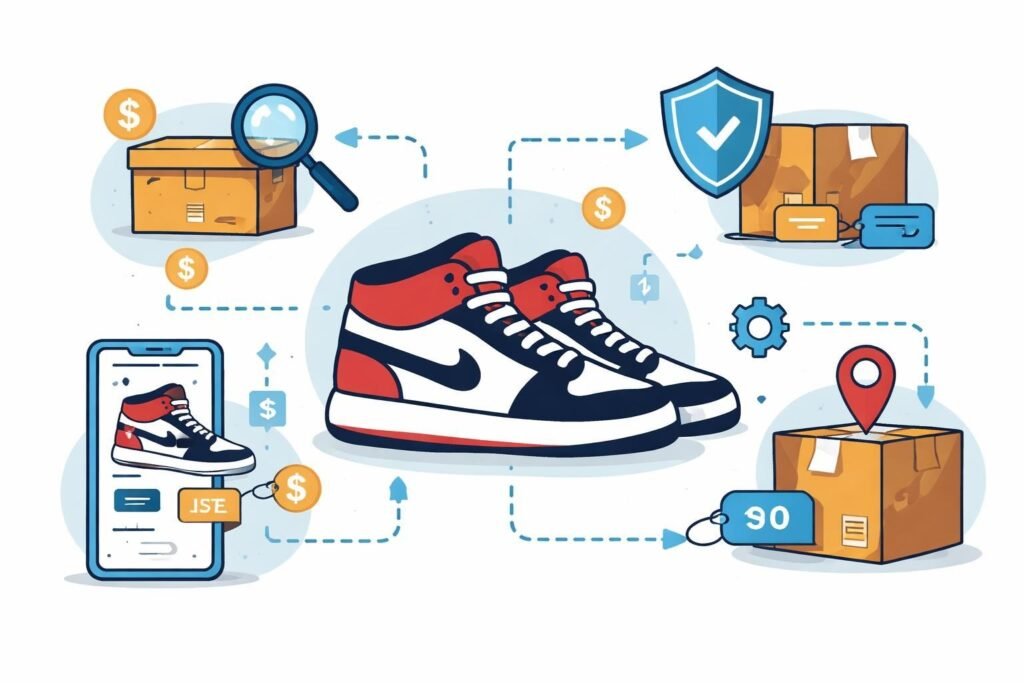
The sneaker resale market has exploded into a billion-dollar industry, offering individuals a legitimate opportunity to build profitable side hustles from their passion for footwear. Whether you’re looking to supplement your income or launch a full-scale business, understanding how to resell shoes effectively requires knowledge of market trends, sourcing strategies, and platform mechanics. According to recent market analysis, the sneaker trading platform market is projected to reach nearly USD 11.94 billion by 2035, highlighting the substantial growth potential in this space. This guide will walk you through every essential step to launch and scale your shoe reselling venture successfully.
Understanding the Shoe Resale Market in 2026
The footwear resale industry has matured significantly over the past few years, transitioning from a niche hobby to a structured marketplace with dedicated platforms and professional resellers. Market dynamics have shifted as brands implement more direct-to-consumer strategies and limited releases become increasingly sophisticated.
Current Market Conditions
Today’s shoe resale landscape presents both opportunities and challenges for new entrants. Market changes in 2025 have shown decreased profit margins on certain releases, requiring resellers to adapt their strategies accordingly. The market now demands higher volume sales and more selective inventory curation.
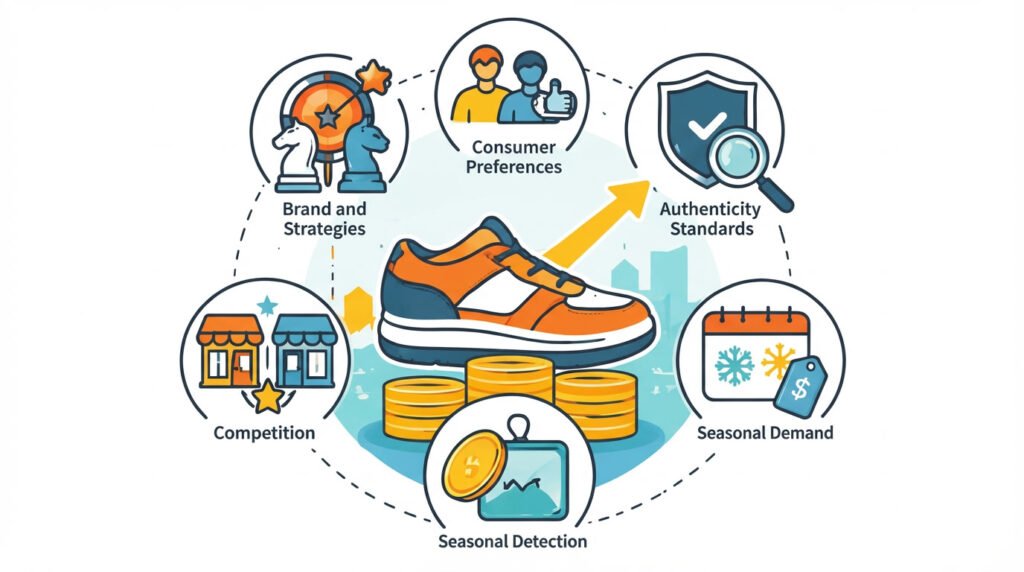
Key factors influencing profitability include:
- Brand release strategies and production volumes
- Consumer preference shifts toward comfort and sustainability
- Authentication requirements becoming standard across platforms
- Competition levels varying by shoe model and brand
- Seasonal demand fluctuations affecting pricing windows
The economics of sneaker collecting reveals that successful resellers understand cultural trends and community dynamics beyond simple buy-low-sell-high tactics. This knowledge separates profitable resellers from those who struggle to move inventory.
Finding Profitable Shoes to Resell
Sourcing inventory represents the foundation of learning how to resell shoes successfully. Your procurement strategy directly impacts profit margins, inventory turnover, and overall business sustainability.
Retail Sourcing Methods
Primary retail channels offer the most straightforward entry point for beginners. These include:
- Brand websites and apps during limited releases
- Physical retail stores with early access programs
- Outlet stores for discounted authentic inventory
- Department stores during clearance events
- Authorized dealers with exclusive releases
Building relationships with store employees can provide advance notice of incoming releases and restock dates. Many successful resellers maintain multiple retail accounts to increase their chances of securing limited editions.
Secondary Market Opportunities
The secondary market presents additional sourcing options, though margins may be tighter. Consider these approaches:
| Source Type | Pros | Cons | Best For |
|---|---|---|---|
| Estate sales | Below-market prices | Time-intensive | Vintage finds |
| Thrift stores | Low entry cost | Inconsistent inventory | High-volume hunters |
| Online marketplaces | Wide selection | Authentication risks | Experienced buyers |
| Trade groups | Community pricing | Network required | Long-term resellers |
Research tools have become essential for identifying profitable opportunities. Price tracking websites, market analytics platforms, and community forums provide data-driven insights into which models command premium prices.
Setting Up Your Resale Business Infrastructure
Professional infrastructure separates casual sellers from serious resellers who generate consistent income. Establishing proper systems from the beginning streamlines operations as your business scales.
Essential Business Components
Start with these foundational elements:
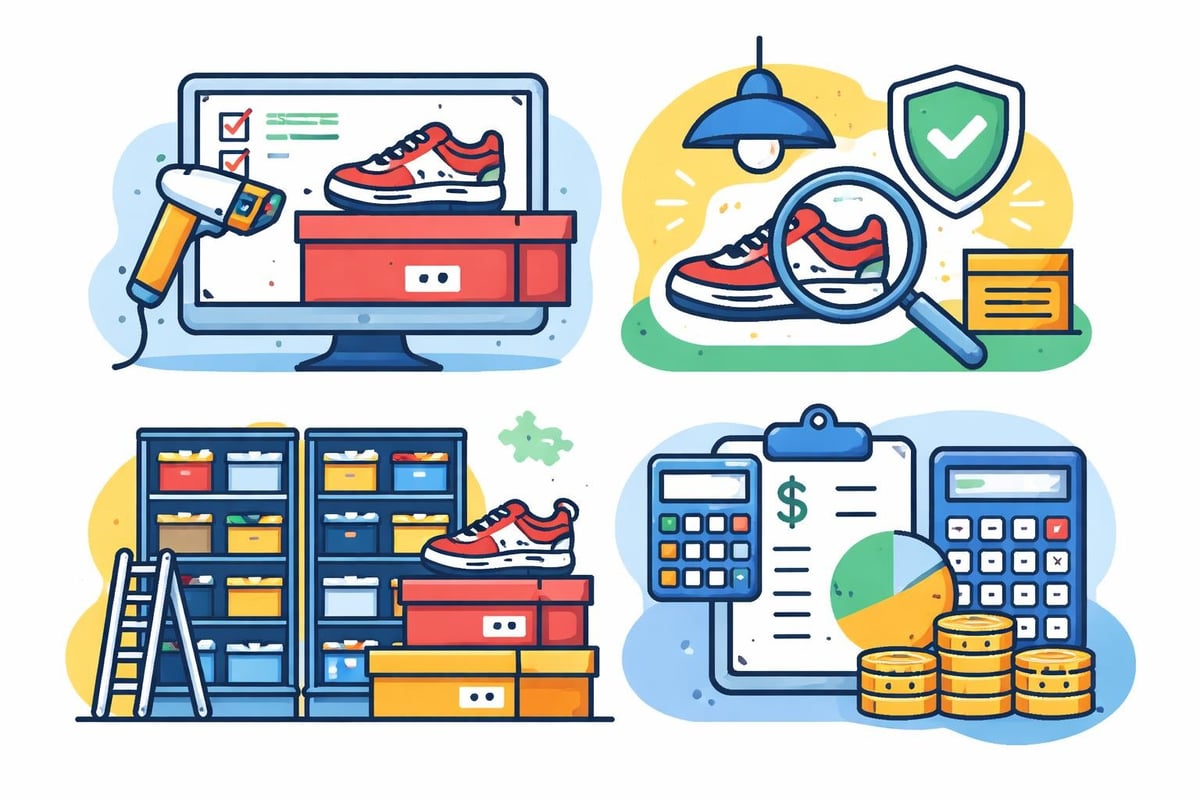
- Dedicated business banking account for financial tracking
- Inventory management system to monitor stock and costs
- Storage solutions that protect shoe condition
- Authentication knowledge to verify legitimacy
- Shipping supplies for safe package delivery
When exploring side hustles for beginners, shoe reselling offers relatively low barriers to entry compared to other e-commerce models. You can start with minimal inventory and scale based on performance.
Legal and Tax Considerations
Operating legally protects your business and maximizes profitability. Tax obligations for resellers include reporting all income and potentially collecting sales tax depending on your location and volume. Many resellers establish LLCs for liability protection once they reach significant revenue levels.
Maintain detailed records of:
- Purchase receipts with dates and amounts
- Selling prices and platform fees
- Shipping and packaging costs
- Marketing and promotion expenses
- Equipment and supply purchases
Platform selection significantly impacts your visibility, fees, and customer reach. Understanding how to resell shoes on different marketplaces allows you to optimize for various inventory types and profit targets.
Choosing the Right Resale Platforms
Major Resale Platforms Comparison
| Platform | Seller Fees | Authentication | Best For | Buyer Reach |
|---|---|---|---|---|
| StockX | 9.5-12% | Included | Limited releases | International |
| GOAT | 9.5-20% | Included | Premium sneakers | Premium buyers |
| eBay | 12.9% | Optional | Volume sales | General audience |
| Facebook Marketplace | 0% | Self-managed | Local sales | Local buyers |
| 0% | Self-managed | Brand building | Niche followers |
Platform fees directly reduce profit margins, making it essential to factor these costs into your pricing strategy. The comprehensive resale statistics show that successful resellers often use multiple platforms simultaneously to maximize exposure.
Platform-Specific Strategies
Each marketplace requires tailored approaches. StockX and GOAT work well for authenticating high-value sneakers and reaching serious collectors. Their built-in authentication services justify higher fees for expensive inventory.
eBay offers flexibility for both auction and fixed-price listings, making it suitable for testing price points and moving varied inventory. Facebook Marketplace and Instagram work best for local sales and building community relationships with repeat buyers.
Pricing Strategies for Maximum Profit
Strategic pricing balances profit maximization with inventory turnover. Understanding market dynamics and buyer psychology helps you price competitively while protecting margins.
Market-Based Pricing Approaches
Competitive analysis forms the foundation of effective pricing. Research completed sales rather than current listings, as listing prices often don’t reflect actual market value. Most platforms provide historical sales data showing price trends over time.
Consider these pricing factors:
- Size availability (popular sizes command premiums)
- Condition grade (deadstock vs. gently used)
- Market supply (number of available pairs)
- Seasonal timing (back-to-school, holidays)
- Brand momentum (current popularity trends)
Factors contributing to high resale prices include market speculation, influencer endorsements, and artificial scarcity. Monitoring these elements helps you identify pricing opportunities before market saturation occurs.
Dynamic Pricing Tactics
Successful resellers adjust prices based on market conditions. List new acquisitions at premium prices initially, then gradually reduce if inventory doesn’t move within your target timeframe. This approach captures maximum value from eager buyers while ensuring eventual sales.
Volume considerations matter when determining how to resell shoes profitably. Higher-volume resellers often accept smaller per-unit margins to maintain cash flow and inventory turnover. Lower-volume resellers can afford to wait for premium buyers willing to pay peak prices.
Authentication and Quality Assurance
Product authenticity represents the cornerstone of reputation and long-term success in shoe reselling. Selling counterfeit shoes damages credibility and can result in platform bans or legal consequences.
Authentication Best Practices
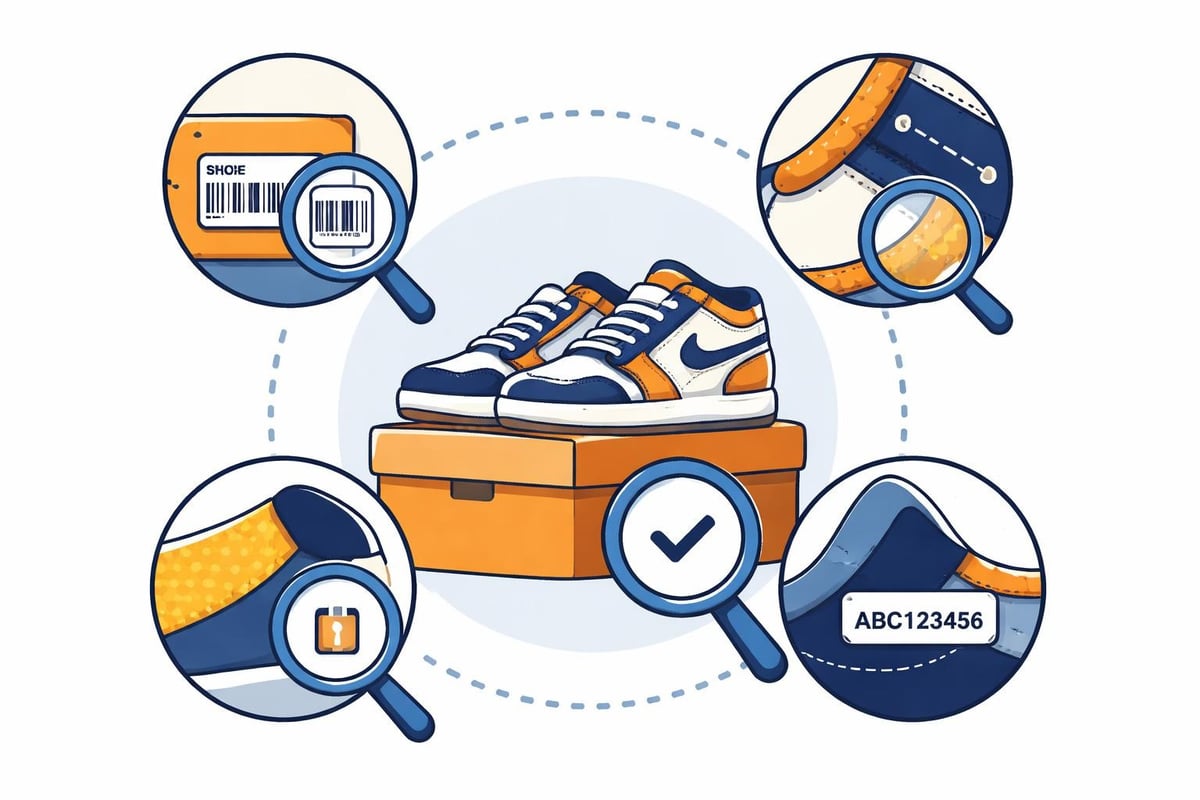
Develop expertise in identifying authentic shoes through these methods:
- Study authentic product details from official brand sources
- Examine construction quality and material consistency
- Verify box labels and production codes
- Compare weight and dimensions to known authentic pairs
- Use UV lights to check for security features
Third-party authentication services provide additional verification for high-value inventory. Services like Legit Check and CheckCheck offer professional authentication for a fee, adding credibility to your listings and justifying premium prices.
When sourcing from secondary markets, always authenticate before purchasing. The cost of a counterfeit purchase exceeds the small fee for professional verification. Many experienced resellers develop authentication skills over time, but professional services remain valuable for unfamiliar models.
Marketing Your Shoe Inventory
Effective marketing differentiates your inventory in a crowded marketplace. Strong product presentation and strategic promotion drive sales velocity and support premium pricing.
Photography and Listing Optimization
High-quality photography significantly impacts conversion rates. Invest in proper lighting and backgrounds to showcase shoes professionally. Include multiple angles:
- Profile view showing overall silhouette
- Top-down view displaying lace area
- Sole view confirming tread condition
- Close-ups of brand logos and details
- Box and accessories included
Write detailed, accurate descriptions that address buyer questions preemptively. Include size, condition, included accessories, and any notable features or flaws. Transparency builds trust and reduces return rates.
Building Your Brand Presence
As you learn how to resell shoes at scale, personal branding becomes increasingly valuable. Social media presence attracts direct buyers and reduces platform fee dependency. Share market insights, showcase new inventory, and engage with the sneaker community authentically.
Content strategies that perform well include:
- Unboxing videos of new releases
- Pricing guides for popular models
- Authentication tips and tutorials
- Market trend analysis and predictions
- Behind-the-scenes business operations
Similar to other online freelancing opportunities, building authority in your niche attracts customers and creates competitive advantages. Community engagement leads to repeat buyers and word-of-mouth referrals.
Inventory Management and Cash Flow
Strategic inventory management prevents capital from stagnating in slow-moving stock. Balancing acquisition timing with sales velocity optimizes profitability and business growth.
Inventory Acquisition Strategies
Capital allocation requires careful planning when learning how to resell shoes professionally. Avoid tying excessive capital in single high-value pairs that may sit unsold for months. Diversify across price points and release types.
Effective inventory mix includes:
- Quick flips (high demand, moderate margins, fast turnover)
- Medium holds (solid demand, good margins, 30-90 day sales)
- Long-term investments (limited supply, appreciating value, patient capital)
The future of shoe reselling suggests that successful resellers will need increasingly sophisticated inventory strategies as market competition intensifies. Data-driven decision-making separates profitable operations from struggling ventures.
Cash Flow Optimization
Maintain healthy cash flow by establishing clear inventory turnover targets. If shoes don’t sell within 90 days, consider price reductions or platform changes. Stagnant inventory represents opportunity cost and storage expenses.
Reinvestment strategies accelerate growth. Many successful resellers reinvest 60-70% of profits into new inventory while extracting 30-40% as personal income. This balance funds expansion while providing income benefits.
Scaling Your Shoe Resale Business
Growth requires systematization and strategic capacity expansion. Understanding how to resell shoes at volume demands operational efficiency and potentially additional resources.
Automation and Tools
Technology streamlines operations and improves decision-making. Consider these tools:
| Tool Category | Purpose | Investment Level |
|---|---|---|
| Bots | Secure limited releases | Medium-High |
| Analytics | Track market prices | Low-Medium |
| Inventory software | Manage stock levels | Low-Medium |
| Shipping automation | Print labels, track packages | Low |
| Accounting software | Financial tracking | Low-Medium |
Bot usage remains controversial in the sneaker community, but many professional resellers utilize automated purchasing tools to compete for limited releases. Research legal implications and platform policies before investing in bot services.
Expanding Revenue Streams
Diversification protects against market volatility and platform policy changes. Successful resellers often expand into:
- Consignment services for other collectors
- Cleaning and restoration of used shoes
- Educational products teaching resale strategies
- Bulk wholesale to smaller resellers
- International markets with pricing arbitrage
These additions create multiple income streams that stabilize revenue during market fluctuations. The AIDA-driven guide to dominating the market emphasizes building comprehensive business models rather than relying solely on direct resale.
Managing Customer Relations and Returns
Customer service quality directly impacts long-term success and repeat business rates. Professional communication and fair policies build reputation and reduce disputes.
Communication Best Practices
Respond to buyer inquiries promptly and professionally. Set clear expectations about shipping timelines, condition details, and return policies. Proactive communication prevents misunderstandings and negative feedback.
Handling disputes requires diplomacy and fairness. When issues arise, prioritize resolution over being right. The cost of refunding one sale typically exceeds the damage of negative reviews or platform penalties.
Return and Refund Policies
Establish clear policies that protect both parties. Most successful resellers accept returns for authenticity issues or significant condition discrepancies but not for sizing preferences on deadstock shoes. Document shoe condition thoroughly before shipping to provide evidence if disputes arise.
Platform policies often supersede personal preferences, so understand each marketplace’s buyer protection programs. Build these considerations into your pricing to account for occasional returns and refunds.
Staying Current with Market Trends
The shoe resale market evolves constantly, requiring ongoing education and adaptation. Profitability in 2025 and beyond depends on timing, research, and patience rather than simply buying every limited release.
Information Sources and Communities
Build knowledge through multiple channels:
- Industry news websites and blogs
- Sneaker subreddits and forums
- YouTube channels covering releases
- Twitter accounts tracking restocks
- Discord communities for real-time alerts
Networking with other resellers provides insights into successful strategies and emerging opportunities. While competitors guard specific sourcing methods, general market knowledge flows freely in established communities.
Brand strategies shift regularly, affecting release patterns and resale values. Nike, Adidas, and New Balance each employ different approaches to limited releases and general availability. Understanding these patterns helps predict which shoes will appreciate versus depreciate after release.
Adapting to Market Changes
Flexibility separates sustainable businesses from those that struggle when market conditions shift. The willingness to pivot inventory focus, adjust pricing strategies, or explore new platforms maintains profitability across market cycles.
Monitor your metrics consistently. Track profit margins by brand, platform, and acquisition source. This data reveals which strategies perform best for your specific operation, allowing you to double down on winners and eliminate underperformers.
For those exploring profitable side hustles, shoe reselling offers scalability that few other opportunities match. Starting with modest inventory teaches fundamentals, while successful operations can expand to six-figure annual revenues with proper systems and dedication.
Mastering how to resell shoes requires combining market knowledge, operational efficiency, and customer service excellence into a cohesive business strategy. The sneaker resale market continues offering substantial opportunities for those willing to invest time in learning market dynamics and building professional operations. Whether you’re seeking supplemental income or building a full-time venture, Side Hustle Hackers provides the resources, community support, and honest guidance you need to launch and scale your reselling business successfully.


