
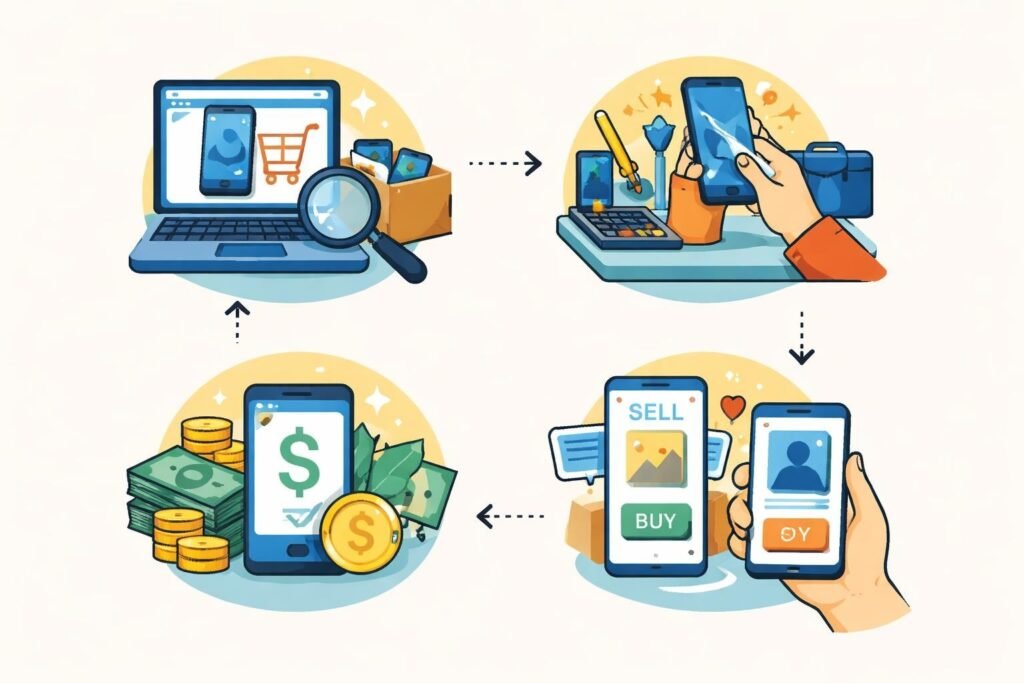
The resale market for smartphones has created a lucrative opportunity for entrepreneurs looking to generate extra income without massive upfront investment. Phone flipping involves purchasing used or discounted mobile devices and reselling them for profit, a business model that has grown significantly as consumers upgrade their devices more frequently. This side hustle combines elements of e-commerce, product knowledge, and market timing to create consistent revenue streams that can scale from a few hundred to several thousand dollars monthly.
Understanding the Phone Flipping Business Model
Phone flipping operates on a straightforward principle: buy low, sell high. The market inefficiencies in smartphone pricing create opportunities where informed resellers can capitalize on price differences across platforms, conditions, and timing.
The business requires minimal startup capital compared to other reselling ventures. You can begin with as little as $100 to $200 to purchase your first device, test the process, and learn the market dynamics. Many successful phone flippers started with a single device and reinvested their profits to scale operations gradually.
Market Dynamics Driving Profitability
Several factors contribute to the viability of phone flipping as a sustainable income source:
- Constant device upgrades: Consumers replace smartphones every 18-24 months on average
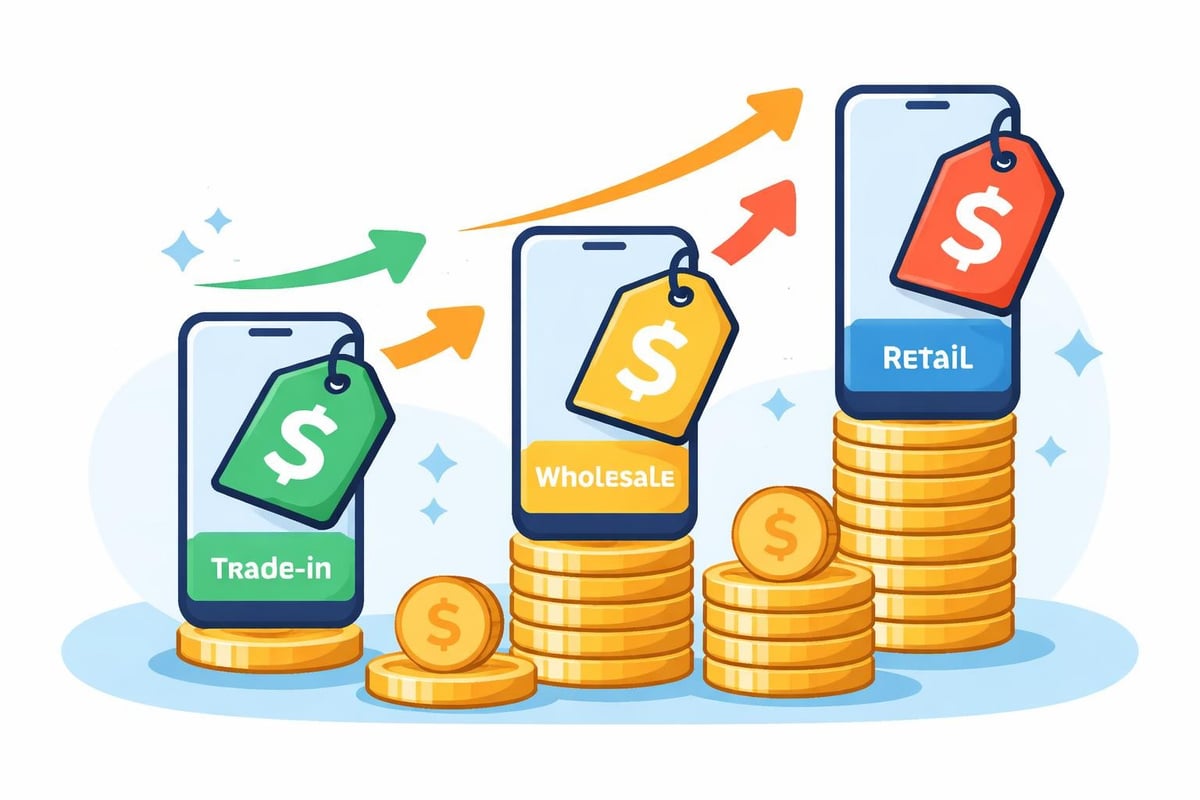
- Trade-in undervaluation: Carriers and manufacturers often offer below-market value for trade-ins
- Model-specific demand: Certain phones maintain higher resale values based on brand loyalty and features
- Seasonal pricing fluctuations: New releases create predictable price drops for previous generations
- Global market variations: Prices differ significantly across geographic regions and platforms
The smartphone resale market is projected to continue expanding through 2026 and beyond, driven by both economic factors and environmental consciousness. Consumers increasingly recognize the value proposition of certified pre-owned devices, creating a steady demand that supports phone flipping operations.
Sourcing Inventory for Maximum Profit Margins
Successful phone flipping begins with strategic sourcing. The acquisition cost directly determines your profit potential, making it critical to develop reliable channels for obtaining inventory below market value.
Primary Sourcing Channels
Local marketplaces offer the most accessible entry point for beginners. Facebook Marketplace, Craigslist, and OfferUp feature sellers who often price devices below their actual market value due to urgency, lack of knowledge, or preference for local cash transactions. These platforms enable you to inspect devices personally before purchase, reducing the risk of costly surprises.
Online auction sites like eBay provide volume opportunities but require more expertise. You'll compete with other resellers, but strategic bidding on lots, broken devices for parts, or listings with poor photos can yield significant discounts. Understanding how to identify authentic listings versus scams becomes essential when scaling through online channels.
Wholesale distributors become viable once you've established capital and expertise. Bulk purchasing from liquidation companies or certified refurbishment centers offers lower per-unit costs but requires larger upfront investment and storage capabilities.
| Sourcing Method | Average Margin | Capital Required | Skill Level | Best For |
|---|---|---|---|---|
| Local Marketplaces | 30-50% | $100-500 | Beginner | Testing and learning |
| Online Auctions | 40-60% | $500-2000 | Intermediate | Scaling operations |
| Wholesale Lots | 50-80% | $2000+ | Advanced | High-volume business |
| Trade-Ins Direct | 25-40% | $200-1000 | Beginner | Consistent inventory |
The best items to resell in 2026 often include flagship smartphones from the previous year, as they maintain strong demand while experiencing the steepest price reductions after new model releases.
Evaluating Device Condition and Authenticity
Developing expertise in assessment separates profitable flippers from those who struggle. Every purchase requires thorough evaluation across multiple criteria:
- Check IMEI numbers against blacklist databases to ensure devices aren't stolen or carrier-locked
- Test all hardware functions including cameras, buttons, speakers, and touchscreen responsiveness
- Examine battery health percentage, as replacement costs significantly impact profitability
- Verify water damage indicators and screen integrity for cracks or dead pixels
- Confirm the device can be reset and isn't iCloud or Google account locked
Learning to spot refurbished components or counterfeit devices protects your reputation and profit margins. Resources like Wesply’s learning platform provide valuable guidance on authentication techniques and quality assessment protocols that professional resellers use.
Pricing Strategies That Maximize Returns
Determining optimal pricing requires balancing competitive positioning with profit goals. The phone flipping market demands data-driven decisions rather than guesswork.
Market Research Methodology
Before listing any device, conduct comprehensive market research across multiple platforms. Check completed eBay sales for actual transaction prices rather than current listings. Monitor Facebook Marketplace and Swappa for comparable devices in similar condition. Track pricing on Gazelle, Decluttr, and BuyBackWorld to understand wholesale buyback rates.
Create a pricing spreadsheet that tracks:
- Your acquisition cost including any repairs or cleaning supplies
- Platform fees (eBay charges 12.9%, Facebook Marketplace is free, Mercari charges 10%)
- Shipping costs and insurance for online sales
- Estimated market value based on recent comparable sales
- Desired profit margin (typically 25-40% for sustainable operations)
The current flip phone market dynamics reveal interesting opportunities, as retro flip phones from Nokia and others are experiencing renewed demand among specific demographics, creating niche markets with less competition than flagship smartphones.
Dynamic Pricing Adjustments
Phone flipping success requires flexibility in pricing strategy. A device that doesn't sell within 7-10 days likely has a pricing issue rather than a demand problem.
Initial pricing should position your device in the middle tier of comparable listings. This approach attracts serious buyers while leaving negotiation room. After the first week, reduce prices by 5-10% if you haven't received quality inquiries. Continue weekly reductions until you find the sweet spot that generates offers.
Consider seasonal factors when pricing. Back-to-school periods (August-September) and holiday shopping seasons (November-December) typically support higher prices due to increased demand. January and February often see softer pricing as consumers recover from holiday spending.

Platform Selection and Listing Optimization
Where you sell matters as much as what you sell. Each platform attracts different buyer demographics, charges varying fees, and requires distinct listing approaches.
Platform Comparison
eBay remains the largest marketplace for electronics reselling, offering global reach and robust buyer protection programs. The auction format can drive prices higher for desirable models, while Buy It Now listings provide pricing certainty. However, fees are substantial, and buyer-friendly policies occasionally favor fraudulent claims.
Facebook Marketplace excels for local sales with zero fees, immediate cash transactions, and no shipping hassles. The lack of buyer protection means transactions carry slightly higher risk, but meeting in public locations and accepting cash mitigates most concerns.
Swappa specializes in tech devices with strict listing requirements that ensure quality, creating a marketplace of informed buyers willing to pay fair prices. Their moderation process eliminates scams and builds buyer confidence, though approval times can delay listings.
Creating High-Converting Listings
Professional-quality photos dramatically increase sale probability and selling price. Use natural lighting or a lightbox to capture clear images of the device from multiple angles. Include close-ups of any imperfections, screen displaying battery health, and original packaging if available.
Essential listing components:
- Detailed title with brand, model, storage capacity, carrier status, and condition
- Comprehensive description addressing common buyer questions proactively
- Honest condition disclosure to prevent returns and maintain seller reputation
- Clear return policy that protects you while building buyer confidence
- Competitive pricing backed by market research data
The importance of transparency cannot be overstated in phone flipping. Buyers appreciate honesty about minor scratches or battery health, and accurate descriptions reduce return rates while building positive feedback that enables premium pricing on future listings.
Risk Management and Legal Considerations
Phone flipping involves manageable risks when approached systematically. Understanding potential pitfalls and implementing protective measures ensures long-term sustainability.
Common Risks and Mitigation Strategies
Counterfeit devices represent a significant threat, particularly with popular models like iPhones and Samsung Galaxy devices. Always verify serial numbers through manufacturer websites, inspect build quality against authentic reference devices, and purchase from reputable sources when buying sight-unseen.
Stolen or blacklisted phones can result in complete loss if carriers block the IMEI. Use free IMEI checkers before every purchase, request receipts from sellers, and avoid deals that seem too good to be true.
Platform account suspensions occur when sellers violate terms of service or receive excessive negative feedback. Maintain excellent communication, ship promptly with tracking, describe items accurately, and respond professionally to issues. Building side hustle income streams across multiple platforms protects against single-platform dependency.
Tax Obligations and Record Keeping
Phone flipping generates taxable income requiring proper documentation. The IRS considers this business income once you exceed casual sale thresholds, typically around $600 annually through payment processors.
Maintain detailed records of:
- Purchase receipts with dates, amounts, and seller information
- Repair costs and supplies including cleaning materials and replacement parts
- Platform fees, shipping expenses, and payment processing charges
- Mileage for sourcing trips and local meetups
- Workspace expenses if operating from a dedicated home office
Consider using accounting software or spreadsheets designed for resellers to track inventory, expenses, and profits. These records become essential for tax filing and help identify your most profitable sourcing channels and device categories.
Scaling Your Phone Flipping Operation
Starting with individual device transactions builds skills and capital, but scaling operations multiplies income potential significantly. The transition from hobbyist to serious business requires systematic approaches to efficiency and growth.
Volume-Based Scaling Strategies
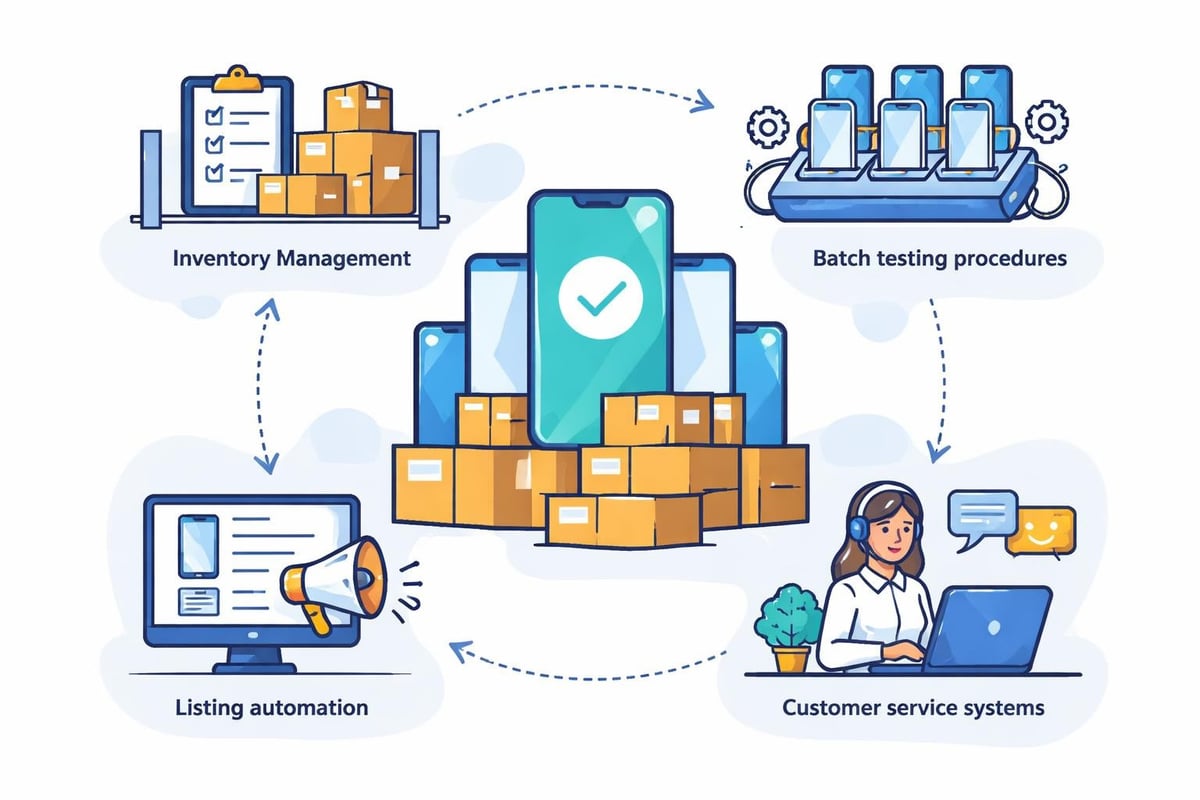
Batch processing transforms phone flipping from scattered individual sales into an efficient operation. Dedicate specific days to sourcing, others to testing and photography, and separate time for listing creation and customer communication. This focused approach reduces context-switching and improves productivity.
Specialization in specific brands or models develops expertise that accelerates evaluation and pricing decisions. Some flippers focus exclusively on iPhones, others on Samsung flagships, while niche operators target gaming phones or rugged devices. Depth of knowledge in a specific category often proves more profitable than broad but shallow market coverage.
Automation tools streamline repetitive tasks as volume increases. Listing software can populate templates with device-specific information, shipping label creators integrate with your selling platforms, and inventory management systems track devices through your pipeline. For those interested in similar side hustle opportunities, many principles transfer across product categories.
Building Relationships and Recurring Sources
Developing consistent sourcing relationships provides competitive advantages. Local phone repair shops often acquire trade-ins or damaged devices they cannot economically repair. Small businesses upgrading employee phones may prefer selling directly to a trusted buyer rather than dealing with corporate trade-in programs. College students represent a seasonal source as they upgrade devices during summer breaks.
Network within communities where your target inventory naturally occurs. Join local buy-sell-trade groups, attend estate sales and storage auctions, and connect with other resellers who might specialize in different product categories but occasionally acquire phones.
Emerging Trends and Future Opportunities
The phone flipping landscape continues evolving with technological advancement and shifting consumer preferences. Understanding emerging trends positions resellers to capitalize on new opportunities before markets become saturated.
The Foldable Phone Market
Foldable devices represent a growing segment with unique resale dynamics. Motorola’s dominance in the U.S. foldable market demonstrates consumer acceptance beyond early adopters, while Apple’s anticipated foldable iPhone could dramatically reshape market dynamics.
Early movers in foldable reselling face higher risks due to potential durability issues but enjoy less competition and wider margins. As the technology matures, foldables may become standard inventory categories for successful phone flippers.
Retro and Minimalist Device Revival
The resurgence of flip phones among Gen Z and Millennials creates opportunities in a completely different market segment. The digital detox movement drives demand for simple devices that reduce smartphone dependency while maintaining basic connectivity.
This niche market often overlooks traditional resale channels, creating arbitrage opportunities for informed flippers who understand both product sourcing and target audience preferences. Vintage Nokia, Motorola RAZR, and other iconic models command premium prices when in excellent condition with original packaging.
Sustainability and Certified Refurbishment
Environmental consciousness increasingly influences purchasing decisions, particularly among younger consumers. Positioning phone flipping as sustainable commerce rather than mere arbitrage resonates with this demographic and justifies premium pricing for properly refurbished devices.
Consider obtaining certifications or developing refurbishment processes that exceed basic cleaning and testing. Offering warranty periods, even brief 30-day coverage, differentiates your operation from casual sellers and builds customer loyalty that generates repeat business and referrals.
Tools and Resources for Phone Flippers
Successful operations leverage specialized tools that improve efficiency and decision-making. While starting simple remains advisable, strategic tool adoption accelerates growth and profitability.
Essential Hardware and Software
Testing equipment ensures accurate condition assessment. A USB-C and Lightning cable collection, battery health apps like AccuBattery or coconutBattery, and screen testing patterns help identify issues before purchase. Invest in a jeweler's loupe for inspecting ports and a UV light for detecting screen protectors versus actual screen damage.
Photography setup significantly impacts sale prices. A simple lightbox ($20-40) and smartphone with good camera capabilities produces professional results. Consider a tripod for consistent angles and basic photo editing software to enhance clarity without misrepresenting condition.
Pricing research tools like Terapeak for eBay data, PriceCharting for historical trends, and Keepa for tracking Amazon prices inform competitive positioning. Comprehensive buying guides help understand features that command premium prices in specific device categories.
Educational Resources and Communities
Continuous learning separates growing operations from stagnant ones. Online communities on Reddit, Facebook groups dedicated to phone flipping, and YouTube channels from experienced resellers provide ongoing education about market shifts, new sourcing channels, and operational improvements.
Those exploring phone flipping as part of a broader side hustle portfolio benefit from understanding how reselling principles apply across categories while maintaining focus on smartphone-specific market knowledge.
Operational Best Practices
Implementing professional standards from the beginning establishes habits that support scaling and prevent costly mistakes common among casual sellers.
Customer Service Excellence
Clear communication prevents disputes and builds reputation. Respond to inquiries within 2-4 hours during business hours, answer questions thoroughly with photos when helpful, and set realistic expectations about condition and shipping timelines.
Shipping procedures should prioritize device protection and tracking visibility. Use bubble mailers for basic protection, add cardboard reinforcement for premium devices, and always purchase shipping insurance for items valued over $200. Provide tracking numbers immediately and follow up to confirm delivery.
Return policies should balance buyer protection with seller interests. A 3-day return window for undisclosed issues provides reasonable protection while limiting return fraud. Clearly state that buyer's remorse returns require payment of return shipping and restocking fees.
Inventory Management Systems
Tracking systems become essential beyond 5-10 simultaneous listings. Simple spreadsheets work initially, but dedicated inventory software prevents overselling, tracks time-to-sale metrics, and identifies your most profitable device categories.
Key metrics to monitor include:
- Average profit per device by brand and model
- Days in inventory before sale
- Return and dispute rates by platform
- Sourcing channel profitability after all costs
- Seasonal demand patterns for different device categories
This data-driven approach transforms phone flipping from guesswork into a predictable business with identifiable improvement opportunities.
Phone flipping offers a flexible, scalable path to supplemental income with manageable startup costs and clear profit mechanisms. Whether you're testing the waters with a single device or building a serious reselling operation, the principles of strategic sourcing, accurate pricing, and professional selling standards create sustainable results. Side Hustle Hackers provides comprehensive guides, honest reviews, and community support to help you build profitable income streams that fit your schedule and financial goals.


