

Looking for a side hustle that doesn’t require you to clock in anywhere or learn complicated skills? What if I told you that empty corner of your garage or that spare bedroom collecting dust could actually be making you money right now? That’s exactly what Stache Storage is all about. It’s a peer-to-peer storage marketplace where everyday folks like you and me can rent out unused space to people who need somewhere to store their stuff. Think of it as the Airbnb of storage, and it’s one of those passive income opportunities that actually makes sense for anyone with a bit of extra space to spare.
What Exactly Is Stache Storage and How Does It Work
So here’s the deal with Stache Storage. It’s a platform that connects people who have extra space with people who desperately need somewhere to stash their belongings. We’re talking garages, basements, attics, spare rooms, closets, or even outdoor spaces like sheds or RV parking spots.
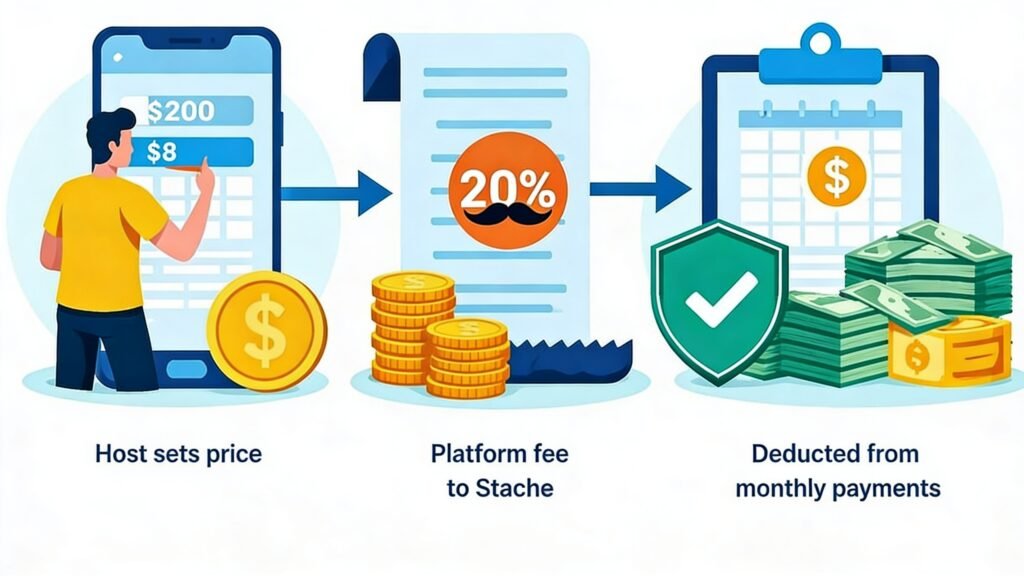
The official Stache platform works pretty simply. You create a listing for your available space, set your own pricing, and wait for renters to find you. Once someone books your space, they move their stuff in, and you collect monthly payments through the platform.
The Money Side of Things
Let’s talk numbers because that’s what really matters, right? Here’s what you need to know about earnings:
Average monthly income: $100-$400 depending on your location and space size
Platform fee: Stache typically takes 20% of your earnings
Payment schedule: Monthly payments deposited directly to your account
Pricing control: You set your own rates based on local market conditions
One thing that makes this different from traditional storage units is the flexibility. You’re not locked into long contracts, and you can adjust your pricing whenever you want based on demand.
Getting Started as a Stache Storage Host
Starting your Stache Storage side hustle isn’t complicated, but there are some important steps you’ll want to follow to set yourself up for success.
First, you need to evaluate what space you actually have available. Walk through your property and identify areas that aren’t being used efficiently. That corner of the garage where you keep things you never touch? Perfect. The basement room that’s become a dumping ground? Even better.
Setting Up Your Listing
Creating an attractive listing is crucial. Here’s your checklist:
Take quality photos of your space from multiple angles
Measure the dimensions accurately (renters need to know if their stuff will fit)
Write a detailed description including access hours, restrictions, and amenities
Set competitive pricing by researching similar listings in your area
Be upfront about limitations like climate control, security features, or access restrictions
The Stache FAQ covers a ton of common questions about what you can and can’t store. Spoiler alert: no hazardous materials, illegal items, or perishable goods. Makes sense.
Understanding Insurance and Protection
Here’s something that freaked me out at first but actually turned out to be pretty reassuring. Stache provides insurance coverage for stored items, which protects both you and your renters. According to the Stache Spaces FAQ, there are different insurance tiers available depending on the value of what’s being stored.
Coverage Type | Protection Level | Monthly Cost |
|---|---|---|
Basic | Up to $5,000 | Included |
Standard | Up to $10,000 | Small premium |
Premium | Up to $25,000 | Higher premium |
This insurance piece is important because it means you’re not personally liable if something happens to someone’s belongings (within reason, of course).
Maximizing Your Stache Storage Income
Okay, so you’ve got your listing up. Now how do you actually make good money with this thing? Let me share some strategies that successful hosts use.
Location matters more than you think. If you’re in a high-demand area like California, you’re already ahead of the game. Check out Stache’s California storage options to see how competitive the market is in different cities. Urban areas typically command higher prices than rural ones.
Pricing Strategies That Work
Don’t just throw out a random number and hope for the best. Here’s how to price strategically:
Research traditional storage unit prices in your area and price 20-30% lower
Offer introductory discounts for the first month to attract renters
Consider seasonal pricing (higher in summer when people move more)
Bundle services like 24/7 access or climate control for premium pricing
The key is finding that sweet spot where you’re competitive enough to attract renters but still making it worth your time. Remember, this is supposed to be a side hustle that actually makes money, not just busy work.
Creating Multiple Revenue Streams
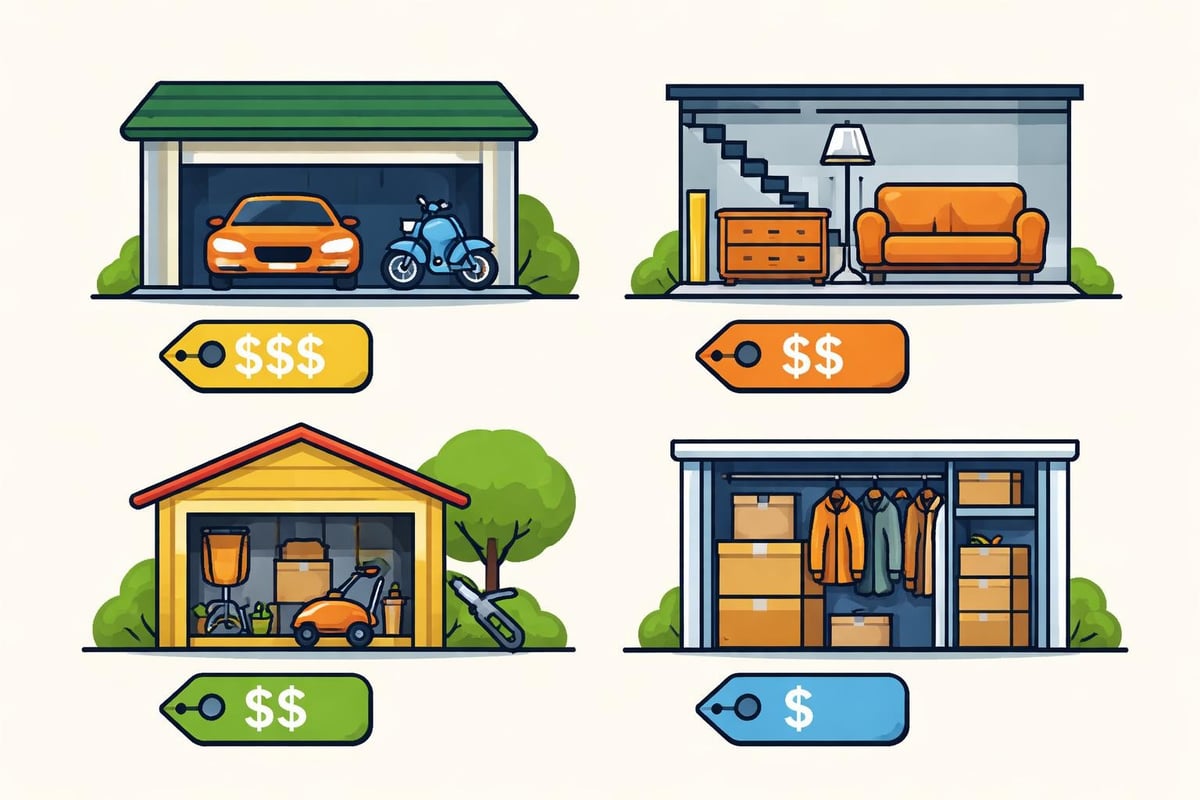
Here’s where it gets interesting. You don’t have to stop at just one storage space. If you’ve got multiple areas available, list them separately. Some hosts are renting out:
Their garage (vehicles or large items)
A basement room (boxes and furniture)
Outdoor shed space (tools and equipment)
Even closet space in spare bedrooms
Each listing is another income stream, and they all add up. I know someone who’s making almost $600 a month just from their garage and basement combined.
Real Talk: The Pros and Cons
Let’s be honest about what you’re getting into with Stache Storage. It’s not all sunshine and passive income.
The Good Stuff
Pros:
Genuinely passive once you get renters in place
Flexible schedule (no showing up anywhere)
You control who rents from you
Extra income from space you weren’t using anyway
No special skills or certifications required
Similar concept to other passive income ideas like home sharing
The Not-So-Great Parts
Cons:
Takes time to find quality renters
You’re allowing strangers to access your property
Potential liability issues despite insurance
May need to handle disputes or issues
Income isn’t guaranteed month to month
Platform fees cut into your earnings
According to a detailed review from Side Husl, the platform is legit but success really depends on your location and the quality of your space. It’s not a get-rich-quick scheme, but it can be a solid supplemental income source.
Managing Your Stache Storage Business
Once you’ve got renters, you need to actually manage the relationship. This isn’t a set-it-and-forget-it situation, even though it’s pretty close.
Communication Best Practices
Set clear expectations from day one. I recommend creating a simple welcome document that covers:
Access hours and procedures (key location, garage codes, etc.)
Prohibited items (be specific)
Payment due dates and late fee policies
Your preferred contact method for questions or issues
Move-out procedures when they’re ready to leave
Good communication prevents 90% of problems before they start.
Handling Common Issues
Let’s talk about what happens when things go wrong, because they eventually will.
Problem | Solution | Prevention |
|---|---|---|
Late payments | Platform handles collections | Screen renters carefully |
Unauthorized items | Document and request removal | Clear initial guidelines |
Access disputes | Provide written access times | Include in rental agreement |
Damage to space | Document with photos | Take before/after photos |
Most issues are minor and can be resolved with a quick conversation. The platform also has support to help mediate bigger disputes.
Comparing Stache Storage to Other Side Hustles
You might be wondering how this stacks up against other ways to make extra cash. Fair question. Let’s break it down.
Compared to active gigs like driving for Roadie or selling on OfferUp, Stache Storage requires way less ongoing effort. You’re not constantly hunting for gigs or dealing with customers.
On the flip side, it might take longer to start seeing income compared to something like TaskRabbit where you can get your first job within days.
Is It Worth Your Time?
Here’s my take: Stache Storage makes the most sense if you’re already looking for passive income streams and you have space that’s genuinely not being used. It’s perfect for complementing other side hustles because it doesn’t require daily attention.
If you’re just starting out with side hustles, this might not be your first move unless you’re sitting on a ton of empty space. But as part of a diversified income strategy? It’s solid.

Legal and Safety Considerations
Before you jump in headfirst, let’s talk about the boring but important stuff that could save you headaches down the road.
Zoning and HOA Rules
Not every property is allowed to be used for commercial storage. Check these before listing:
Local zoning laws (residential vs commercial use)
HOA restrictions if you live in a community with one
Rental agreement terms if you’re renting your home
Insurance policy to make sure you’re covered
I’ve heard stories of people getting slapped with fines because they didn’t check their HOA rules first. Don’t be that person.
Tax Implications
Yes, you need to report this income. The platform will send you a 1099 if you earn over $600 in a year. Some expenses you might be able to deduct:
Portion of property insurance related to the storage space
Utilities if you’re providing climate control
Platform fees
Improvements made specifically for storage purposes
I’m not a tax professional, so definitely talk to one about your specific situation. But yeah, Uncle Sam wants his cut.
Scaling Your Storage Business
Once you’ve got one successful Stache Storage listing going, you might start thinking bigger. And honestly, why not?
Some people treat this like a real business and actively look for additional properties they can use for storage. You could:
Partner with property owners who have unused space and split the income
Rent warehouse space specifically to sublet as storage
Manage multiple listings for other property owners (becoming a middle person)
Specialize in niche storage like RV parking or boat storage in the right markets
The Stache Storage model scales pretty well because each additional space is another passive income stream. It’s not like traditional jobs where more work just means more hours you have to put in.
Building Long-Term Relationships
Your best renters are the ones who stay for months or years. They’re reliable income with minimal turnover hassle. To keep good renters:
Be responsive when they have questions
Maintain the space in good condition
Don’t raise prices unreasonably
Address any issues promptly
Make access convenient and reliable
Happy renters refer other renters, and before you know it, you’ve got a waiting list.
Making the Most of Your Space
Not all storage spaces are created equal. Here’s how to optimize what you’ve got to maximize your stache storage earnings.
Climate control is gold. If you can offer temperature-controlled storage, you can charge significantly more. People storing electronics, documents, or sensitive items will pay premium rates for this.
Security features matter. Even basic things like good locks, motion-sensor lights, or security cameras make your space more attractive and justify higher pricing.
Accessibility wins. Ground-level access beats stairs. Drive-up access beats walking through your house. 24/7 access beats restricted hours. The more convenient you make it, the more you can charge.
Space Configuration Tips
Think about how renters actually use storage space:
Add shelving to help renters organize and maximize vertical space
Ensure adequate lighting so people can actually see what they’re storing
Keep the area clean and free of your personal items
Provide clear floor space for easy movement
Consider adding electrical outlets for items that need charging
Small improvements can lead to better reviews, which lead to more bookings and higher rates.
The Future of Peer-to-Peer Storage
The Stache Storage concept is part of a bigger trend toward the sharing economy. Just like people are renting out spare rooms through platforms similar to home sharing services, storage is becoming decentralized.
This market is still growing in 2026, which means there’s opportunity for early adopters in many cities. Traditional storage facilities are expensive and often located inconveniently. Peer-to-peer storage solves both problems by offering cheaper rates in residential neighborhoods.
As more people discover platforms like Stache, both as hosts and renters, the market will mature. That means more competition but also more legitimacy and better platform features to support hosts.
Final Thoughts on Getting Started
If you’ve read this far, you’re probably seriously considering giving Stache Storage a shot. Here’s my advice: start small and see how it goes.
List one space first. Learn the ropes. Figure out the time commitment and whether it’s worth it for you. You can always expand later if it works out.
Don’t expect to replace your day job with storage income, but as part of a broader strategy to build multiple income streams, it’s a solid option. It requires minimal ongoing work once you’re set up, and the income is about as passive as it gets while still being reliable.
The beauty of this side hustle is that you’re literally making money from space that was just sitting there doing nothing. Even if you only make $150 a month from your garage, that’s $1,800 a year for something that takes maybe an hour of work per month to manage.
Turning unused space into steady income through Stache Storage is just one of many ways to build financial flexibility in 2026. Whether you’re looking to supplement your income, save for a specific goal, or test out the world of passive earnings, peer-to-peer storage offers a legitimate path forward. Ready to explore more opportunities like this and find the side hustles that actually work for your situation? Side Hustle Hackers provides honest reviews, practical strategies, and real guidance to help you build sustainable income streams that fit your life, not the other way around.


